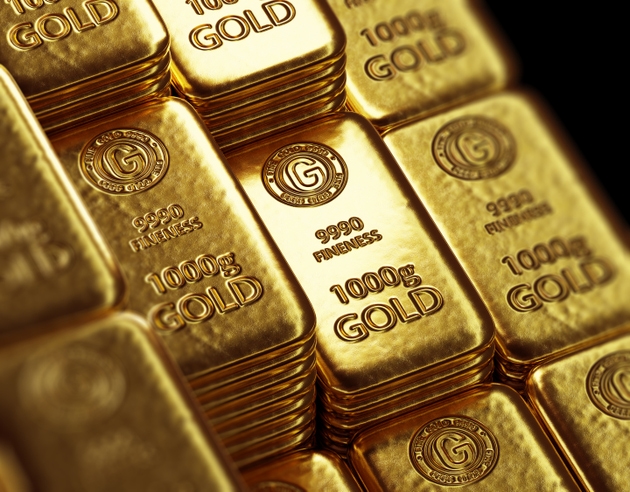
Gold and silver prices experienced a sharp decline as a strengthening U.S. dollar and rising Treasury yields created a challenging environment for non-yielding assets. The inverse relationship between the greenback and precious metals remains the primary driver of current price action, as investors reallocate capital toward higher-yielding debt instruments. This shift in sentiment has forced a technical correction in the metals complex, moving prices away from recent resistance levels.
Yield Dynamics and Currency Headwinds
The rally in U.S. Treasury yields acts as a direct headwind for gold, which lacks a coupon payment. As yields climb, the opportunity cost of holding bullion increases, prompting institutional outflows from gold-backed vehicles. This trend is amplified by the dollar's recent appreciation, which makes gold more expensive for holders of foreign currencies. The combination of these two factors has effectively capped upside momentum, leaving the market vulnerable to further liquidation if yield curves continue to steepen.
Geopolitical Uncertainty and Policy Outlook
Market focus is now shifting toward upcoming diplomatic developments and domestic policy shifts. Investors are monitoring U.S.-Iran talks closely, as any escalation or resolution in regional tensions typically influences safe-haven demand. Simultaneously, the confirmation hearing for Federal Reserve Chair nominee Kevin Warsh has become a focal point for market participants seeking clarity on future monetary policy trajectories. The potential for a change in leadership at the central bank introduces a layer of uncertainty regarding the pace of interest rate adjustments, which remains a critical variable for the gold market.
- Rising Treasury yields increase the opportunity cost of holding gold.
- A stronger U.S. dollar reduces the purchasing power of international buyers.
- Upcoming policy hearings and diplomatic talks serve as the next catalysts for volatility.
AlphaScala data currently reflects a cautious outlook for the sector, with the GLD stock page showing an Alpha Score of 28/100, categorized as Weak. This score highlights the current pressure on gold-related assets as they navigate a high-yield environment. For broader context on how these shifts impact the commodities analysis landscape, traders are evaluating whether the current dip represents a temporary consolidation or a deeper structural trend.
The next concrete marker for the market will be the outcome of the confirmation hearing and any subsequent policy signals from the Federal Reserve. These events will dictate whether the current downward pressure on precious metals persists or if a shift in the interest rate narrative provides a floor for prices. Investors should monitor the gold profile for updates on inventory levels and flow data as these geopolitical and economic variables resolve.