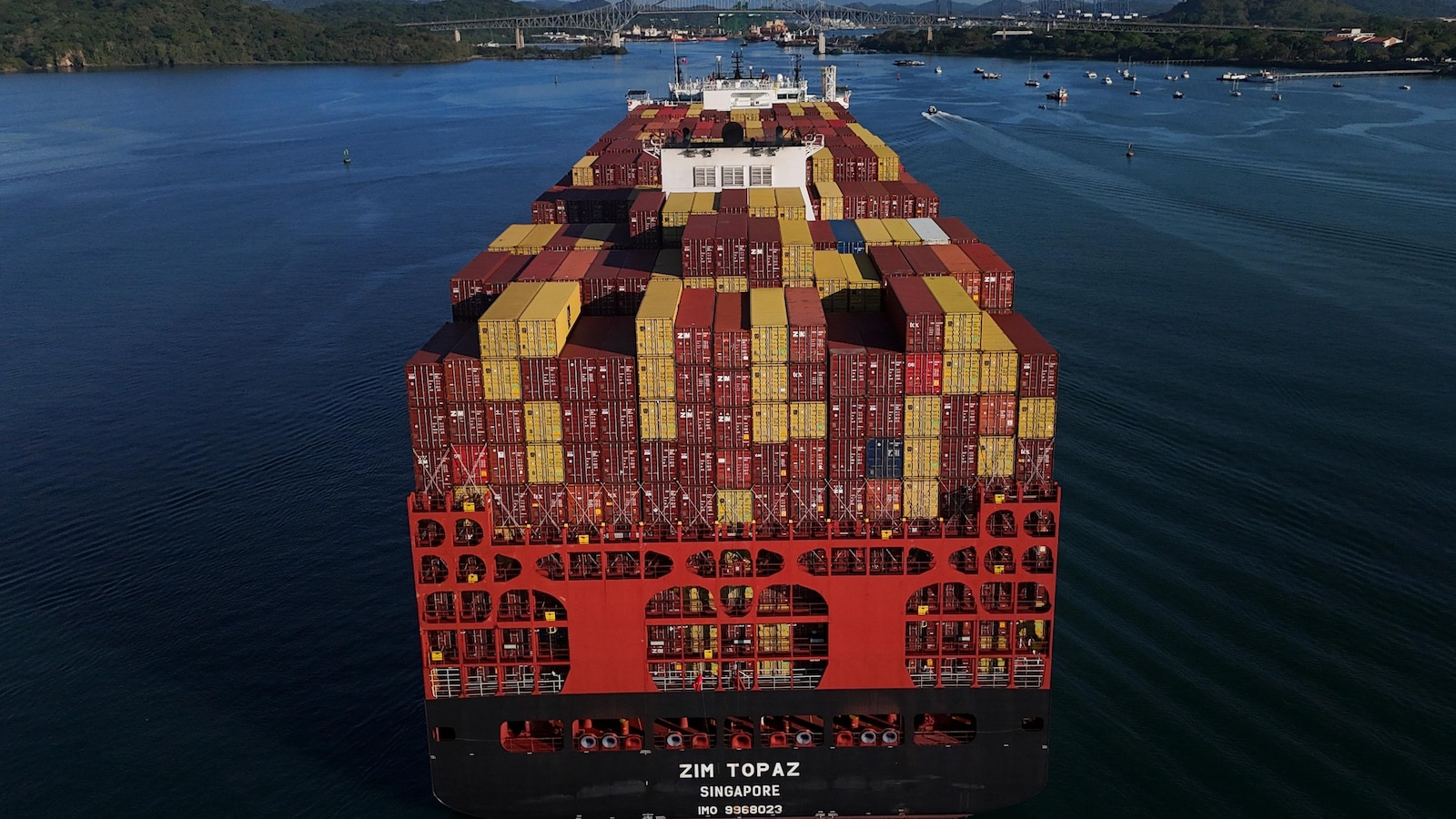
The emergence of transit premiums reaching $4 million per vessel signals a fundamental shift in how global supply chains are pricing risk. As instability in the Strait of Hormuz forces shipping operators to abandon traditional routes, the Panama Canal has transitioned from a standard logistics corridor into a high-cost tactical necessity. This reallocation of traffic is not merely a temporary detour but a structural change in how companies manage the cost of certainty in maritime transit.
The Economics of Transit Premiums
Shipping firms are absorbing these record-level fees to bypass the geopolitical volatility currently concentrated in the Middle East. By shifting vessels toward the Panama Canal, operators are effectively trading fuel costs and transit time for the security of a controlled waterway. This shift creates a bottleneck effect where the scarcity of transit slots allows for significant price appreciation. The willingness of businesses to pay these premiums suggests that the cost of potential cargo loss or extended delays in the Strait of Hormuz now exceeds the multi-million dollar expense of a canal passage.
This trend forces a re-evaluation of operating margins for companies reliant on global freight. When logistics costs spike by millions per transit, the impact cascades through the supply chain. Consumer cyclical firms, such as those tracked on the HAS stock page, must now account for these elevated freight expenses in their inventory planning and pricing strategies. The current environment favors companies with robust balance sheets capable of absorbing these sudden, non-recurring logistics shocks without immediate degradation to their core profitability.
Sector Read-Through and Logistics Volatility
The redirection of global trade flows highlights a broader vulnerability in just-in-time inventory models. When major chokepoints become unreliable, the entire network experiences a ripple effect that extends beyond the shipping sector. The following factors are currently driving this shift in logistics strategy:
- The rapid escalation of insurance premiums for vessels operating near the Strait of Hormuz.
- The prioritization of transit slots for high-value cargo that cannot afford the risk of regional conflict.
- The increased strain on Panama Canal infrastructure as it absorbs traffic diverted from traditional Suez and Hormuz routes.
This concentration of traffic toward the Panama Canal creates a new dependency. If the canal faces its own operational constraints, such as water level issues or maintenance backlogs, the lack of viable alternatives will further tighten global supply. Investors monitoring stock market analysis should note that the current premium pricing is a direct reflection of the lack of redundancy in global maritime infrastructure.
AlphaScala Data
Hasbro, Inc. (HAS) is currently classified as Unscored within the Consumer Cyclical sector. As logistics costs fluctuate, the company remains subject to the broader pressures of global freight pricing and supply chain reliability.
The next concrete marker for this narrative will be the release of quarterly logistics expenditure reports from major freight forwarders and retailers. These filings will clarify whether the $4 million transit premiums are being passed directly to consumers or if they are being absorbed by manufacturers. Any indication that these costs are becoming structural rather than transitory will necessitate a downward adjustment in margin expectations for companies with high exposure to trans-oceanic shipping.