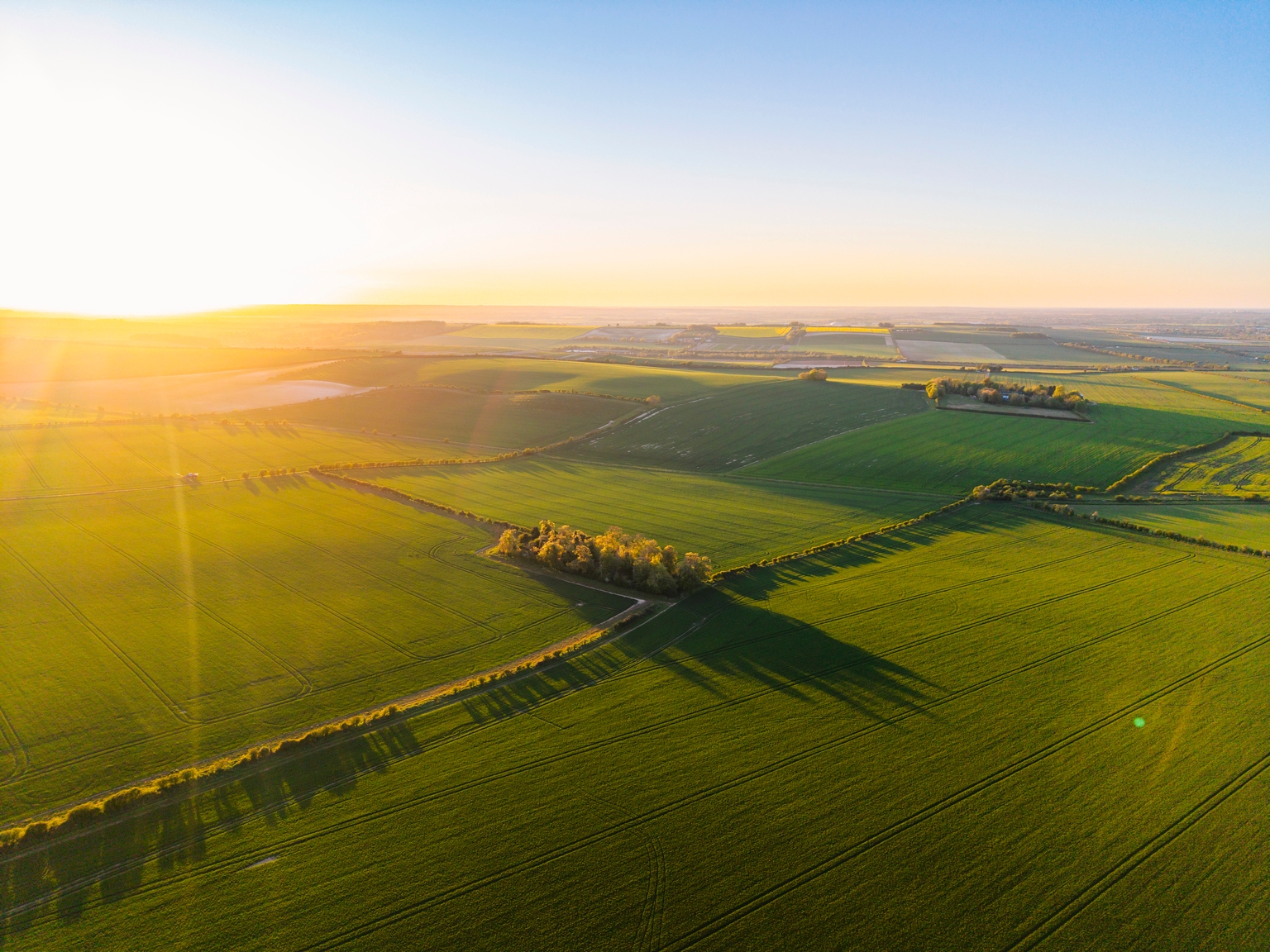
Gladstone Land's Q1 earnings show lease restructuring hitting the income statement. The rating upgrade on LAND signals how higher rates transmit through real-asset valuations and cash flows.
Gladstone Land reported Q1 earnings with lease restructuring now reaching the income statement. The market responded with a rating upgrade on LAND. The surface read is a single agricultural REIT beating expectations. The better read is a signal about how higher long-term interest rates transmit through real-asset valuations and operating cash flows.
Farmland REITs sit at the intersection of interest rate sensitivity and inflation pass-through. When the Federal Reserve holds rates higher for longer, cap rates on farmland compress only if net operating income grows fast enough to maintain spreads over risk-free yields. Gladstone Land's lease restructuring suggests the company is renegotiating terms with tenants to capture higher crop revenues. That is a direct transmission from commodity prices to lease revenue.
The naive take is that a single REIT can fix its own earnings via lease changes. The better market read is that agricultural land leases are often linked to crop price indexes or inflation benchmarks. If Gladstone Land can push through higher rents, it implies tenants expect commodity prices to stay elevated enough to absorb the increase. That makes the earnings upgrade a downstream read on inflation persistence.
Long-term treasury yields remain near multi-decade highs. For real asset owners, higher yields increase the discount on future cash flows more heavily, pressuring valuations unless cash flows accelerate. Gladstone Land's rating upgrade signals that the market sees lease income catching up to the yield move. The same mechanism applies across REIT sectors: industrial, retail, and residential landlords that can rewrite leases faster than their debt maturities will outperform those locked into longer-term contracts.
The transmission chain is straightforward: rates hold high, refinancing costs rise, landlords push rent increases, tenants pass costs to end consumers, and inflation prints stay sticky. Gladstone Land is one data point in that chain. It is a tangible one because the lease restructuring is already in earnings.
For real-time confirmation, watch Q2 earnings from other farmland and agricultural REITs. If multiple operators report similar lease tailwinds, the inflation persistence narrative gains weight. If they report tenant pushback or lease cancellations instead, the transmission breaks and valuation risk reappears. The Fed's next policy meeting will set the rate backdrop. The micro data from LAND already tells a story about how the economy adjusts to a higher-for-longer environment.
For more on how inflation prints drive sector rotation, see our earlier analysis of Portillo's PTLO: Inflation and Sales Slide Signal Real Economy Toll. Broader market context is available in our market analysis section.
Prepared with AlphaScala editorial tooling from the source reporting linked above. Indexable analysis may include a cited Alpha Score value. Publishing checks screen each story before release. Educational coverage, not personalized advice.