The Return of the Energy Risk Premium
The specter of conflict in the Middle East has once again sent shockwaves through global energy markets, forcing traders to recalibrate their inflation expectations and hedging strategies. As geopolitical tensions involving Iran intensify, the resulting volatility in crude oil prices is reviving the 'inflation trade'—a theme that had largely retreated to the background during the recent easing of global CPI prints.
Energy markets are notoriously sensitive to Iranian supply disruptions, given the nation’s pivotal role in the Strait of Hormuz. When oil prices spike, the ripple effect is immediate: transportation costs rise, supply chains tighten, and consumer sentiment dampens. For institutional and retail traders alike, the current environment serves as a stark reminder that energy-driven inflation remains a systemic risk to portfolio stability.
The Stablecoin Paradox
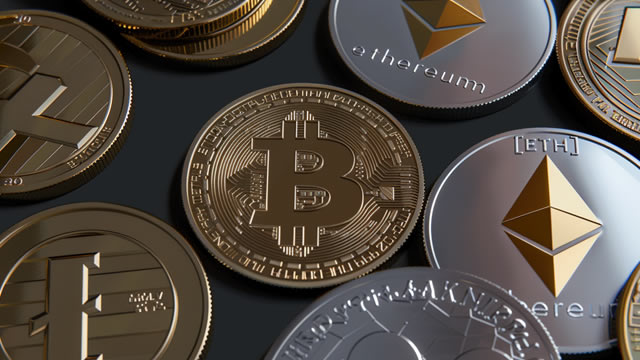
While traditional markets grapple with the inflationary impact of rising energy costs, the digital asset space has been busy solving the friction of cross-border payments. Stablecoins—pegged primarily to the U.S. dollar—have become a liquidity staple for crypto-native traders and an increasingly popular tool for international settlements. However, there is a fundamental disconnect: while these tokens facilitate movement, they do not preserve value.
Michael Ashton, a veteran strategist and the mind behind the USDi stablecoin, argues that the current stablecoin ecosystem is inherently flawed for those seeking a true store of value during periods of currency debasement and energy-linked inflation. "Stablecoins solved payments, but not purchasing power," Ashton notes. His project, USDi, attempts to bridge this gap by creating a token designed to maintain its real-world purchasing power, effectively acting as an on-chain inflation hedge.
Why Purchasing Power Matters for Traders
For the modern trader, the distinction between a dollar-pegged asset and a purchasing-power-pegged asset is critical. In a standard inflationary shock, a dollar-pegged stablecoin loses real value relative to the cost of a barrel of oil or a basket of essential goods. If energy prices continue to climb due to geopolitical instability, the 'stable' nature of current digital assets becomes a liability rather than an asset.
Ashton’s approach highlights a growing trend in decentralized finance: the shift from simple fiat-pegged assets to more sophisticated, inflation-indexed instruments. By targeting purchasing power, USDi aims to provide a shelter for capital that would otherwise be eroded by the very inflation that oil shocks tend to accelerate. For traders, this represents a potential evolution in how to manage liquidity during periods of macro turbulence.
Market Implications and Historical Context
History suggests that energy shocks are often the precursor to broader market volatility. From the 1970s oil crises to the 2022 energy spikes following the invasion of Ukraine, crude oil has consistently acted as a lead indicator for central bank hawkishness. If the current geopolitical situation persists, traders should expect renewed pressure on the Federal Reserve to maintain 'higher for longer' interest rates to combat energy-induced core inflation.
Investors are now forced to ask whether their current hedging tools are sufficient. Traditional hedges like TIPS (Treasury Inflation-Protected Securities) or gold are established, but they carry their own set of liquidity and accessibility hurdles. The emergence of purchasing-power-pegged stablecoins offers a novel, blockchain-based alternative that aligns with the speed of digital markets.
Looking Ahead: What to Watch
As the situation in the Middle East develops, the primary metric for traders will be the spread between headline and core inflation, as well as the volatility index (VIX) in oil futures. Any sustained breakout in Brent or WTI crude will likely force a reallocation of capital away from high-growth tech stocks and toward energy-sensitive hedges.
Whether instruments like USDi can gain institutional traction remains to be seen. However, the narrative is clear: the market is growing increasingly dissatisfied with assets that merely mimic the dollar’s volatility. In an era of geopolitical uncertainty and returning inflation, the demand for true purchasing-power preservation is likely to intensify.