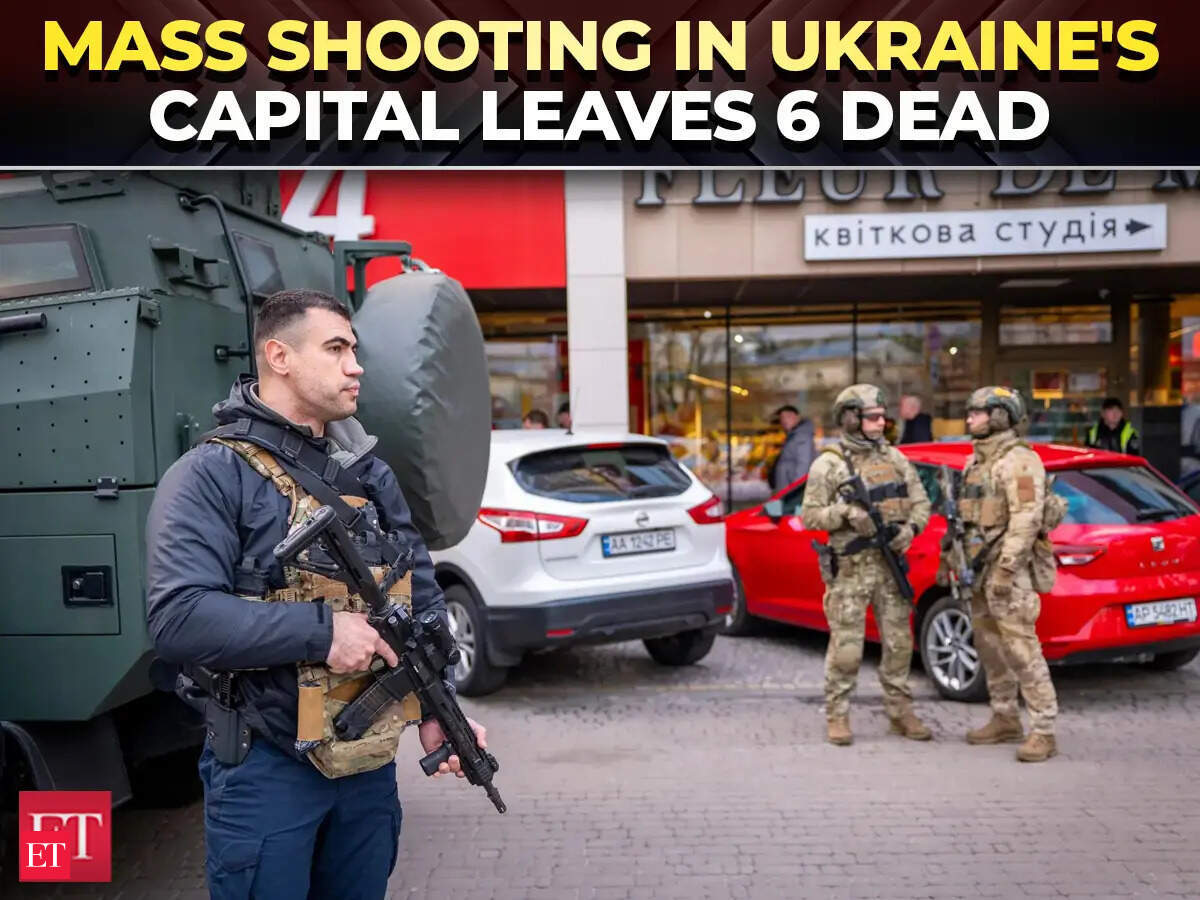
The weekend shooting incident in Kyiv’s Holosiivskyi district, which resulted in six fatalities and fourteen injuries, marks a sharp escalation in domestic security concerns within Ukraine. By classifying the event as a terrorist act, the Ukrainian government has signaled a shift in how it manages internal stability amidst the ongoing broader conflict. The attacker, a 58-year-old individual who barricaded himself in a supermarket before being neutralized by special forces, utilized a legally registered firearm, prompting immediate scrutiny of domestic security protocols and the availability of weaponry in a wartime environment.
Internal Stability and Economic Continuity
The immediate impact of such events is the disruption of local commerce and the hardening of security postures in urban centers. For businesses operating in the region, the incident necessitates a re-evaluation of operational risk, specifically regarding employee safety and supply chain continuity in high-density areas. While the conflict with Russia remains the primary driver of regional risk, domestic incidents of this nature introduce a secondary layer of volatility that complicates the business environment for both local firms and international entities maintaining a presence in the capital.
Sector Read-through and Regional Risk
Investors often look to the stability of local infrastructure and the reliability of essential services as indicators of a nation's ability to maintain economic function under duress. The fact that the incident occurred in a retail setting highlights the vulnerability of the service sector to localized security shocks. When assessing regional exposure, the focus often shifts toward the following factors:
- The efficacy of law enforcement response times in mitigating casualty counts.
- The potential for legislative changes regarding the regulation of civilian-owned firearms.
- The long-term impact of heightened security measures on consumer sentiment and foot traffic in urban retail hubs.
Market participants evaluating exposure to emerging markets must weigh these domestic security variables against broader macroeconomic trends. While the current situation in Ukraine is dominated by external geopolitical pressures, the ability of state institutions to manage internal threats remains a critical component of the overall risk profile. As seen in other volatile regions, the perception of internal safety is often a leading indicator for capital flight or the suspension of local operations.
AlphaScala data currently reflects a mixed outlook for various technology and healthcare firms, including ON Semiconductor Corporation with an Alpha Score of 40/100, Agilent Technologies at 55/100, and Fiserv Inc. at 48/100. These scores underscore the importance of maintaining a disciplined view of company-specific fundamentals even when broader stock market analysis is dominated by exogenous events. The next marker for this situation will be the official report from the Interior Ministry regarding the attacker's motives and any subsequent policy shifts regarding firearm registration and public safety protocols in Kyiv.