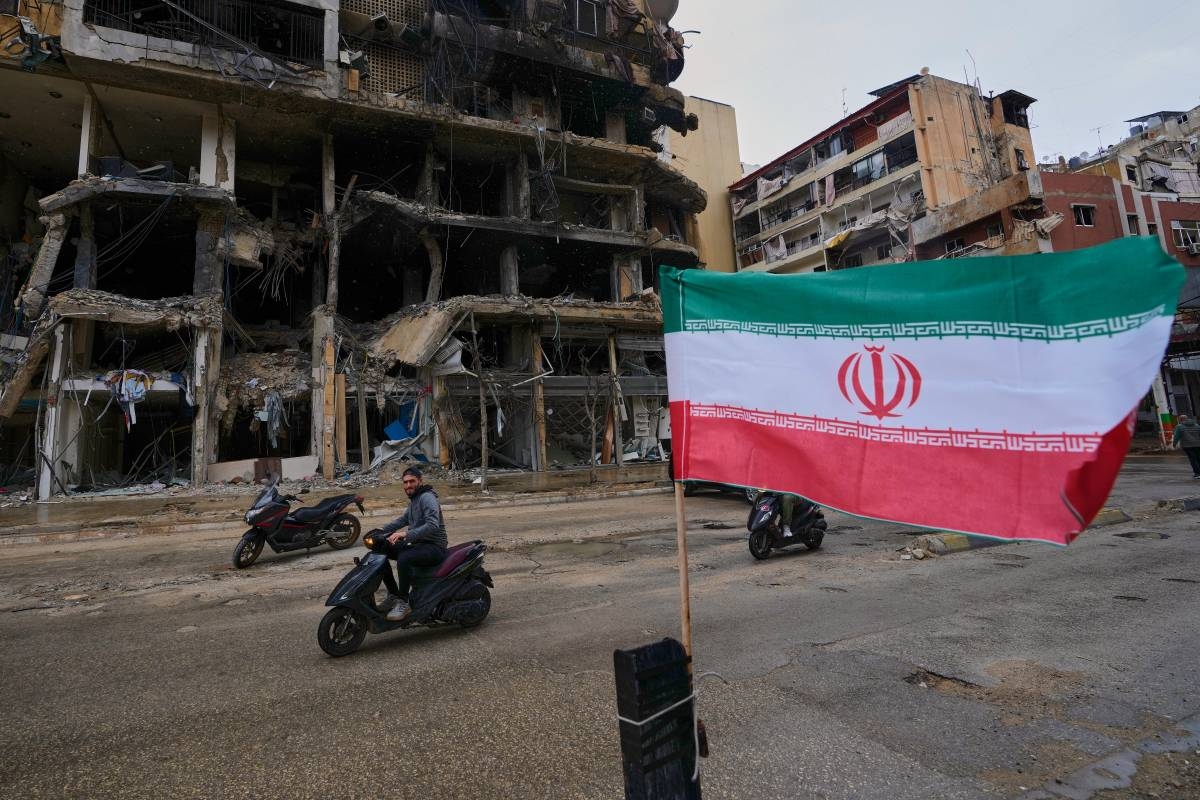
The current Middle East landscape remains defined by conditional ceasefires and persistent mutual threats, creating a precarious environment for regional stability. While recent claims of progress suggest a potential cooling of active hostilities, the underlying grievances that fueled the post-October 7 order remain largely unaddressed. This creates a scenario where the cessation of active combat is not synonymous with a durable peace, leaving the region susceptible to sudden escalations.
The Persistence of Structural Grievances
The narrative of progress in regional conflicts often overlooks the deep-seated structural issues that continue to drive volatility. Ceasefires in this context function as tactical pauses rather than comprehensive resolutions. Because the core grievances remain unresolved, the risk of a rapid return to active conflict is elevated. For global markets, this means that geopolitical risk premiums are unlikely to dissipate quickly, as the potential for a sudden breakdown in negotiations remains a constant factor in regional planning.
Impact on Energy Markets and Supply Chains
Regional instability directly influences energy markets and global supply chains, which are sensitive to any disruption in the Middle East. When conflicts reignite, the immediate reaction is typically a spike in volatility across energy-linked assets. The current state of affairs suggests that even if headlines emphasize progress, the actual operational reality for businesses in the region is one of high uncertainty. This uncertainty forces a defensive posture among firms that rely on regional stability for consistent logistics and resource procurement.
AlphaScala data currently tracks the broader consumer cyclical sector, where companies like Amer Sports, Inc. (AS) are monitored for their sensitivity to global macroeconomic shifts. AS currently holds an Alpha Score of 47/100, reflecting a Mixed outlook as the broader stock market analysis continues to weigh geopolitical risks against domestic growth factors. Investors should note that while specific companies may have limited direct exposure to the Middle East, the secondary effects on global shipping costs and energy prices remain significant variables.
The Next Marker for Regional Stability
The next concrete marker for this narrative will be the durability of existing ceasefire agreements during upcoming diplomatic cycles. Any failure to maintain these conditions will likely lead to a repricing of risk across energy and defense-related sectors. Market participants should monitor official communications regarding the extension or breach of these agreements, as these updates will serve as the primary indicator of whether the current period of relative calm is a genuine shift toward stability or merely a temporary lull in a long-term cycle of conflict. The interplay between these regional developments and broader market momentum will determine the direction of risk-on or risk-off sentiment in the coming weeks.