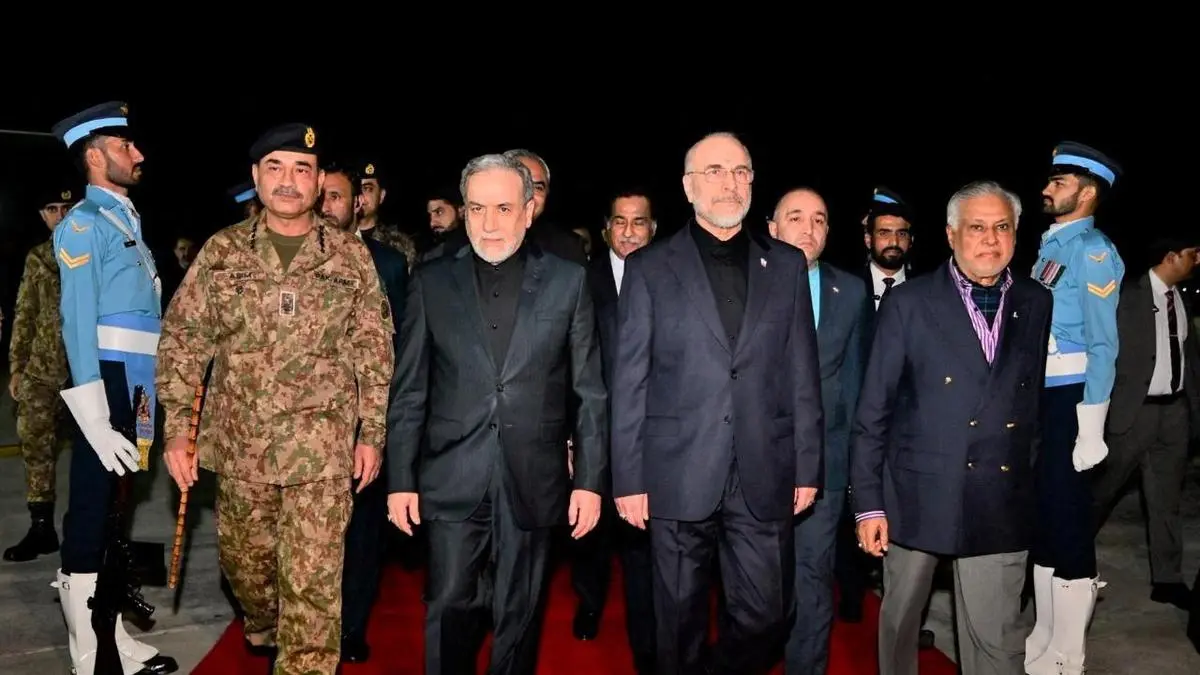
A Fragile Diplomatic Opening
The long-anticipated diplomatic engagement between the United States and Iran, scheduled to take place in Islamabad, has hit a significant roadblock before the first formal discussion could even commence. While the prospect of peace talks offered a glimmer of hope for de-escalation in the Middle East, the foundation of these negotiations appears increasingly precarious. Tehran has firmly linked its participation to two non-negotiable prerequisites: an immediate ceasefire in Lebanon and comprehensive relief from existing economic sanctions.
This rigid stance has cast a long shadow over the proceedings, leaving international observers and market participants questioning whether a meaningful path forward exists. The impasse highlights the deep-seated mistrust that continues to define the Washington-Tehran relationship, even as the regional security landscape grows more complex.
The Hurdles: Sanctions and Sovereignty
The Iranian demand for sanctions relief is a recurring theme in diplomatic discourse, but its timing is particularly sensitive. For years, the US policy of 'maximum pressure' has effectively isolated Iran’s economy, impacting everything from oil exports to international banking access. By leveraging the current regional volatility to demand a lifting of these measures, Tehran is testing the resolve of the Biden administration, which faces its own domestic pressures to maintain a hardline stance against Iranian influence.
Simultaneously, the demand for a ceasefire in Lebanon introduces a layer of complexity beyond bilateral US-Iran relations. It pulls in the myriad of regional proxies and the precarious internal politics of Lebanon itself. For the US, agreeing to these terms without a broader framework for regional security risks appearing as a capitulation, while rejecting them risks shutting the door on a critical diplomatic channel.
Market Implications: The Risk Premium
For global traders, the uncertainty surrounding these talks is a primary driver of volatility, particularly in the energy and safe-haven asset markets. The prospect of renewed conflict or the failure of diplomatic channels typically acts as a catalyst for a 'risk-off' sentiment, forcing capital into gold and US Treasuries while putting upward pressure on crude oil prices.
Energy markets are particularly sensitive to any news emanating from this Islamabad track. Even the hint of a potential breakthrough could lead to a rapid unwinding of the geopolitical risk premium currently baked into oil prices. Conversely, a definitive collapse of these talks could trigger a supply-shock rally, as traders recalibrate for potential escalations impacting the Strait of Hormuz or other critical maritime chokepoints.
The Path Forward: What Traders Should Watch
As the situation in Islamabad remains fluid, market participants should prioritize tracking three key indicators:
- Official State Department Briefings: Any shift in the US position regarding the linking of sanctions to regional ceasefire agreements will be the primary signal for market sentiment.
- Regional Escalation Metrics: Watch for reports of increased military activity in Southern Lebanon or the Persian Gulf. An uptick in kinetic activity will almost certainly signal the death of the current diplomatic initiative.
- Diplomatic Backchannels: While the official talks are stalled, monitor for reports of 'Track II' diplomacy or secret negotiations, which often provide the real barometer for whether a deal is being constructed behind the scenes.
Ultimately, the Islamabad talks serve as a microcosm of the broader geopolitical stalemate. Whether this serves as a genuine opening for de-escalation or merely a theater for continued posturing remains to be seen. For now, volatility remains the only certainty.