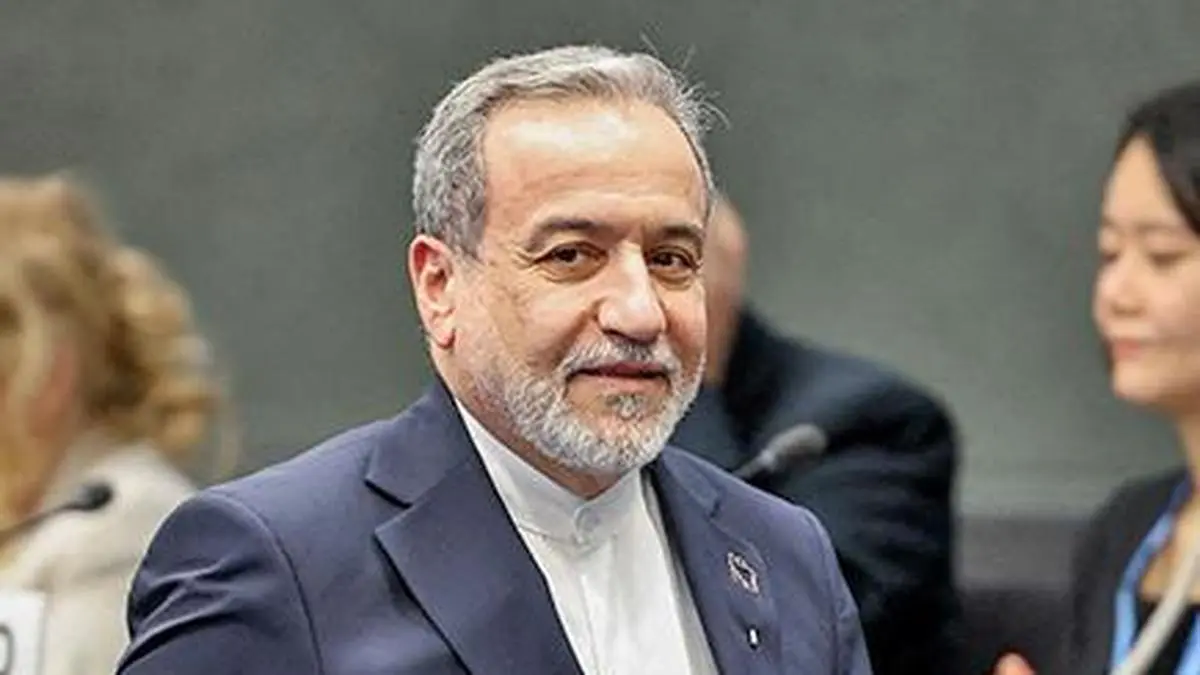
The Iranian government has formally ruled out direct negotiations with the United States during Foreign Minister Abbas Araghchi’s diplomatic visit to Pakistan. This stance reinforces a period of diplomatic rigidity that continues to influence regional stability and energy market sentiment. By positioning Islamabad as a potential intermediary, Tehran is signaling a preference for back-channel communication rather than a shift toward direct engagement with Washington.
Diplomatic Constraints and Regional Stability
The rejection of direct talks underscores the persistent friction between the two nations. For regional observers, the reliance on third-party mediation suggests that current tensions remain too high for a breakthrough in bilateral relations. Pakistan’s involvement as a mediator reflects a broader effort to contain the fallout from recent escalations, yet the lack of direct contact limits the scope for immediate policy shifts or security guarantees.
This diplomatic impasse carries weight for industrial sectors sensitive to Middle Eastern supply chain disruptions. Companies operating within the energy and logistics space often look to these high-level diplomatic visits as indicators of potential relief in regional transit corridors. The current refusal to engage directly suggests that the status quo of heightened risk will persist for the near term.
Industrial Exposure and Market Sensitivity
Market participants often monitor these geopolitical developments to gauge the stability of global industrial operations. Firms with significant exposure to the Middle East, such as those in the broader industrials sector, remain sensitive to any signal of de-escalation. The current diplomatic landscape provides little clarity for long-term capital allocation in these regions.
AlphaScala data currently reflects a varied outlook for industrial entities. AMETEK INC holds an Alpha Score of 60/100 with a Moderate label, while Bloom Energy Corp maintains an Alpha Score of 46/100 with a Mixed label. These scores highlight the divergence in how industrial firms are currently positioned to navigate macroeconomic and geopolitical volatility. Further analysis of these sectors can be found on the AME stock page and the BE stock page.
The Path to Diplomatic Re-engagement
The next concrete marker for this narrative will be the outcome of the mediated discussions in Islamabad. If Pakistan successfully facilitates a communication channel that leads to even minor technical agreements, it may provide a temporary floor for regional tension. Conversely, if the mediation fails to produce tangible results, the focus will likely shift toward further regional security alignments and potential shifts in global stock market analysis. The inability to establish direct contact remains the primary barrier to any meaningful change in the current geopolitical risk premium.