Macro● Neutral
Iran Leadership Vacuum: Market Risks After Trump-Brokered Truce
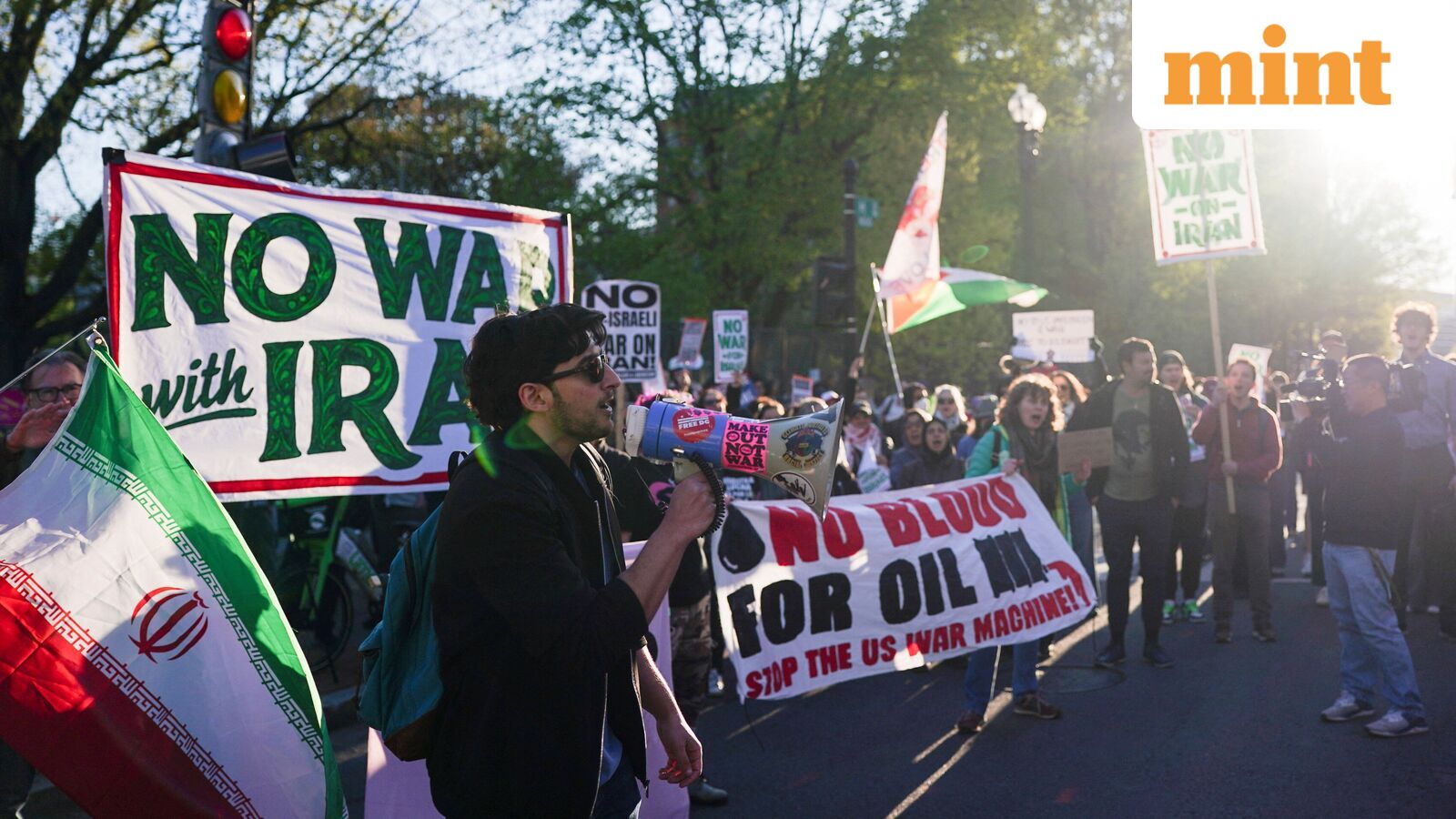
The death of Iran’s Supreme Leader creates a volatile black swan for CL and XAU/USD. Investors must now weigh the ceasefire against regional instability.
Continue with
A Sudden Shift in the Geopolitical Landscape
In a development that has sent shockwaves through global financial markets, a rapid escalation of hostilities in West Asia has reached a critical inflection point. Following a series of coordinated military operations conducted by the United States and Israel, the conflict—which saw strikes launched against high-value targets across Iran—has culminated in a declared ceasefire brokered by President-elect Donald Trump.
The military campaign, which targeted a strategic government compound in Tehran alongside key military infrastructure, has fundamentally altered the regional security architecture. Most significantly, the operation resulted in the deaths of Iran’s Supreme Leader, Ayatollah Ali Khamenei, and several high-ranking figures within the nation’s military and intelligence apparatus. This unprecedented decapitation of the Iranian leadership structure has left the geopolitical landscape of the Middle East in a state of profound uncertainty.
The Strategic Impact of the Strikes
The intensity of the military response marks a departure from the measured escalations typically seen in the region. By striking the heart of Tehran’s government infrastructure, the U.S.-Israeli coalition aimed to neutralize the command-and-control capabilities that have guided Iranian regional policy for decades. For market analysts, the removal of top-tier military and intelligence leadership introduces a "black swan" variable that complicates long-term risk assessment for assets tied to the region.
Historically, conflicts in this sector have served as immediate catalysts for volatility in energy markets and safe-haven assets. The swiftness of this particular operation, however, has been punctuated by the sudden announcement of a ceasefire, a development attributed to the diplomatic intervention of Donald Trump. While the immediate threat of kinetic engagement has diminished, the vacuum created by the loss of the Iranian leadership hierarchy suggests that the path to regional stability remains fragile.