Back to Markets
Macro● Neutral

Geopolitical Risk Premiums Rise: India-UAE Diplomatic Ties Strengthen Amid Middle East Volatility

April 12, 2026 at 04:26 AMBy AlphaScalaSource: livemint.com
Geopolitical Risk Premiums Rise: India-UAE Diplomatic Ties Strengthen Amid Middle East Volatility
CL

External Affairs Minister S. Jaishankar has prioritized the safety of the Indian diaspora in the UAE following the collapse of US-Iran diplomatic talks, highlighting rising geopolitical risks in the Gulf.

Strategic Alignment in a Fragile Region

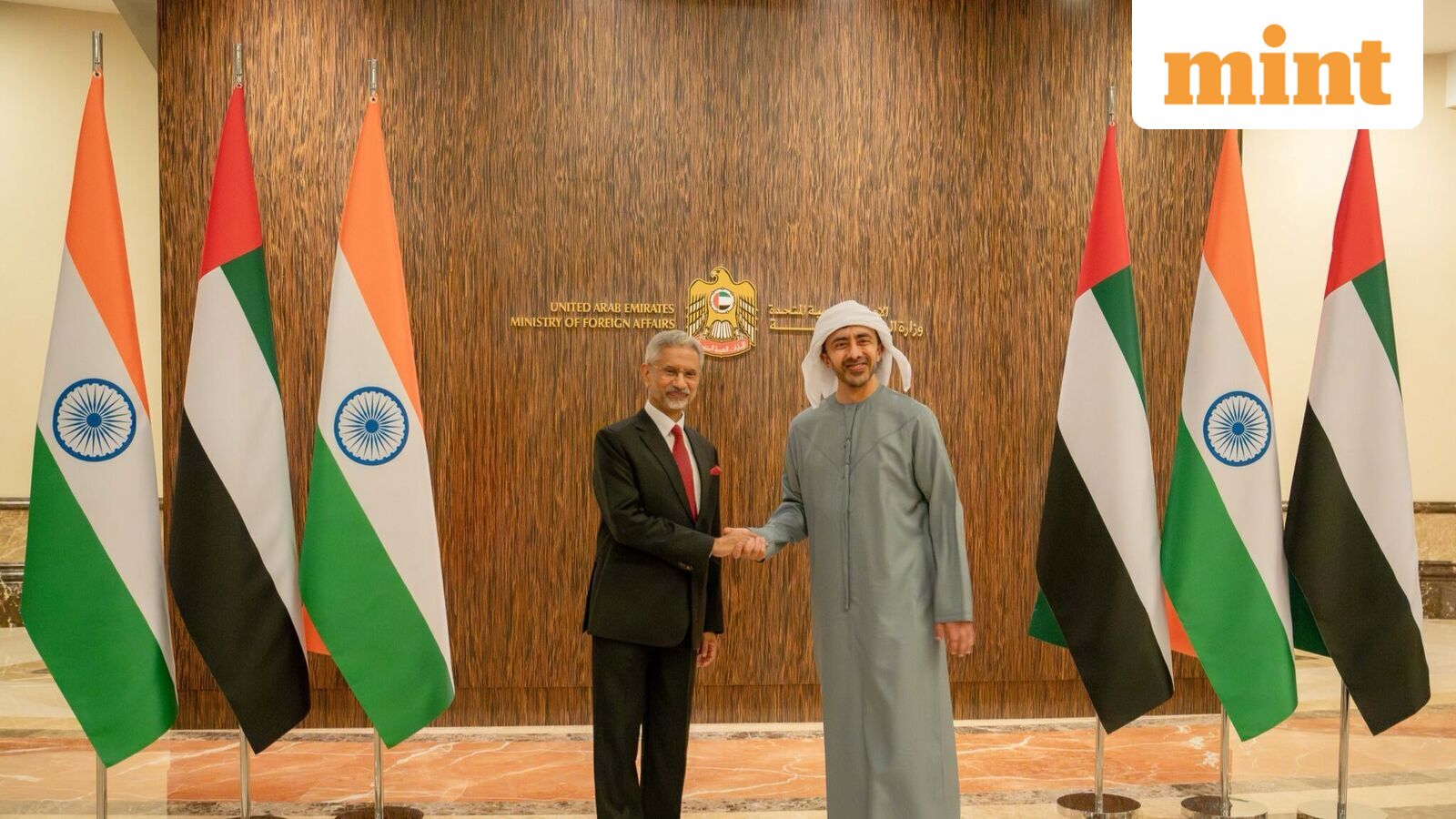
External Affairs Minister S. Jaishankar’s recent diplomatic mission to the United Arab Emirates has underscored the growing importance of bilateral security cooperation as regional instability in the Middle East reaches a critical inflection point. During his visit this Saturday, Jaishankar engaged directly with the Indian diaspora, a community exceeding 3.5 million people in the UAE, to address concerns regarding their safety and security.

The discussions come against a backdrop of deteriorating security in the Gulf, characterized by persistent drone and missile strikes attributed to Iranian-backed proxies. For institutional investors and regional analysts, the visit serves as a timely reminder of the human capital exposure India faces in the Gulf Cooperation Council (GCC) states and the systemic risk that a broader regional conflict poses to the global energy supply chain.

The Failure of Back-Channel Diplomacy

The urgency of Jaishankar’s outreach was heightened by the recent breakdown in critical communication channels between Washington and Tehran. Despite months of tentative efforts to mitigate tensions through indirect negotiations, the collapse of these talks has left a vacuum in regional security coordination. The resulting uncertainty has increased the risk premium for assets tied to the Middle East, as market participants grapple with the potential for further escalatory actions.

New Delhi has consistently framed its Middle East policy as a balancing act—maintaining robust energy and trade partnerships with Gulf nations while navigating the complex geopolitical friction between the United States and Iran. By formally thanking the UAE leadership for their commitment to the well-being of Indian nationals, Jaishankar is signaling that India views its diaspora’s security as a primary pillar of its regional diplomatic engagement.

Market Implications: Navigating Geopolitical Risk

For traders and macro strategists, the Middle East remains a primary source of volatility. The recurring nature of drone and missile attacks into UAE territory—a key logistics and financial hub—creates localized disruptions that can rapidly spill over into broader energy markets. When diplomatic efforts fail to contain these threats, the immediate market reaction is typically a flight to quality, often benefiting gold and the U.S. dollar, while pressuring regional equity indices and energy-dependent currencies.

Furthermore, the Indian government’s proactive stance highlights the necessity for multinational corporations operating in the Gulf to re-evaluate their contingency planning. As the region becomes increasingly polarized, the ability of host nations like the UAE to guarantee the safety of expatriate workforces becomes a key metric for long-term foreign direct investment (FDI) stability.

Forward-Looking Perspectives

Looking ahead, market participants should closely monitor the rhetoric emerging from the upcoming G20 and regional security summits. The failure of US-Iran talks is likely to push Gulf nations toward a more self-reliant security posture, potentially altering the regional power dynamic.

For institutional desks, the key variable remains the duration and intensity of the current security vacuum. Should the frequency of drone and missile incursions escalate, expect increased volatility in crude oil futures and potential re-allocations of capital away from the Gulf region toward more stable emerging markets. Investors should also watch for any secondary sanctions or policy shifts from Washington that could further complicate the trade environment, as the intersection of energy security and geopolitical stability remains the most significant risk factor for the remainder of the fiscal year.