Geopolitical Risk Premium Recedes as Israel, Lebanon Agree to 10-Day Ceasefire

Israel and Lebanon have agreed to a 10-day ceasefire, with the incoming U.S. administration establishing a high-level task force to oversee the implementation process.
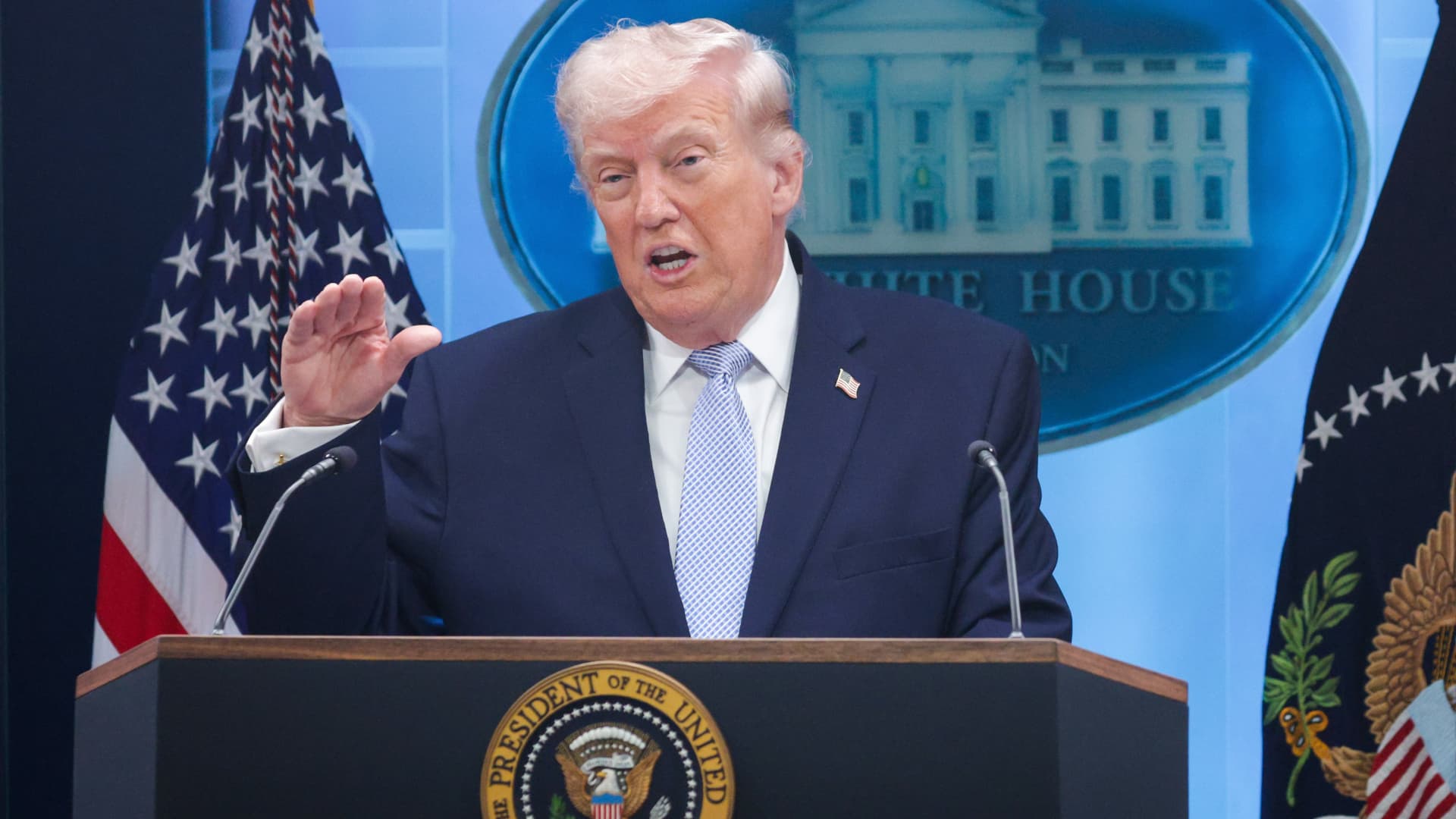
Israel and Lebanon have reached an agreement on a 10-day ceasefire, according to statements from the incoming administration. President-elect Donald Trump confirmed the development, noting that a high-level task force will manage the transition and enforcement phase.
The Diplomatic Framework
The administration has tapped Vice President-elect JD Vance and Secretary of State-designate Marco Rubio to coordinate the implementation of this agreement. They will work alongside Joint Chiefs Chairman Dan Caine to liaise directly with Israeli and Lebanese officials. The structure of this task force suggests an intent to centralize foreign policy oversight during the initial stages of the truce.
For traders, the primary focus is the immediate reduction in regional volatility. Markets have been pricing in a persistent risk premium across energy and safe-haven assets throughout the recent escalations. A 10-day window provides a cooling-off period, though the short duration leaves the market sensitive to any breach of terms.
Market Implications and Asset Sensitivity
Geopolitical de-escalation typically triggers a rapid unwinding of long positions in defensive assets. If the ceasefire holds, expect the following shifts:
- Crude Oil (CL): A reduction in supply-chain anxiety usually puts downward pressure on front-month futures as the market strips out the "war premium."
- Safe-Havens: Assets like the gold profile often see profit-taking as investors rotate back into higher-beta equities.
- Regional FX: Currencies sensitive to Middle Eastern instability, particularly those pegged or correlated to regional volatility, may see a stabilization in spreads.
Traders should monitor the SPX and IXIC for signs of risk-on sentiment returning to the broader market. When geopolitical headlines dominate, algorithmic trading desks often overreact; a 10-day pause allows for a more rational repricing of energy-dependent sectors and global logistics chains.
What to Watch
Markets will look for confirmation that the 10-day window is being used for substantive negotiations rather than just military repositioning. Any signal from the Vance-Rubio team regarding the extension of this truce beyond the initial 10 days will be the next major catalyst for price action. Watch for spikes in volume if news breaks regarding the specific enforcement mechanisms on the ground.
If the ceasefire holds, expect a shift in focus back to domestic economic data and central bank policy, as the immediate threat of regional supply disruption fades.
AI-drafted from named primary sources (exchange feeds, SEC filings, named news wires) and reviewed against AlphaScala editorial standards. Every price, earnings figure, and quote traces to a specific source.