Macro● Neutral
Trump NATO Troop Withdrawal Threat Risks Global Market Stability
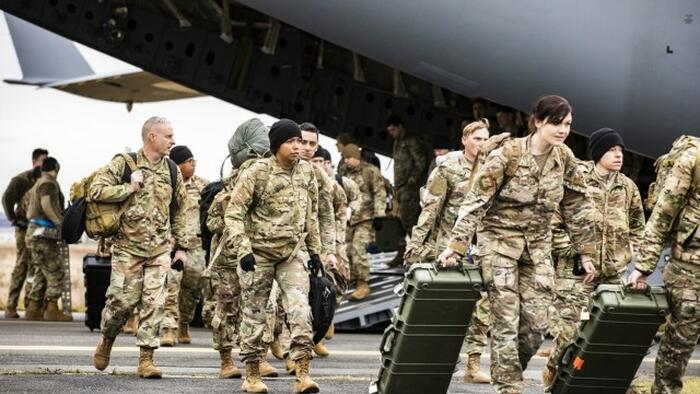
Linking U.S. military presence to Iran policy shifts, the potential drawdown threatens European security and triggers a flight to safe-haven assets like XAU/USD.
Continue with
A Shift in Transatlantic Defense Strategy
In a move that threatens to fundamentally alter the architecture of Western security, reports indicate that former President Donald Trump is actively weighing the withdrawal of U.S. troops from NATO member states that fail to provide adequate support for his administration’s hardline stance on Iran. The potential policy pivot signals a return to the 'America First' doctrine, which prioritizes immediate national interests and bilateral leverage over the traditional, multilateral security framework that has defined the post-WWII era.
For market participants, the prospect of a fractured NATO represents a high-impact geopolitical risk. The alliance has long served as the bedrock of global stability; any signaling that the United States might condition its military footprint on specific foreign policy alignment—particularly regarding the Middle East—introduces a new layer of volatility into European sovereign debt and defense equities.
The Leverage Play: Iran as the Catalyst
At the heart of this deliberation is the perceived lack of support from European allies regarding the U.S. approach to Tehran. The Trump administration’s previous efforts to isolate Iran through 'maximum pressure' campaigns were often met with skepticism or non-compliance by major European powers, who preferred to uphold the Joint Comprehensive Plan of Action (JCPOA). By linking the physical presence of U.S. soldiers in Europe to support for Iran-related policies, the former President is effectively transforming the NATO Article 5 commitment into a transactional arrangement.
This strategy mirrors past rhetoric where the U.S. demanded that NATO members meet the 2% of GDP threshold for defense spending. However, this new iteration goes beyond fiscal contributions, demanding ideological and strategic convergence on Middle Eastern energy and security policy. For traders, this creates a complex scenario: while a reduction in U.S. troop presence could lead to a 'peace dividend' in the short term, the long-term impact on the stability of the Eurozone and the geopolitical leverage of the European Union remains a significant concern.