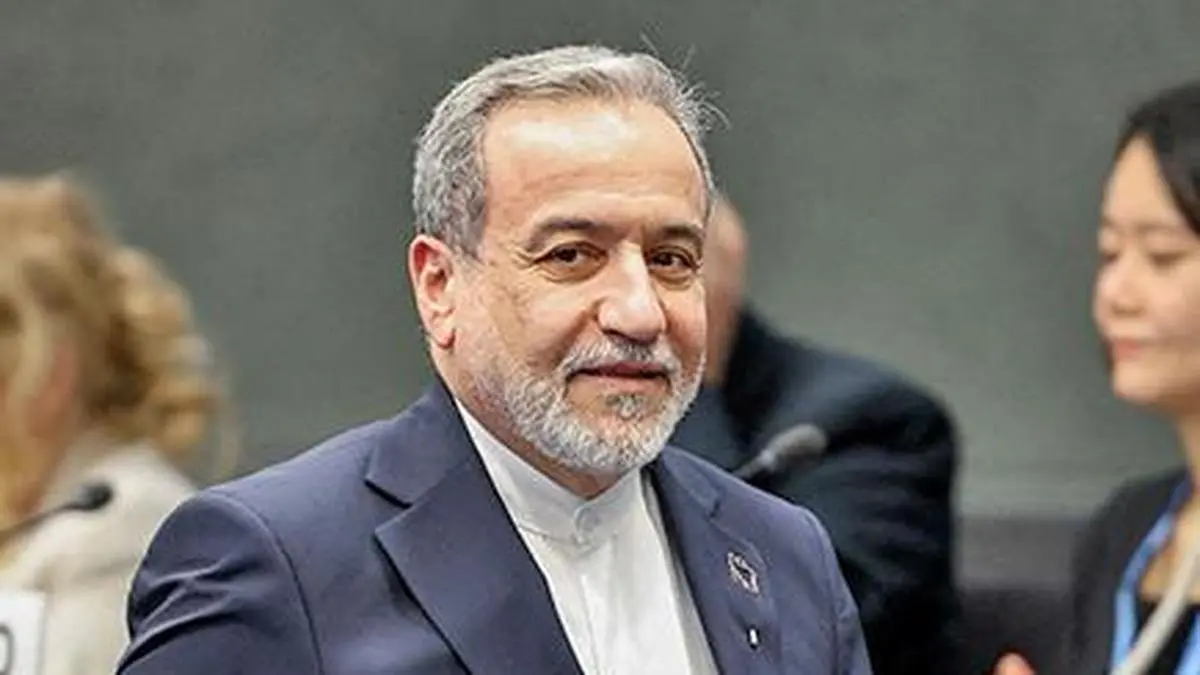
Geopolitical Realignment: Iran-Pakistan Diplomatic Channels and Regional Energy Security

Iranian Foreign Minister Abbas Araghchi's successful visit to Islamabad signals a potential shift in regional energy and diplomatic cooperation, forcing a re-evaluation of geopolitical risk premiums.
Alpha Score of 45 reflects weak overall profile with strong momentum, poor value, poor quality, weak sentiment.
Alpha Score of 47 reflects weak overall profile with moderate momentum, poor value, moderate quality. Based on 3 of 4 signals — score is capped at 90 until remaining data ingests.
HASBRO, INC. currently screens as unscored on AlphaScala's scoring model.
Alpha Score of 57 reflects moderate overall profile with poor momentum, strong value, strong quality, moderate sentiment.
Iranian Foreign Minister Abbas Araghchi has characterized his recent diplomatic mission to Islamabad as a success, marking a shift in regional engagement strategies. The discussions centered on the state of US-Iran negotiations and the broader framework for regional cooperation between Tehran and Islamabad. This diplomatic outreach suggests a concerted effort by Iran to stabilize its immediate periphery while navigating ongoing international sanctions and external pressure.
Strategic Implications for Regional Energy Corridors
For investors monitoring the energy sector, the dialogue between Iran and Pakistan carries significant weight regarding long-stalled infrastructure projects. The potential for renewed cooperation on cross-border energy initiatives remains a primary variable for regional stability. Any movement toward finalizing energy agreements would necessitate a shift in how regional risk is priced, particularly for infrastructure-heavy industries operating in South Asia and the Middle East. The current diplomatic thaw serves as a prerequisite for any meaningful advancement in these capital-intensive projects.
Navigating Sanctions and Diplomatic Friction
The focus on US-Iran negotiations during these consultations highlights the persistent constraints imposed by international sanctions on regional trade. By engaging Islamabad, Tehran is attempting to leverage its neighbor as a diplomatic conduit to manage external pressures. This maneuver is part of a broader trend where nations under heavy sanctions seek to solidify bilateral ties to mitigate the impact of isolation. The success of this strategy depends on Pakistan's ability to balance its relationship with Iran against its existing security and economic commitments to Western partners.
AlphaScala data currently reflects a broader environment of uncertainty for industrial and cyclical sectors. For instance, ON stock page holds an Alpha Score of 45/100, while AS stock page sits at 47/100, both reflecting a mixed outlook as global supply chains remain sensitive to geopolitical shifts. These scores underscore the difficulty in isolating company performance from the macro-level volatility that often follows regional diplomatic realignments.
The Path to Concrete Policy Shifts
The immediate marker for the efficacy of these consultations will be the follow-up meetings between technical delegations from both countries. Observers should monitor for announcements regarding specific trade protocols or the resumption of dormant energy pipeline discussions. Any formalization of these talks into actionable policy will serve as the primary indicator that the current diplomatic momentum is moving beyond rhetoric. Until such agreements are codified, the regional narrative remains in a state of flux, with the potential for sudden shifts in stock market analysis as geopolitical risk premiums adjust to the evolving situation. The next phase of this engagement will likely involve a series of closed-door sessions aimed at defining the practical limits of this renewed cooperation.
AI-drafted from named sources and checked against AlphaScala publishing rules before release. Direct quotes must match source text, low-information tables are removed, and thinner or higher-risk stories can be held for manual review.