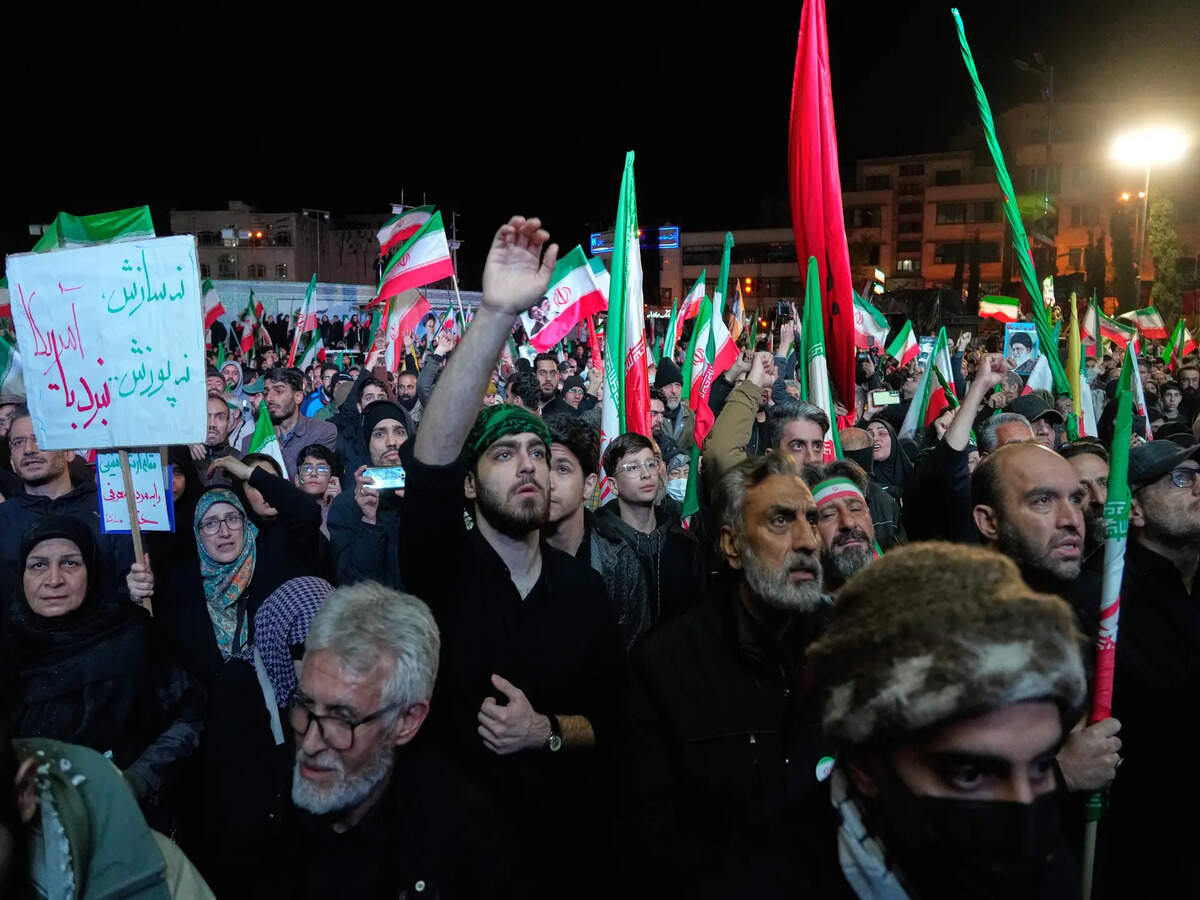
The demand from Iran’s UN envoy for credible guarantees against future military actions by the United States and Israel has introduced a new layer of friction to regional stability. By framing the current naval presence in the Gulf as a form of piracy and defending control over the Strait of Hormuz, Tehran has signaled a hardening of its diplomatic posture. This rhetoric shifts the focus from localized skirmishes to a broader challenge regarding the security of international maritime trade routes.
Strategic Chokepoints and Energy Logistics
The Strait of Hormuz remains a critical artery for global energy supplies. Any escalation in rhetoric regarding the control of this passage directly impacts the risk premium associated with energy-intensive industrial sectors. Companies that rely on consistent energy pricing and stable supply chains are particularly sensitive to these developments. For firms like Bloom Energy, which operates within the industrial sector, the volatility in energy security narratives often complicates long-term capital expenditure planning. You can view the current standing of this firm at the BE stock page.
Sectoral Exposure to Regional Instability
Beyond the immediate energy sector, the broader markets are evaluating how diplomatic stalemates influence global trade alignment. When regional powers challenge the status quo in maritime corridors, the ripple effects are felt across consumer cyclical and communication services sectors. Companies like Amer Sports and News Corp must navigate a landscape where geopolitical risk can rapidly alter operational costs and consumer sentiment. Current data for these entities can be found at the AS stock page and the NWSA stock page.
AlphaScala data currently reflects a cautious outlook for these segments, with Bloom Energy holding an Alpha Score of 46/100 and Amer Sports holding an Alpha Score of 47/100, both labeled as Mixed. These scores reflect the difficulty in pricing in sudden shifts in regional security policy. The market is currently balancing these geopolitical risks against broader trends in stock market analysis.
The Path to Diplomatic De-escalation
The next concrete marker for this situation will be the response from the UN Security Council regarding the request for guarantees. If the diplomatic process stalls, the focus will shift to the physical movement of naval assets and the frequency of incidents within the Strait. Investors should monitor official statements from the involved parties, as any move toward formalizing a security framework would serve as a primary indicator of reduced conflict risk. Conversely, a failure to address these demands will likely maintain the current elevated risk premium on energy-dependent equities.