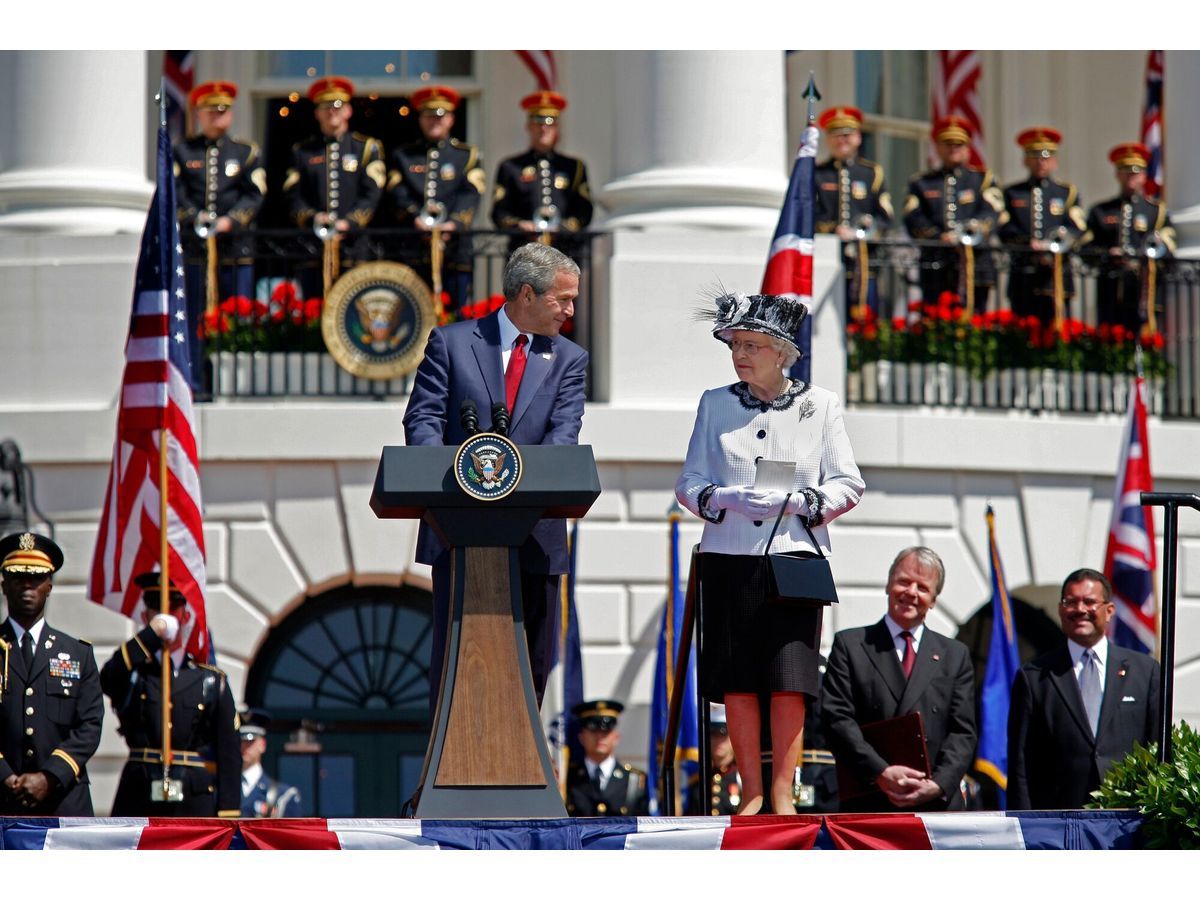
The upcoming visit of King Charles III to the United States arrives at a moment of heightened diplomatic tension. While ceremonial in nature, the visit serves as a focal point for broader concerns regarding the stability of the long-standing economic and political partnership between the United Kingdom and the United States. Recent shifts in trade policy and regulatory alignment have created a complex environment for multinational corporations operating across both jurisdictions.
Structural Shifts in Transatlantic Trade
The narrative surrounding the special relationship has moved beyond traditional diplomatic rhetoric to address tangible economic friction. Recent legislative changes and protectionist leanings in domestic industrial policy have forced a re-evaluation of how British firms integrate into the American market. For companies heavily reliant on seamless cross-border operations, the current climate introduces a layer of uncertainty that complicates long-term capital allocation. This is particularly relevant for the technology sector, where regulatory divergence often dictates the speed of product deployment and market penetration.
Corporate Exposure and Market Sensitivity
Large-cap technology firms, such as those tracked on the NOW stock page, remain sensitive to shifts in international trade agreements. When diplomatic relations face strain, the immediate impact is often felt in the cost of compliance and the fluidity of supply chains. While the current diplomatic friction is largely political, the potential for spillover into trade protocols remains a primary concern for institutional investors. The ability of firms to navigate these geopolitical headwinds often determines their relative performance in broader stock market analysis.
AlphaScala data currently reflects a cautious outlook for several major players in the technology and industrial sectors. For instance, ServiceNow Inc. (NOW) holds an Alpha Score of 52/100, while Shopify Inc. (SHOP) sits at 47/100, and Bloom Energy Corp (BE) is at 46/100. These scores indicate a mixed sentiment as firms grapple with macro-level volatility that extends beyond internal operational metrics.
The Path Toward Policy Resolution
The next concrete marker for this narrative will be the formal discussions held during the royal visit, specifically regarding the alignment of industrial subsidies and digital service taxes. Investors are looking for signals that the current friction will not devolve into formal trade barriers. Any joint statement regarding the future of the transatlantic economic framework will serve as the primary indicator of whether the relationship remains a pillar of global stability or a source of increasing market friction. The outcome of these discussions will likely influence the risk premium applied to firms with significant exposure to both the British and American regulatory environments.