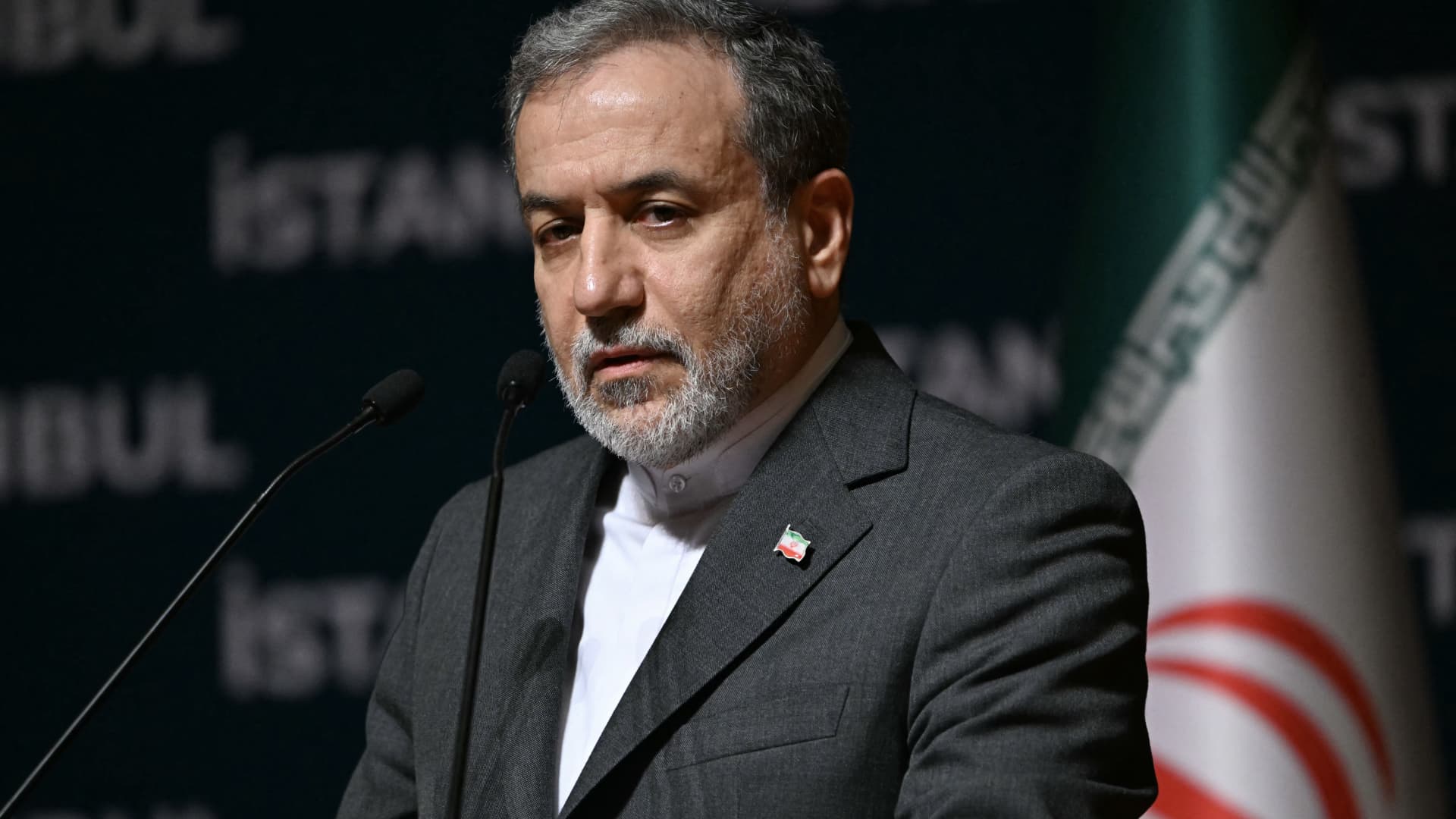
The arrival of Iran’s foreign minister in Pakistan this Friday marks a critical juncture in regional diplomacy as the market assesses the potential for de-escalation in the Middle East. While recent rhetoric from U.S. leadership suggests a lack of urgency regarding a formal peace deal, the underlying volatility in crude oil prices remains tied to the perceived risk of supply disruptions. The market is currently weighing the impact of ongoing regional tensions against the reality of current production levels.
Supply Chain and Energy Risk Premiums
Crude oil markets have demonstrated a heightened sensitivity to diplomatic movements in the Middle East. The expectation that Iran may engage in high-level talks provides a potential floor for risk premiums that have been elevated by fears of restricted maritime transit. Any shift in the diplomatic posture of regional actors directly influences the cost of insurance and shipping routes, which are primary drivers of energy price fluctuations. When diplomatic channels open, the immediate reaction in energy futures often reflects a reduction in the fear-based premium that has characterized recent trading sessions.
Market Correlation and Financial Exposure
Broader equity markets continue to monitor these developments as a proxy for global economic stability. The interplay between energy costs and corporate performance creates a ripple effect across sectors that rely on stable fuel inputs or predictable interest rate environments. Financial institutions and technology firms are particularly sensitive to these shifts, as they often serve as bellwethers for investor sentiment regarding geopolitical risk.
AlphaScala data currently reflects the following sentiment for key market participants:
- ServiceNow Inc. (NOW stock page) holds an Alpha Score of 51/100, categorized as Mixed.
- Morgan Stanley (MS stock page) holds an Alpha Score of 59/100, categorized as Moderate.
- ON Semiconductor Corporation (ON stock page) holds an Alpha Score of 45/100, categorized as Mixed.
These scores highlight the divergent reactions across sectors as firms navigate the uncertainty surrounding energy prices and macroeconomic stability. Investors are balancing the potential for Middle East Escalation Shifts Crude Oil Risk Premium against the fundamental health of these companies.
Next Steps for Market Monitoring
The upcoming discussions in Pakistan serve as the primary marker for the next phase of regional policy. Market participants should look for official readouts regarding the scope of the peace proposals and any concrete commitments to de-escalation. The absence of a breakthrough in these talks will likely maintain current volatility levels in energy markets, while any signs of progress could lead to a rapid repricing of the risk premium currently embedded in crude oil futures. The next concrete indicator will be the subsequent reaction of regional energy infrastructure operators and any shifts in tanker traffic patterns following the conclusion of these meetings.