Back to Markets
Commodities● Neutral

Geopolitical De-escalation Signals Potential Relief for Energy Markets

Geopolitical De-escalation Signals Potential Relief for Energy Markets
DEAONAS

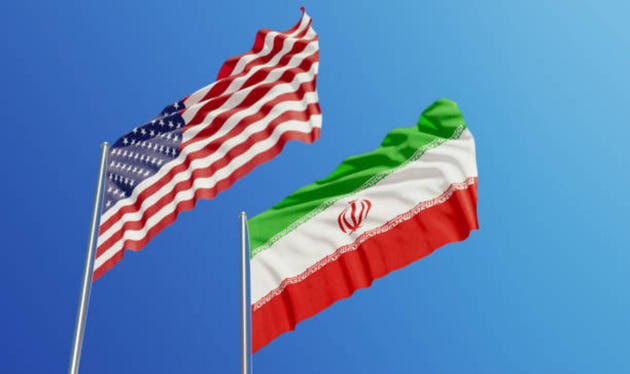
A potential de-escalation in the Iran conflict is lowering energy risk premiums, offering a possible catalyst for global equity and bond markets by easing inflation-driven rate hike pressures.

AlphaScala Research Snapshot
Live stock context for companies directly referenced in this story
Industrials
Alpha Score
40
Weak

Alpha Score of 40 reflects weak overall profile with moderate momentum, poor value, poor quality, weak sentiment.

Alpha Score
55
Moderate

Alpha Score of 55 reflects moderate overall profile with moderate momentum, moderate value, moderate quality. Based on 3 of 4 signals — score is capped at 90 until remaining data ingests.

Alpha Score
45
Weak

Alpha Score of 45 reflects weak overall profile with strong momentum, poor value, poor quality, weak sentiment.

Consumer Cyclical
Alpha Score
47
Weak

Alpha Score of 47 reflects weak overall profile with moderate momentum, poor value, moderate quality. Based on 3 of 4 signals — score is capped at 90 until remaining data ingests.

This panel uses AlphaScala-native stock data, separate from the source wire linked above.

The prospect of de-escalation in the Iran conflict is shifting the outlook for global energy markets, as the potential for reduced regional instability lowers the risk premium currently embedded in crude oil prices. A stabilization of the situation in the Middle East serves as a primary driver for market sentiment, potentially alleviating the upward pressure on energy costs that has complicated the broader inflation narrative. When energy prices retreat, the corresponding reduction in headline inflation figures provides central banks with greater flexibility regarding interest rate policy, which historically acts as a catalyst for broader equity and bond market rallies.

Energy Risk Premiums and Supply Stability

Energy markets remain sensitive to the flow of crude oil through critical maritime chokepoints. Any reduction in geopolitical friction directly impacts the risk premium that traders apply to oil futures, as the threat of supply disruptions in the Strait of Hormuz often dictates short-term price volatility. A sustained de-escalation would likely lead to a normalization of supply chain expectations, allowing energy producers to focus on output levels rather than defensive positioning. As noted in our crude oil profile, the interplay between regional stability and global supply remains the most significant variable for price discovery in the current environment.

Macroeconomic Linkages and Rate Policy

Beyond the immediate impact on energy, the cooling of geopolitical tensions influences the trajectory of global interest rates. Persistent energy inflation has been a key factor in the hawkish stance maintained by major central banks, as policymakers seek to anchor inflation expectations. A decline in energy costs effectively acts as a supply-side shock in reverse, potentially lowering the threshold for future rate hikes. This environment typically favors risk-on assets, as lower discount rates improve the valuation models for equities and increase the attractiveness of fixed-income instruments. The correlation between energy stability and market performance is particularly relevant for industrial and energy-heavy sectors, where input costs are directly tied to global oil benchmarks.

AlphaScala Market Context

Our internal data reflects the varied impact of these macroeconomic shifts across different sectors. For instance, TS stock page currently holds an Alpha Score of 67/100, reflecting its position in the energy sector as it navigates these fluctuating geopolitical conditions. Meanwhile, DE stock page maintains an Alpha Score of 40/100, and A stock page sits at 55/100, illustrating how industrial and healthcare sectors respond to the broader volatility linked to energy-driven inflation. These scores highlight the divergence in how companies manage cost structures when energy markets shift from a state of high-risk premium to one of relative stability.

The next concrete marker for this narrative will be the upcoming central bank policy meetings and any subsequent updates to energy inventory reports. Traders should monitor these data points to determine if the easing of geopolitical tensions translates into a sustained shift in global monetary policy or if structural supply constraints continue to keep a floor under energy prices. The transition from a risk-off environment to one of potential recovery will depend on whether the de-escalation holds through the next cycle of regional diplomatic engagements.

How this story was producedLast reviewed Apr 21, 2026

AI-drafted from named sources and checked against AlphaScala publishing rules before release. Direct quotes must match source text, low-information tables are removed, and thinner or higher-risk stories can be held for manual review.

Editorial Policy·Report a correction·Risk Disclaimer