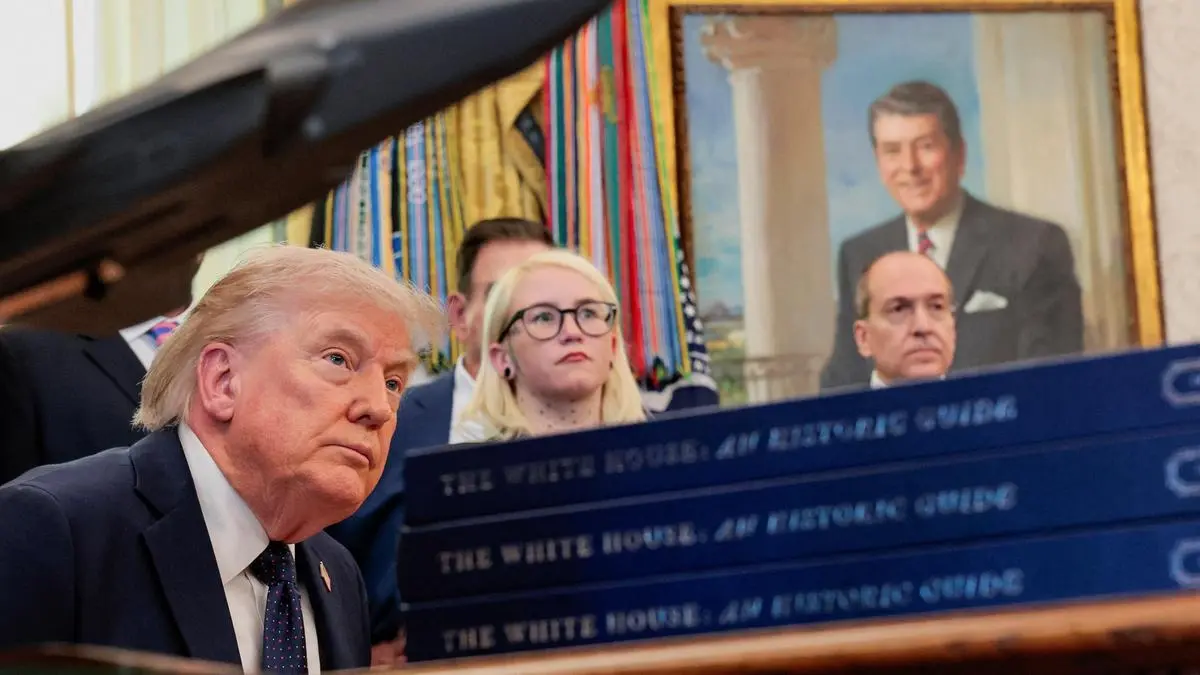
The extension of the ceasefire between Israel and Lebanon for an additional three weeks marks a pivot in regional diplomatic strategy. By hosting the meeting at the White House, the administration has signaled a direct role in managing the conflict, moving away from localized skirmishes toward a broader framework for regional security. The stated goal of securing an enduring peace deal with Iran serves as the primary catalyst for this shift, as the administration seeks to neutralize the underlying tensions that have historically fueled cross-border volatility.
Strategic Realignment in the Middle East
The decision to extend the ceasefire provides a temporary window of stability that alters the risk profile for regional energy and logistics sectors. Markets often react to such diplomatic interventions by pricing in a reduction of the risk premium associated with Middle Eastern supply routes. If the administration successfully leverages this three-week window to engage in substantive negotiations with Iran, the focus will likely shift from immediate military containment to long-term economic normalization. This transition is critical for global markets that have been sensitive to potential disruptions in energy production and maritime transit.
Sectoral Impact and Valuation Sensitivity
Consumer-facing sectors often experience secondary effects from geopolitical shifts, particularly those sensitive to discretionary spending and supply chain stability. Companies like Amer Sports, Inc. (AS stock page) and Wayfair Inc. (W stock page) operate within environments where global sentiment and logistics costs are key variables. AlphaScala currently tracks AS with an Alpha Score of 47/100 and W with an Alpha Score of 45/100, both reflecting a mixed outlook as these firms navigate broader consumer cyclical trends. While these companies are not directly tied to the Middle East, the stabilization of global trade routes and the potential for reduced inflationary pressure on shipping costs are relevant to their operational margins.
AlphaScala Data and Market Context
Geopolitical de-escalation typically creates a period of consolidation in assets that previously benefited from safe-haven flows. As the administration prioritizes a comprehensive deal, the market will look for signs of compliance from regional actors. The current AlphaScala data for AS and W highlights a cautious stance, suggesting that broader macroeconomic factors remain as influential as specific geopolitical developments. Investors should monitor how these firms manage inventory and logistics in a landscape where regional stability is increasingly tied to high-level diplomatic outcomes.
The Path Toward Long-Term Resolution
The next concrete marker for this narrative is the conclusion of the three-week ceasefire extension. The administration's ability to transition from a temporary pause to a durable agreement with Iran will determine whether this period of calm becomes a structural shift or a brief interruption in regional friction. Market participants should watch for follow-up statements from the White House regarding the progress of these negotiations, as any breakdown in communication could quickly reverse the current reduction in geopolitical risk premiums. The success of this diplomatic effort will serve as a primary indicator for future stability in energy and global trade sectors, impacting stock market analysis across multiple asset classes.