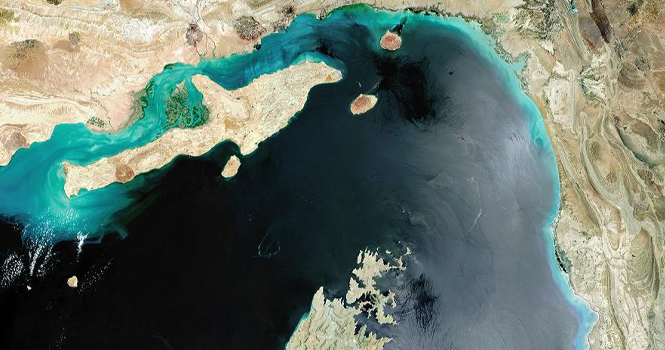
A Critical Chokepoint Faces Potential Reopening
Global energy markets are bracing for a potential reprieve as reports emerge that Iran may move to partially reopen the Strait of Hormuz before the end of the week. This strategic waterway, which serves as a vital artery for approximately 20% of the world’s petroleum consumption, has been the epicenter of intensifying regional tensions. According to recent reports, the reopening—which would be conducted under strict supervision—could commence as early as Thursday or Friday.
This development comes against the backdrop of highly anticipated diplomatic maneuvers, with reports indicating that Iranian officials are preparing for a high-stakes meeting with their United States counterparts in Pakistan. For traders and energy analysts, the timing of this potential reopening is significant, suggesting a tactical shift in Tehran’s regional posture as it seeks to navigate both diplomatic channels and economic pressures.
Contextualizing the Strait of Hormuz
The Strait of Hormuz is more than just a geographic feature; it is arguably the most important oil transit point in the world. Any threat of closure, or even the perception of restricted access, creates an immediate risk premium on global crude oil prices. Historically, even minor disruptions in the Persian Gulf have triggered significant volatility in Brent and WTI futures, as the market fears supply-side shocks that could affect global refining capacity and downstream product costs.
By signaling a potential reopening, Iran is effectively tempering the supply-risk narrative that has dominated headlines over the past several sessions. The prospect of “supervised” passage suggests that Tehran intends to maintain a degree of control over the transit corridor, likely as a leverage point in the upcoming negotiations in Pakistan. For market participants, this highlights the intersection of hard-power geopolitics and soft-power diplomacy.
Market Implications for the Energy Sector
The immediate reaction in energy markets will likely be one of volatility. If the reopening proceeds as reported, the risk premium currently baked into oil futures may begin to unwind, potentially exerting downward pressure on prices. Traders should monitor the spread between immediate delivery contracts and forward months, as a sudden normalization of shipping routes could lead to a rapid recalibration of supply expectations.
For investors in the energy sector, the situation underlines the necessity of monitoring geopolitical headlines alongside traditional supply-demand fundamentals. While a reopening would be a net positive for global energy security, the “supervised” nature of the passage implies that the situation remains fragile. Any deviation from the planned timeline or a breakdown in the Pakistan talks could lead to a swift reversal of any price cooling.
Looking Ahead: What Traders Should Watch
As the window for the potential reopening approaches, market participants should keep a close watch on three key indicators:
- Tanker Tracking Data: Real-time satellite and AIS data will be the ultimate litmus test for whether the strait is returning to normal operations. Any visible movement of supertankers through the corridor will provide the most accurate signal to the market.
- Diplomatic Communiqués: The tone coming out of the Pakistan meetings will be critical. Any signs of progress or, conversely, a breakdown in communication regarding the status of the strait will dictate the direction of energy prices through the weekend.
- Volatility Indices: Keep an eye on the OVX (CBOE Oil Volatility Index). A rapid decline in oil volatility would suggest that the market is beginning to price in a reduction of the geopolitical risk premium.
While the prospect of reopening the strait offers a glimmer of stability, the geopolitical landscape remains fluid. Traders are advised to maintain robust risk management protocols, as the interplay between regional power dynamics and energy flows remains highly susceptible to sudden, headline-driven shifts.