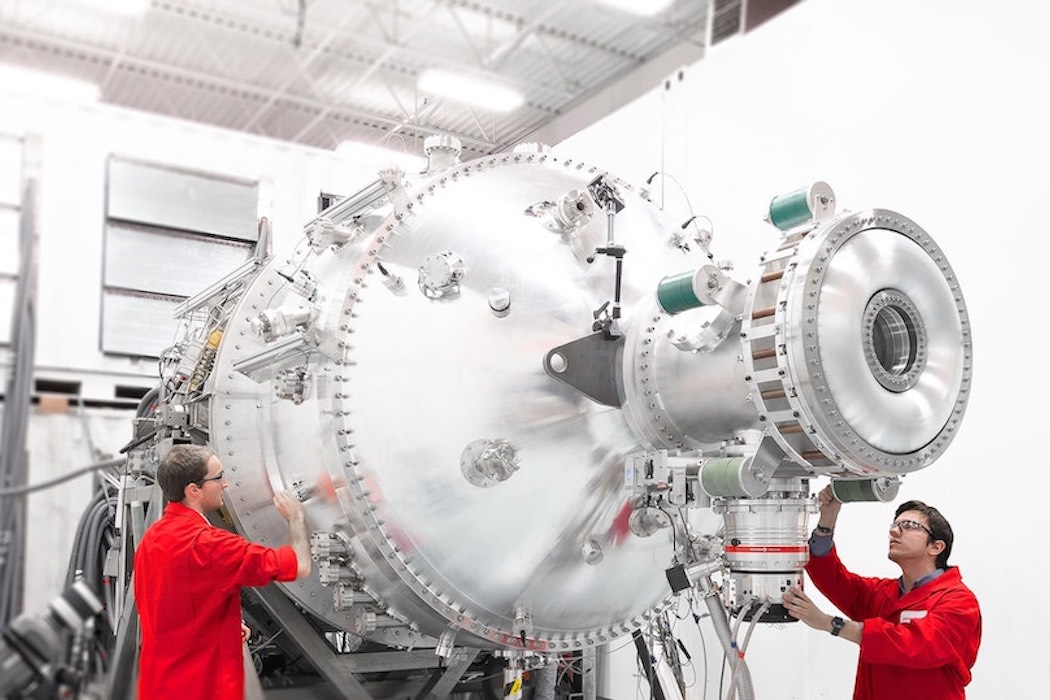
General Fusion has initiated preparations for a public listing on the Nasdaq, marking a shift in the commercial fusion energy landscape. The Richmond, British Columbia firm is moving to transition from experimental development to a capital-intensive phase focused on building a commercial-scale demonstration plant. This move signals a broader trend of private energy technology firms seeking public liquidity to bridge the gap between laboratory success and grid-scale deployment.
The Path to Commercialization
General Fusion utilizes a proprietary approach known as Magnetized Target Fusion. The technology involves injecting plasma into a liquid metal liner, which is then compressed to reach the extreme temperatures and pressures required for fusion. By moving toward a public listing, the company aims to secure the sustained funding necessary to complete its demonstration facility. The transition to public markets provides a mechanism for long-term capital allocation that is often difficult to maintain through private equity rounds alone.
This shift highlights the increasing pressure on fusion developers to demonstrate clear milestones toward energy production. Investors are moving beyond the initial hype cycle of the sector and are now focusing on the engineering feasibility of specific reactor designs. The company must now navigate the scrutiny of public market reporting while maintaining the long-term research and development timeline inherent in fusion energy.
Sector Read-through and Market Positioning
The entry of a fusion-focused entity into the public sphere creates a new benchmark for the clean energy sector. While traditional renewable energy companies rely on established technologies like wind and solar, fusion remains a high-risk, high-reward frontier. The success of this listing will likely influence how other emerging energy startups approach their own capital structures. If the market demonstrates an appetite for long-dated, capital-intensive energy projects, it could accelerate the pace of funding for similar ventures across the market analysis landscape.
For investors, the primary challenge lies in the disconnect between the multi-decade timeline of fusion energy and the quarterly expectations of public markets. General Fusion will need to provide consistent updates on its technical milestones to maintain valuation support. The company's ability to meet its stated engineering targets will be the primary driver of its stock performance, rather than immediate revenue generation.
AlphaScala Data and Next Steps
AlphaScala currently tracks NDAQ stock page with an Alpha Score of 51/100, reflecting a mixed sentiment as the exchange operator continues to navigate shifts in listing activity and market volatility. As General Fusion prepares its regulatory filings, the focus for the broader market will be on the specific financial disclosures regarding its burn rate and the projected timeline for its demonstration plant.
The next concrete marker for the company is the filing of its preliminary prospectus with the SEC. This document will provide the first look at the company's internal cost projections and the specific milestones it intends to fund through the IPO. Investors should monitor these filings for details on the company's current cash runway and the specific engineering hurdles it has identified for the next phase of development. The outcome of this listing will serve as a bellwether for the viability of deep-tech energy firms in the current stock market analysis environment.