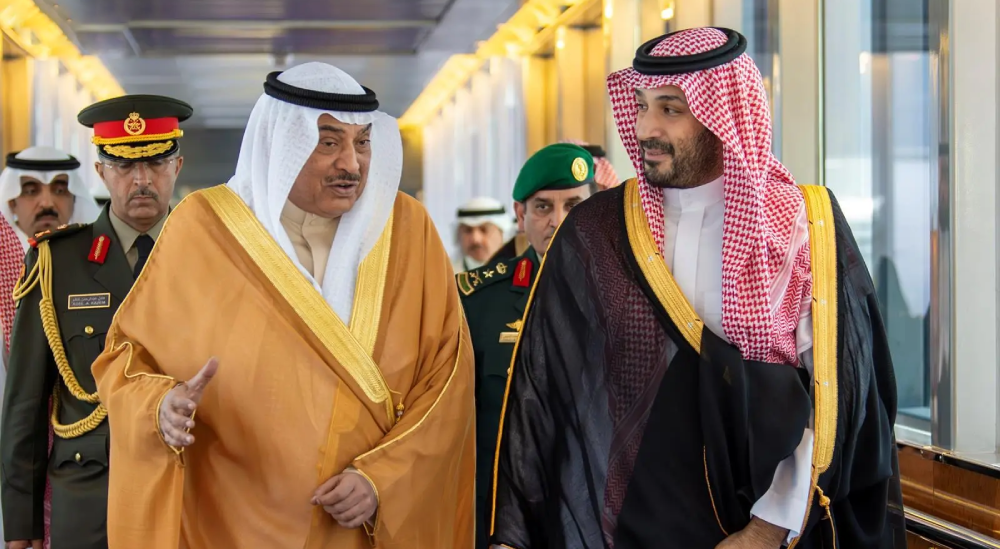
The arrival of Gulf Cooperation Council (GCC) leaders in Jeddah for a consultative summit marks a pivot toward accelerated regional policy alignment. This gathering serves as a primary venue for coordinating fiscal strategies and infrastructure development across the bloc. By convening in Jeddah, the member states are signaling a focus on unified economic responses to shifting global energy demands and regional security requirements.
Strategic Alignment and Infrastructure Integration
The summit agenda prioritizes the harmonization of trade regulations and the expansion of cross-border infrastructure projects. For regional markets, this represents a move away from siloed national development toward a more integrated economic zone. The focus on collective bargaining power and regional supply chain resilience is intended to reduce dependency on external logistics networks. Investors should monitor the specific outcomes regarding unified customs protocols and digital trade standards, as these will dictate the operational costs for multinational firms active in the Gulf.
Impact on Regional Capital Flows
The consultative nature of this summit suggests that member states are seeking to synchronize their capital allocation strategies. As these nations continue to diversify their sovereign wealth mandates, the coordination of investment priorities becomes a critical driver for regional liquidity. The alignment of regulatory frameworks for tokenized assets and digital financial services remains a key area of interest, particularly as institutions like State Street Expands Tokenized Fund Servicing to Luxembourg continue to push for broader adoption of distributed ledger technology in global fund management. A unified approach to these technologies within the GCC could significantly lower the barrier to entry for international capital.
Key areas of focus for the summit include:
- The standardization of regional energy transition timelines.
- Joint investment initiatives in advanced manufacturing and logistics.
- Harmonization of corporate tax and regulatory reporting requirements.
Market Context and Future Markers
Regional markets are currently navigating a period of transition as sovereign entities shift from traditional oil-based revenue models to broader industrial and technological investments. The GCC's ability to present a unified front on trade policy acts as a stabilizer for regional equity valuations. While stock market analysis often focuses on individual company performance, the macro-level policy shifts emerging from Jeddah provide the structural foundation for long-term growth in the region.
The next concrete marker for this narrative will be the publication of the joint communique following the summit. This document will detail the specific timelines for the proposed regulatory integrations and infrastructure milestones. Observers should look for explicit commitments to cross-border digital infrastructure, as this will serve as the primary indicator of the bloc's commitment to deeper economic integration versus mere consultative cooperation.