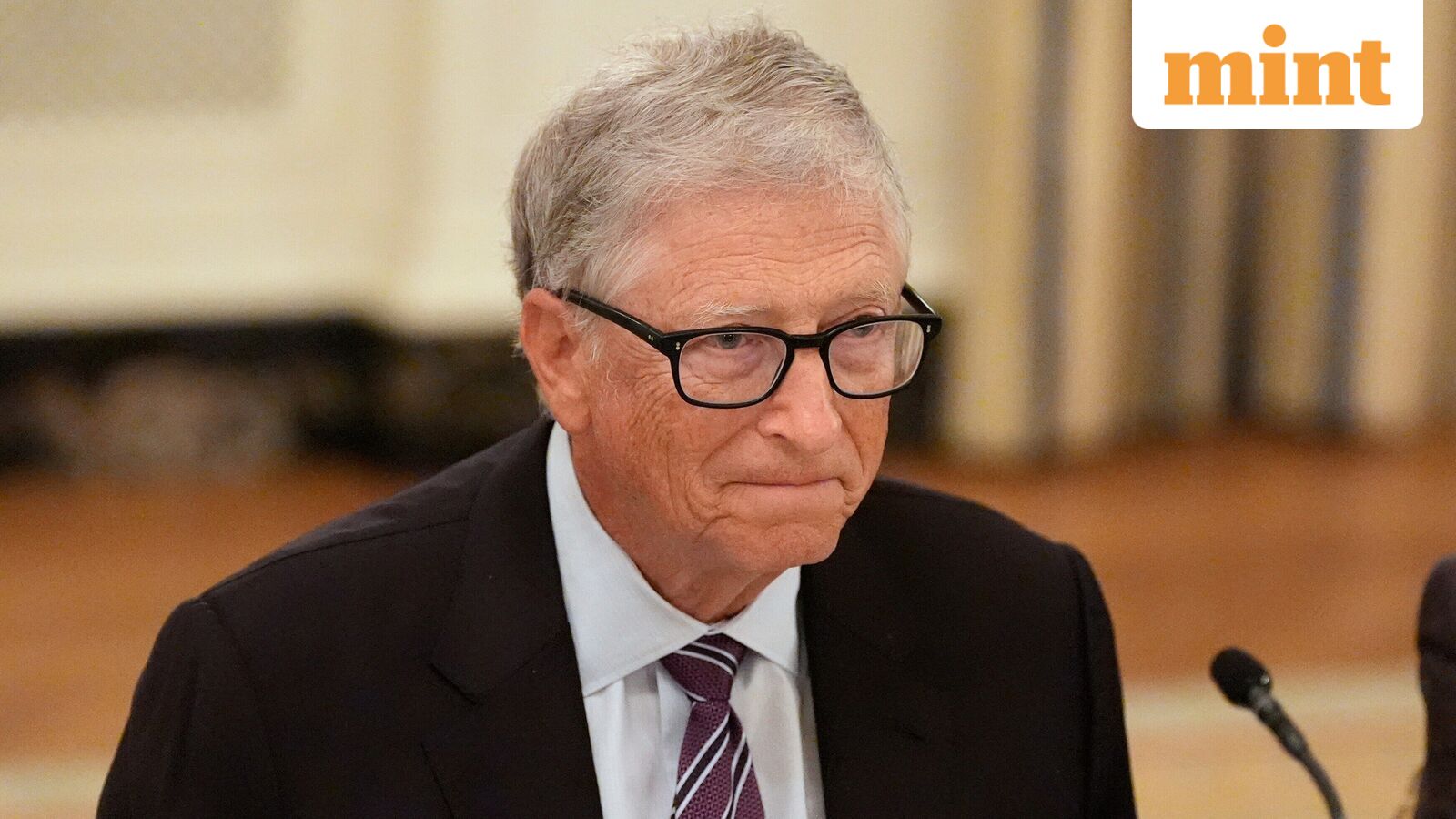
Bill Gates did not attend Microsoft's annual CEO Summit in May for the first time in the event's history. Weeks before the gathering, Gates' team received a message from Microsoft that it would be better not to host his traditional dinner at his Washington home or attend. The decision marks the most concrete corporate distancing from Gates since the release of documents linking him to convicted sex offender Jeffrey Epstein.
Microsoft's choice to advise Gates against attendance – without barring him – shows the board and CEO Satya Nadella judged his presence a distraction risk. The move separates founder symbolism from current management. For a company where Gates was still a board member as recently as 2020, it signals a cultural shift.
The India AI Summit Pattern: Repeated Exclusion Across Geographies
Gates was set to deliver a keynote at the AI Impact Summit in New Delhi in February. He had already arrived in India, visiting Vijayawada and Mumbai before coming to Delhi. Days before the event, his name vanished from the key attendee list on the summit website. Indian government officials confirmed his invitation was being reviewed after his name appeared in the Epstein files.
India is one of Microsoft's fastest-growing markets for Azure and AI services. Gates' removal from the AI Impact Summit means his advocacy for technology-driven development is filtered out of conversations with Prime Minister Narendra Modi, French President Emmanuel Macron, and other officials. That is a second-order risk for Microsoft's local business relationships.
Why Two Snubs Matter for Governance
The pattern is more significant than a single event. Gates was excluded from two high-profile forums in the same year – one corporate, one governmental. Each exclusion came with a stated rationale: to avoid distraction. That language suggests the entities involved see Gates' presence as a net liability.
Berkshire Hathaway Sidelines Gates Amid Buffett's Donation Uncertainty
Gates missed Berkshire Hathaway's annual shareholder meeting this year for the first time in decades. The Journal reported Gates was not barred but was advised by some people not to attend. The meeting is a fixed point in Berkshire's calendar, and Gates had been a near-permanent fixture alongside Warren Buffett.
Buffett's own remarks amplify the separation. In a March CNBC interview, he said he had not spoken with Gates since the latest batch of Epstein-related files emerged and that he wanted to see what additional information appears before making his annual donation decision to the Gates Foundation in late June. Buffett told the Journal in 2024 that the Gates Foundation will not receive any money after his death.
For Berkshire Hathaway (BRK.B), the estrangement removes one of the few external figures who could challenge Greg Abel's capital allocation decisions. Gates served on Berkshire's board until 2022 and was widely seen as Buffett's investment sounding board. Succession planning already faces uncertainty about the investment side. Losing Gates' informal counsel heightens the premium on Abel's track record.
What Confirms or Weakens the Separation Thesis
Confirmation Signals
- Additional Epstein document releases that deepen the association.
- Further event exclusions, such as dropping Gates from other keynote appearances or board roles.
- A formal statement from Microsoft's board regarding Gates' role – not yet issued.
Weakening Signals
- Gates returns to the CEO Summit in May 2026, as Microsoft offered.
- Buffett resumes annual Gates Foundation donations after the June review.
- Gates appears at a major public event without controversy.
Governance Risk in Founder-Linked Companies: MSFT, BRK.B, and Oracle
Microsoft (MSFT) trades at $450.24, up 5.45% today, with an Alpha Score of 66/100 (Moderate) . The move reflects broader tech momentum, not a read on the Gates story. The risk is tail-risk: if Gates' legal exposure widens and draws regulatory attention to Microsoft's past ties, valuation could see a governance discount. For now, Nadella's team has demonstrated it can separate brand from founder.
Berkshire Hathaway (BRK.B) holds an Alpha Score of 50/100 (Mixed) . The risk is more acute because key-man exposure remains tied to Buffett's mortality. If Buffett dies before the Gates story resolves, the succession narrative could include questions about Abel's external advisory network. The stock has no immediate catalyst from this news.
Oracle (ORCL) , another founder-driven tech company, offers a comparison. Its Alpha Score is 56/100 (Moderate) . Founder Larry Ellison remains executive chairman. Any reputational shock affecting a founder's image would test Oracle's governance similarly, though none is present now.
The practical takeaway: The Gates snubs are real events that alter governance perception but are not priced as trade catalysts. They become actionable only if they trigger formal board responses or cascade into wider founder-liability debates across technology and financials.