Fuel Price Hike as a Demand Risk
The recent increase in fuel prices introduces a clear headwind for the Indian auto sector. When gasoline and diesel become more expensive, the total cost of ownership for internal-combustion-engine vehicles rises, typically softening near-term demand. This is the exact dynamic that Tata Motors Passenger Vehicles is now assessing.
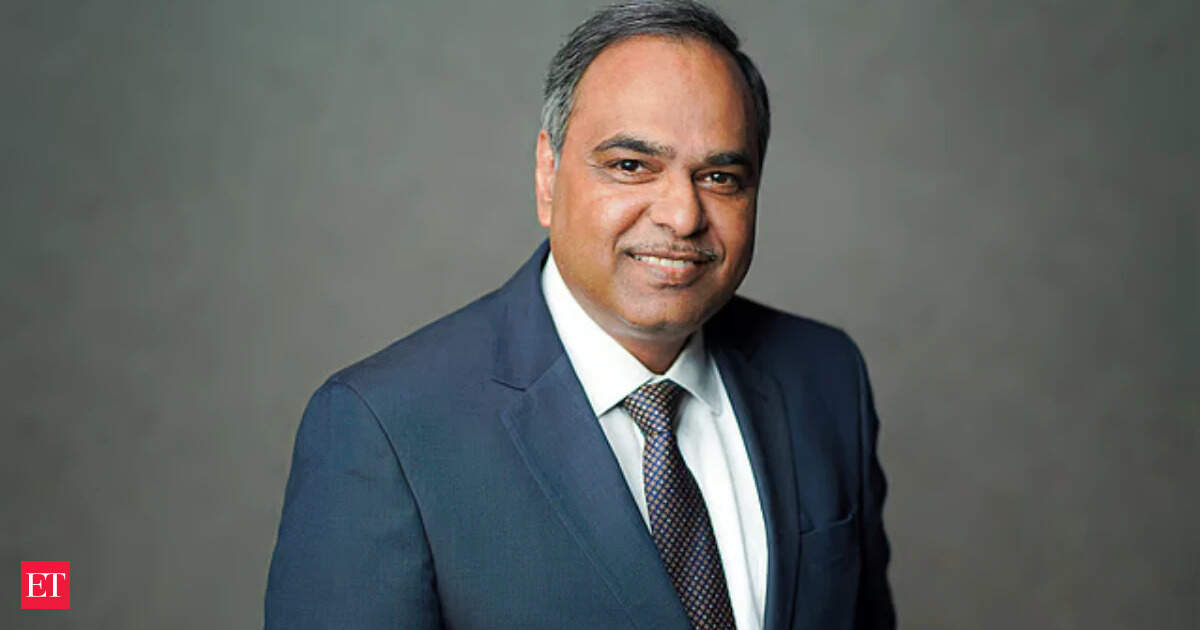
Shailesh Chandra, MD & CEO of Tata Motors Passenger Vehicles, acknowledged the concern but described it as premature to estimate the precise impact on demand. He stated that it is too early to revise the company's FY27 outlook, suggesting that the management sees the current fuel price trajectory as a watch item rather than an immediate drag. The read-through is straightforward: if fuel costs sustain at elevated levels, discretionary auto purchases could slow, especially for entry-level and mid-range ICE models.
EV Momentum as a Structural Hedge
While fuel price hikes pressure traditional vehicle demand, they simultaneously strengthen the relative appeal of electric vehicles. Chandra noted that EV demand is showing strong momentum, a comment that aligns with the structural shift in consumer preferences in India's passenger vehicle market. For Tata Motors, this is not just a defensive narrative – the company has been the dominant player in India's EV space, led by the Nexon EV and Tiago EV.
Chandra also pointed out that capacity for EVs can be enhanced internally and through suppliers. That flexibility matters because fuel price shocks tend to accelerate EV adoption as running costs become more comparative. The implication is that Tata Motors is positioning its EV pipeline to absorb any demand shift away from ICE vehicles, creating a natural hedge inside its own product mix.
Production and Supply Chain Read-Through
For the broader auto sector, the fuel price move tests the resilience of OEMs with diversified powertrain strategies. Tata Motors' ability to scale EV production without major capital bottlenecks – using internal capacity and supplier partnerships – reduces the downside risk relative to pure-ICE competitors. The sector read-through is: companies with flexible manufacturing lines and strong EV order books are better positioned to weather a near-term demand dip triggered by fuel cost inflation.
Confirming the read-through would require monitoring monthly wholesale sales data over the next two quarters. If Tata Motors' ICE volumes soften but EV registrations accelerate, the thesis holds. If both decline, the fuel price impact is broader and may reset expectations across the passenger vehicle segment.
Next Decision Point
The immediate catalyst is the trajectory of crude oil prices and subsequent retail fuel adjustments in India. If the government absorbs the cost or if global crude retreats, the demand risk fades. If fuel prices rise again in the next revision, auto companies may need to recalibrate inventory and incentive strategies. Tata Motors' commentary suggests the company is waiting for clarity before acting – a prudent stance that keeps FY27 guidance intact for now.
For a deeper look at the commodity side of this story, see AlphaScala's crude oil profile and broader commodities analysis.