Crypto▲ Bullish
FTX Trust Can Pursue $1.76B From Binance Over 2021 Buyback
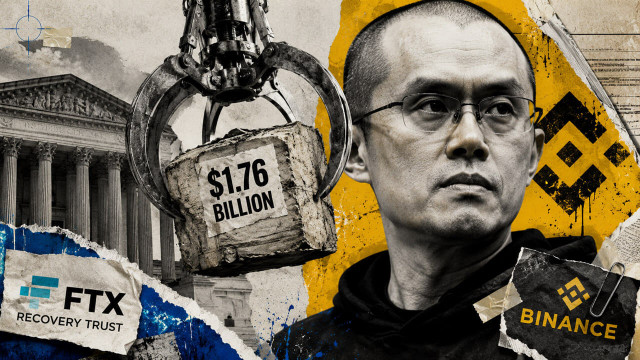
Judge preserves FTX estate's clawback claims against Binance entities and CZ over $1.76B in allegedly fraudulent 2021 share repurchase
Continue with
The FTX Recovery Trust, the entity clawing back assets for the bankrupt exchange's creditors, can keep trying to recover at least $1.76 billion that FTX allegedly transferred to Binance parties in a 2021 share repurchase.
U.S. Bankruptcy Judge Karen B. Owens ruled July 24 that the core clawback claims against four Binance entities and founder Changpeng Zhao can proceed. She dismissed separate claims tied to statements made during FTX's collapse. The decision does not establish liability or award money to the estate. It only lets the case continue past the pleading stage.
The dispute centers on a July 15, 2021, transaction. Seven agreements repurchased Binance's roughly 20% stake in FTX Trading and an 18.4% stake in West Realm Shires held by Zhao, Dinghua Xiao and Samuel Wenjun Lim. The consideration consisted of BUSD, BNB and FTT tokens, according to the complaint. The trust alleges the transferred assets were worth at least $1.76 billion. That figure is an alleged value, not a court-set valuation or an award.
Owens allowed Counts I through V to proceed against Binance Holdings Limited; Binance Capital Management Co. Ltd., now known as Digital Anchor Holdings Limited; Binance Holdings (IE) Limited; Binance (Services) Holdings Limited; and Zhao. Those counts assert constructive and actual fraudulent transfers and seek recovery of the transferred property or its value. The court dismissed those counts against Xiao and Lim.