Crypto▼ Bearish
Trump-Linked Crypto Tokens Face Political Fallout After Collapse
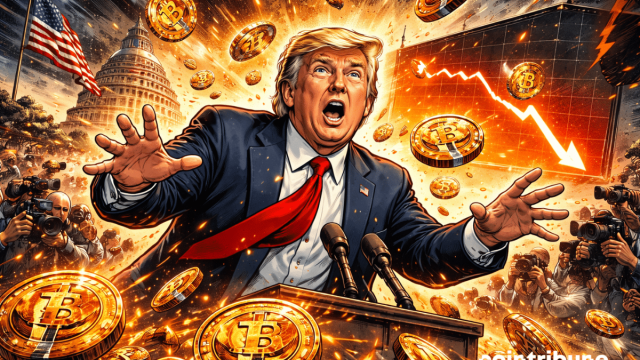
Retail losses in Trump-themed memecoins are fueling political grievances, signaling a shift toward regulatory scrutiny for speculative digital assets.
Continue with
The Rapid Devaluation of Political Memecoins
What began as a speculative playground for retail traders betting on the intersection of blockchain technology and U.S. political theatre has devolved into a full-scale reputational crisis. The recent collapse of various crypto tokens linked, either explicitly or tangentially, to former President Donald Trump has transitioned from a standard "pump and dump" market narrative into a burgeoning political scandal, raising fresh questions about the role of digital assets in electoral influence.
For months, the market saw a proliferation of "Trump-themed" assets, capitalizing on retail enthusiasm surrounding his 2024 campaign. However, as the valuations of these tokens have cratered, the focus has shifted from simple price volatility to the underlying mechanisms of these projects and the potential for regulatory or ethical blowback. The narrative is no longer framed solely through the lens of market correction; it has become a political problem that threatens to complicate the narrative surrounding digital assets in the current election cycle.
The Anatomy of a Market Collapse
To the seasoned trader, the pattern is familiar: a surge in liquidity driven by social media sentiment, followed by a precipitous decline as early adopters exit and the lack of underlying utility is exposed. Yet, the scale of this collapse is unique due to the political branding attached to the assets. These tokens, which often leveraged the former President’s image or policy rhetoric, were marketed to a demographic that frequently overlaps with his political base.
When these assets lose value, the financial pain felt by retail participants is increasingly being channeled into political grievances. The loss of capital among these cohorts is being viewed not merely as a bad trade, but as a betrayal of trust. This shift in sentiment is significant, as it forces political strategists to address the fallout of assets that were never officially sanctioned by the Trump campaign but were nonetheless inextricably linked to his brand in the public consciousness.