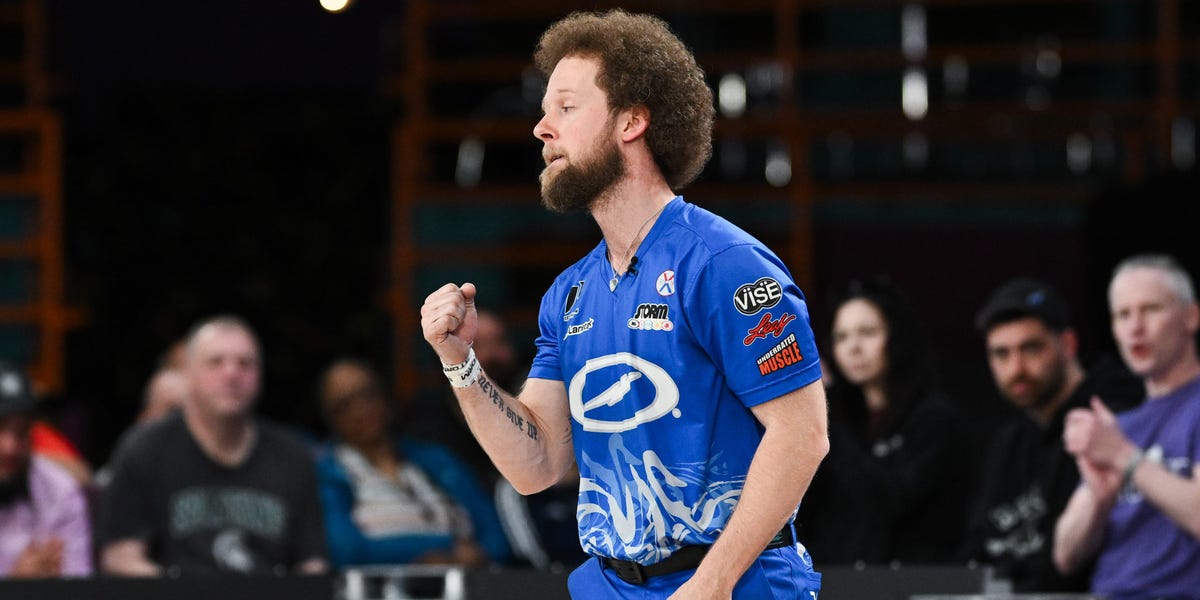
The Unlikely Path to Professional Dominance
In the high-stakes world of professional sports, narratives of meteoric rises often begin in elite academies or collegiate programs. However, the trajectory of professional bowler Kyle Troup offers a starkly different, blue-collar blueprint. Before ascending to the pinnacle of the Professional Bowlers Association (PBA), Troup’s daily routine was defined by the relentless pace of fast-food management. At just 18 years old, he was tasked with overseeing the operations of a Wendy’s franchise—a role that demanded operational discipline, team management, and the ability to thrive under pressure.
Today, Troup has transcended those humble beginnings, cementing his legacy in the record books. During a recent standout campaign, Troup secured a staggering $496,900 in earnings, a figure that stands as a single-season record for the sport. This financial milestone not only highlights the growing prize pools in professional bowling but also underscores a career shift that has allowed Troup to move from wage-based labor to significant wealth accumulation.
The Economics of Professional Bowling
For traders and analysts accustomed to the volatility of the equity markets, the professional bowling circuit might seem like a niche arena. Yet, the economics of the sport have evolved significantly. Large-scale sponsorship deals, televised events, and increased prize purses have transformed bowling from a recreational pastime into a viable, high-performance career path for elite athletes.
Troup’s $496,900 season serves as a case study for the professionalization of the sport. By leveraging his brand and consistent performance, Troup has effectively maximized his 'earnings potential per frame.' In an era where athletes are increasingly viewed as individual business entities, Troup’s ability to turn a niche skill set into a nearly half-million-dollar annual return demonstrates the power of specialization and high-level execution.
Market Implications and Career Trajectory
What does Troup’s journey mean for the broader context of personal finance and professional development? It reinforces the theory that transferable skills—specifically the grit and time-management capabilities honed in intensive environments like fast-food management—are essential precursors to success in any competitive field. The leap from managing a Wendy’s kitchen to managing the high-pressure environment of a championship final requires a psychological fortitude that is rarely explicitly taught but universally valued.
For investors, Troup’s story is a reminder of the value of long-term consistency. Much like compounding interest in a portfolio, the incremental improvements in his bowling technique, combined with the strategic navigation of the PBA tour, allowed him to reach a record-shattering financial zenith. While most professional athletes see their peak earnings concentrated in a few 'contract years,' Troup has built a sustainable model of success that allows him to remain competitive while maintaining long-term financial security.
Looking Ahead: The Sustainability of Niche Sports
As Troup continues his career, the focus shifts to whether this level of financial success can be sustained or surpassed. The sports entertainment industry is currently undergoing a shift, with niche sports gaining more traction through streaming platforms and digital engagement. If the trend of rising prize pools continues, Troup may well be the first of many to cross the half-million-dollar threshold in annual earnings.
For those watching the intersection of sports and finance, Troup remains a key figure to monitor. His ability to balance the technical demands of the lanes with the financial demands of a professional athlete provides a template for athletes in non-traditional sports to monetize their talents effectively.