From $1.27M to $3.63M: The Capital Range for $10,600 Monthly Income
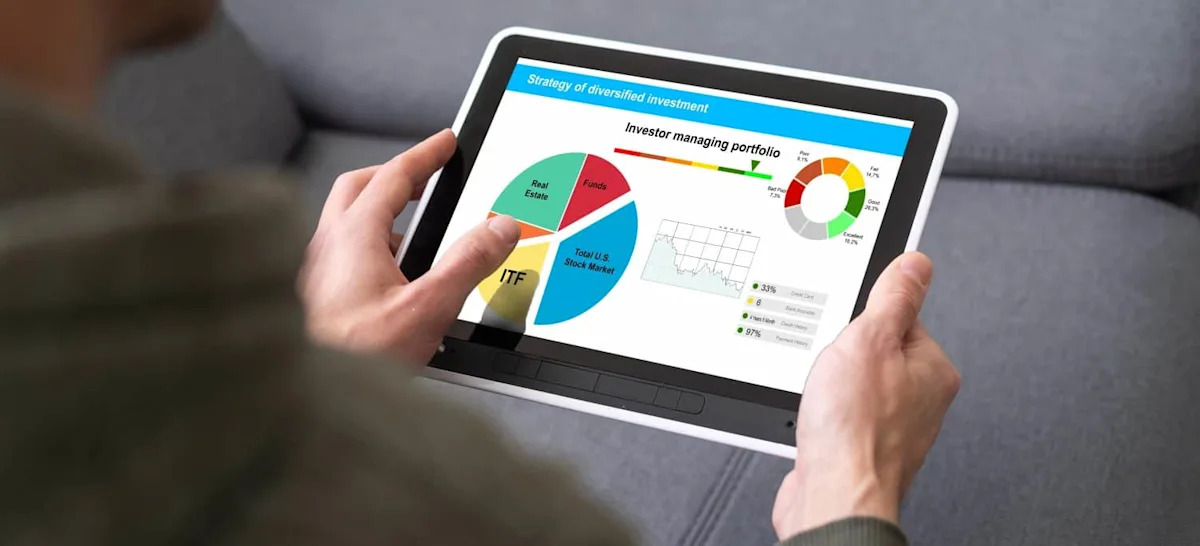
Generating $10,600 a month from investments requires between $1.27M at 10% yield and $3.63M at 3.5% yield, with dividend growers like ABBV and CVX offering rising income.
Generating $10,600 a month from investment income demands between $1.27 million at a 10% yield and $3.63 million at a 3.5% yield, an analysis by 24/7 Wall St. shows. The calculation is straightforward: $127,200 a year divided by the portfolio's blended yield equals the capital required. The rest is a tradeoff between current yield and income durability.
The low-yield, high-capital end of the spectrum is where dividend-growth stocks live. AbbVie (ABBV) yields roughly 2.6%, but the quarterly payout has risen from $1.48 in 2023 to $1.73 in 2026, funded by 24.4% growth in Skyrizi and 24.5% growth in Rinvoq last quarter. The stock carries an Alpha Score of 62 out of 100, labeled Moderate, reflecting steady earnings momentum in a sector-leading pipeline. Chevron (CVX) yields 3.2% with 16 consecutive quarters of returning more than $5 billion to shareholders. Its Alpha Score of 55, labeled Mixed, captures the tension between strong free cash flow and the cyclical nature of energy prices. Both companies raise dividends annually, meaning the income stream compounds even as the headline yield stays modest.
At a 10% yield, the capital requirement collapses to $1.27 million. This tier holds business development companies, mortgage REITs, and leveraged covered-call funds. Hercules Capital yields about 9.1% with a $0.47 quarterly distribution and a portfolio that is 97.8% floating rate. The distribution ran $0.48 across 2024 before stepping down to $0.47, non-accruals doubled from one loan to two, and the first-lien mix dropped from 91.0% to 86.8%. High current yield and high total return are two different things, the analysis notes.
A 6% yield reduces the capital need to about $2.12 million. Net lease REITs and preferred equity occupy this middle ground. W. P. Carey yields roughly 5.4% with a $3.76 annualized dividend, up 4.4% year over year. The portfolio runs at 98.5% occupancy, with 47.8% of annual base rent tied to CPI escalators. The inflation link matters for maintaining real income, but risks are visible: shares slipped nearly 7% over the past month, and the second quarter included $79.4 million in impairment charges tied to tenant credit issues.
A blended portfolio targeting a 4.9% yield requires roughly $2.6 million to hit $10,600 a month. The mix spans broad dividend equity, a net lease REIT, a BDC, pharma, energy, and a short-duration cash-plus sleeve. That approach trades some current income for durability and growth, the same tradeoff that separates an AbbVie holder collecting rising checks from a BDC holder watching a fixed distribution erode in real terms.
The analysis stresses comparing 10-year total returns, not yields alone. ABBV delivered a 528% total return over the past decade, while HTGC returned 282%. The gap argues for owning both rather than picking on yield alone.
Drafted by a large language model from the source reporting linked above, then screened by automated publishing checks. It is not read by a journalist before publication. Some articles cite our Alpha Score. Verify prices and figures against the original source. Educational coverage, not personalized advice.