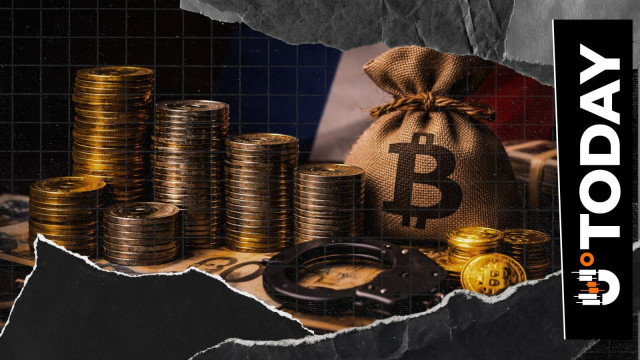
French authorities report 40+ crypto-linked abductions, signaling a shift toward physical extortion. Expect tighter EU custody rules and liquidity pressure.
French law enforcement officials have confirmed more than 40 kidnapping and hostage-taking incidents tied directly to cryptocurrency since the start of the year. This spike reflects a transition in criminal methodology, where digital assets are increasingly treated as liquid currency for immediate extortion.
Criminal syndicates are moving away from traditional wire transfers, which leave a clear paper trail for regulators and banks. The decentralized nature of Bitcoin (BTC) and Ethereum (ETH) provides attackers with a perceived layer of anonymity, though law enforcement agencies are deploying increasingly sophisticated blockchain forensics to track the movement of funds.
These incidents generally follow a specific pattern: victims are targeted for their known holdings, abducted, and forced to provide access to their digital wallets or private keys. Once the transfer is confirmed on-chain, victims are typically released. This creates an immediate liquidity crisis for the victim and poses significant security challenges for individuals with high-value holdings.
For investors and traders, this trend underscores the growing physical risks associated with managing large self-custodied portfolios. While the crypto market analysis often focuses on volatility and regulatory shifts, the physical safety of asset holders is becoming a secondary line of inquiry for institutional security teams.
Traders should monitor how European regulators respond to these statistics. Legislative pressure in France often sets the tone for the broader EU regulatory environment. If the French government introduces emergency measures, similar to recent security directives targeting crypto-linked violence, it could lead to localized liquidity constraints on exchanges operating within the region.
"The shift in criminal tactics from financial fraud to physical coercion marks a dangerous escalation in the misuse of digital assets," noted a security analyst familiar with the ongoing investigations.
Watch for official policy shifts from the Autorité des marchés financiers (AMF) or French interior ministries regarding the transport of private keys or the reporting of large-scale crypto transactions. Increased scrutiny on how users withdraw to private wallets could be an early signal of tighter controls. Investors should prioritize asset security and avoid public disclosure of holding sizes, as physical security remains the most overlooked risk in the current digital asset environment.
Prepared with AlphaScala research tooling and grounded in primary market data: live prices, fundamentals, SEC filings, hedge-fund holdings, and insider activity. Each story is checked against AlphaScala publishing rules before release. Educational coverage, not personalized advice.