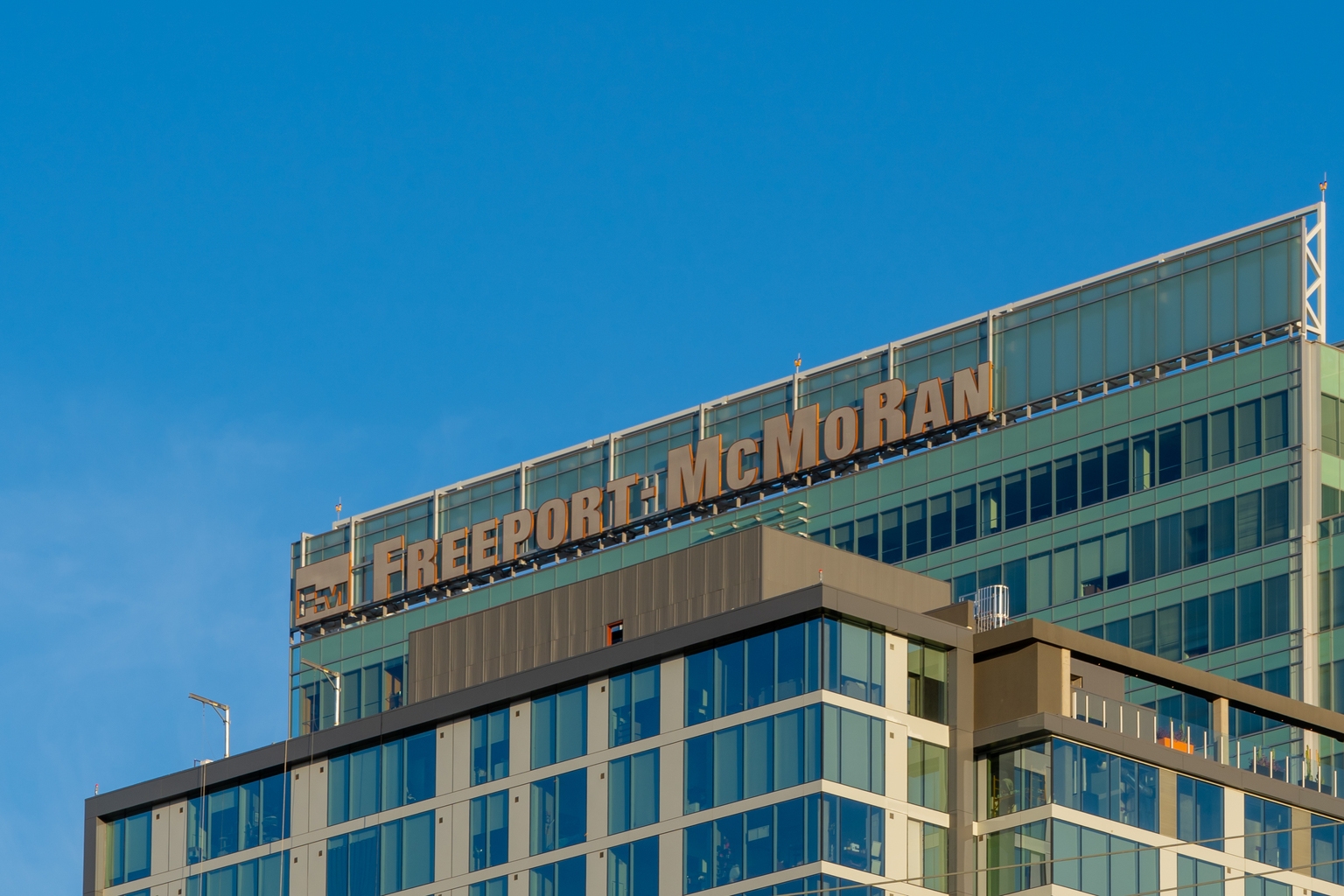
Freeport-McMoRan recently signaled that operational setbacks at its Grasberg mine are creating a tighter supply environment, shifting the narrative from production volume to price realization. While lower output typically weighs on revenue, the company is leaning into the reality that constrained global supply acts as a natural support mechanism for copper prices. This dynamic forces a recalibration of how the market values the company's remaining output, as the scarcity premium begins to offset the loss in total tonnage.
The Grasberg Production Shift
The operational hurdles at the Grasberg site represent a significant pivot point for the company's near-term output profile. By navigating these constraints, Freeport-McMoRan is effectively managing a supply-side contraction that aligns with broader industry trends of declining ore grades and project delays. Investors are now assessing whether the higher price environment for copper can sustain margins despite the reduced throughput. The company's ability to maintain its cost structure while navigating these technical challenges remains the primary focus for those tracking FCX stock page.
Sector Read-Through and Valuation
The broader materials sector is currently grappling with the tension between industrial demand and the difficulty of bringing new supply online. Freeport-McMoRan serves as a bellwether for this struggle, as its exposure to large-scale copper mining makes it highly sensitive to both logistical disruptions and commodity price swings. When supply is artificially tightened by site-specific issues, the resulting price support often benefits the entire copper complex. This creates a unique environment where operational underperformance in volume is partially mitigated by the resulting strength in the underlying commodity price.
AlphaScala data currently assigns Freeport-McMoRan an Alpha Score of 58/100, reflecting a moderate outlook as the company balances these production headwinds against favorable market pricing. This score is consistent with the broader volatility observed in the materials sector, where commodity-linked equities often trade at a premium to their historical averages when supply-side risks are elevated.
The Path to Operational Normalization
The next concrete marker for Freeport-McMoRan will be the upcoming production guidance update. Investors are looking for clarity on whether the Grasberg issues are transitory or indicative of a longer-term structural shift in output capacity. If the company can demonstrate a clear path back to full operational capacity, the current price support from the copper market could lead to a significant expansion in free cash flow. Conversely, continued production volatility will likely force a deeper look at the company's capital allocation priorities and its ability to sustain current dividend and buyback programs. The market will be watching the next regulatory filing for specific details on ore grade recovery and site-wide efficiency metrics to determine if the current supply-constrained thesis holds weight through the remainder of the fiscal year. For more context on the broader market, see our stock market analysis.