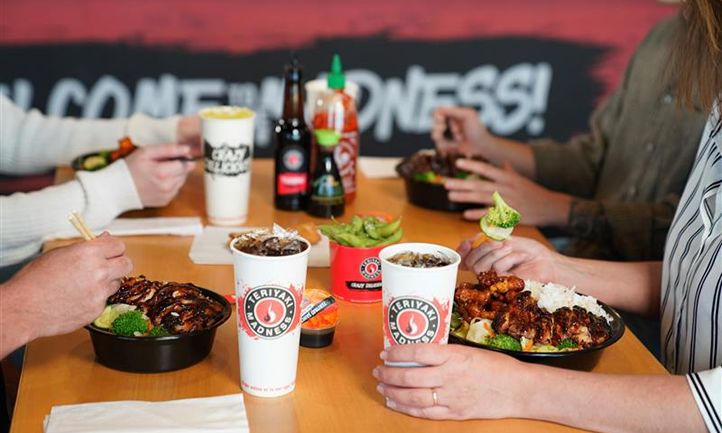
The restaurant franchise sector is currently defined by aggressive footprint expansion as brands like Teriyaki Madness, PJ’s Coffee, and Home Frite prioritize market penetration in high-density suburban corridors. This localized growth strategy represents a shift in how national chains approach site selection, moving away from centralized urban hubs toward regional markets that offer lower overhead and more stable consumer traffic patterns. As these brands secure new leases, the underlying demand for commercial real estate in secondary markets is tightening, creating a competitive environment for prime retail space.
Regional Footprint Expansion and Site Selection
The entry of Teriyaki Madness into Westchester County, specifically New Rochelle, illustrates a broader trend of brands targeting affluent suburban markets to capture shifting consumer spending. By establishing a presence in these areas, franchises are attempting to insulate themselves from the volatility of major metropolitan centers while tapping into localized demand for quick-service dining. This expansion strategy relies on the availability of existing retail infrastructure that can be retrofitted to meet specific operational requirements, effectively reducing the time-to-market for new locations.
PJ’s Coffee and Home Frite are similarly scaling their operations through targeted openings that emphasize brand visibility and accessibility. These growth trajectories are supported by a model that favors smaller, high-efficiency footprints over large-scale dining rooms. This shift toward compact, high-turnover units allows franchises to maintain profitability even as labor and supply chain costs remain elevated. The focus on regional clusters rather than national saturation allows for more efficient distribution of supplies and management oversight.
Supply Chain and Operational Efficiency
The success of these expansion efforts is contingent upon the stability of the supply chains supporting these franchises. As the number of units increases, the pressure on regional distribution networks grows, necessitating a more robust logistics strategy to maintain consistent inventory levels. Franchises that can successfully integrate their supply chain with their growth plans are better positioned to manage the rising costs of raw ingredients. This operational discipline is a critical factor for investors evaluating the long-term viability of franchise-heavy business models.
AlphaScala data currently tracks various sectors for performance trends, including the communication services and technology industries. For instance, NWSA stock page remains in the Unscored category, while SHOP stock page holds an Alpha Score of 47/100, reflecting a mixed outlook in the broader market environment. These metrics provide a baseline for understanding how capital allocation shifts between traditional retail-linked sectors and digital-first enterprises.
Future market movements in the franchise sector will be dictated by the pace of new store openings and the ability of these brands to sustain profitability in their new locations. The next concrete marker for this sector will be the release of quarterly same-store sales data, which will reveal whether the current expansion strategy is translating into sustained revenue growth or if the market is reaching a point of saturation in these targeted regions. Monitoring the rate of new lease signings will provide the clearest signal of whether this growth phase is accelerating or beginning to plateau.