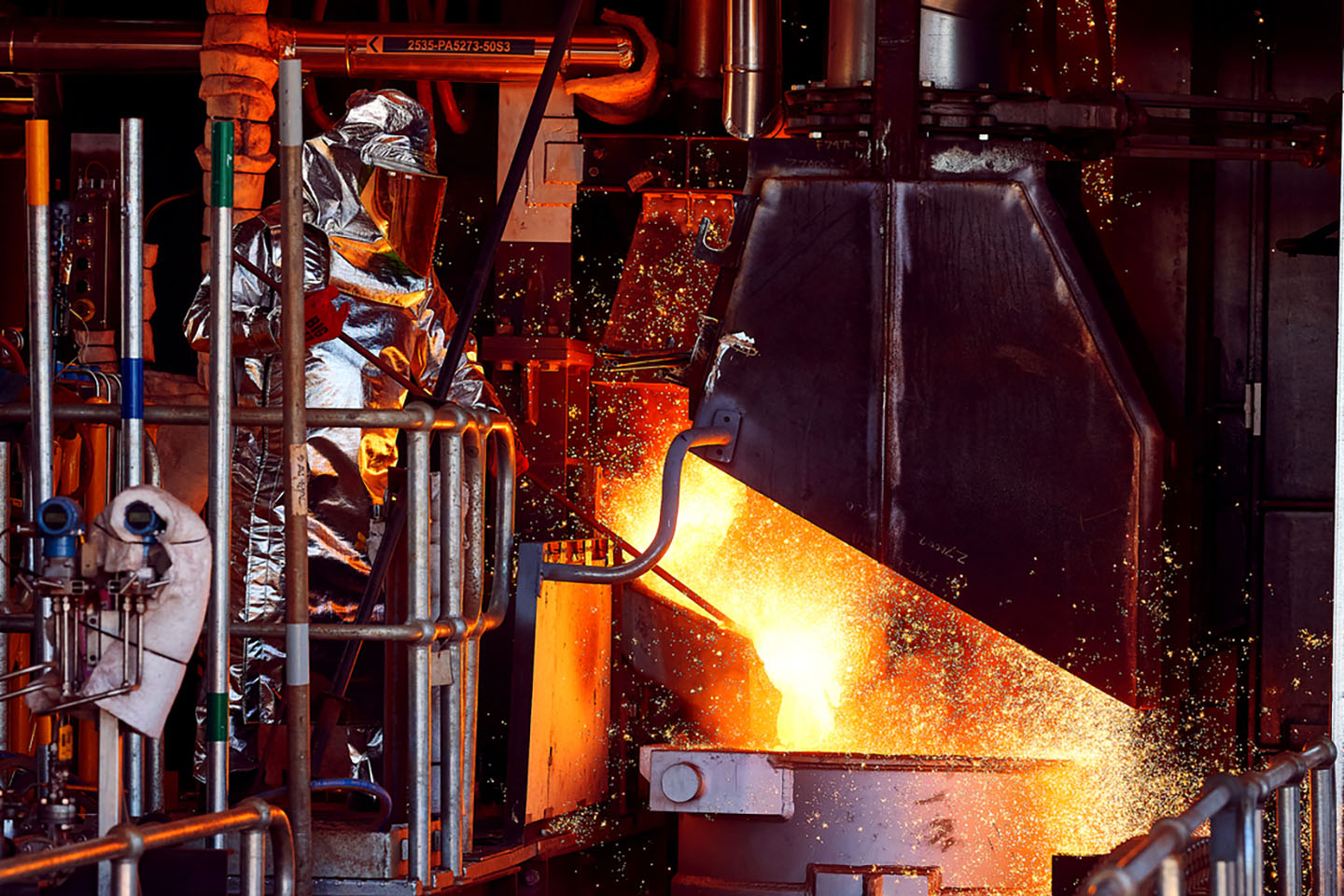
Fortescue Metals Group produced the first hot metal in two decades at its Christmas Creek site in the Pilbara, the company said. The hot metal came from its green iron project, a step toward low-emissions steelmaking that uses renewable hydrogen instead of coking coal.
Hot metal – molten iron tapped from a furnace – had not been produced in the Pilbara since the early 2000s, when BHP and Rio Tinto ran small-scale tests. Fortescue's demonstration plant at Christmas Creek uses a process that replaces coal with green hydrogen and electricity from renewable sources. The company said the trial confirmed the technical feasibility of producing high-quality iron without direct carbon emissions.
The result is a concrete marker for Fortescue's pivot from pure iron ore mining into green iron and hydrogen. The company has been testing its green iron process at a pilot plant in Western Australia since 2022. Executive Chairman Andrew Forrest has positioned green iron as the next growth driver for the group, arguing that steelmakers will pay a premium for low-carbon feedstock as carbon border taxes tighten in Europe and Asia.
Fortescue shares on the ASX traded up 1.2% on the news, though the broader market was flat. The stock has gained about 8% this year as investors weigh the cost of the green energy push against potential long-term demand for green iron. Analysts at Macquarie noted in a recent report that the green iron project carries execution risk, but that a successful trial would open a new revenue stream beyond iron ore.
The Christmas Creek site already houses Fortescue's main iron ore operations. The company said it would now assess how to scale the green iron process to commercial volumes. A decision on a larger plant is expected in the next 12 to 18 months.
Fortescue's green iron push comes as global steelmakers face pressure to cut emissions. Steel production accounts for about 7% of global CO2 emissions, and most of that comes from blast furnaces that burn coking coal. Green hydrogen-based processes can eliminate those emissions, but the technology remains expensive and unproven at scale. Fortescue's first hot metal does not solve the cost problem, but it does show the chemistry works outside a laboratory.
The company said it would release more details on the trial results in its next quarterly report.