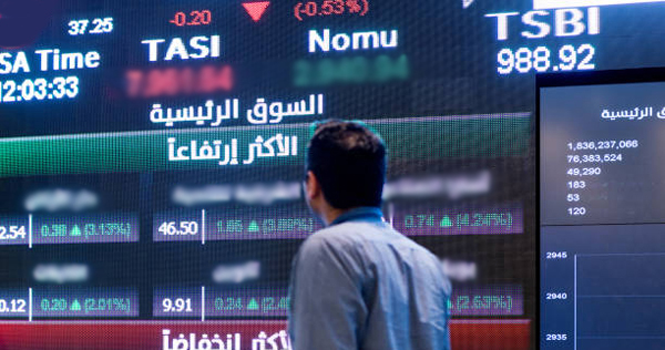
A Shift in Sentiment: Foreign Institutional Activity on TASI
The Saudi Exchange (Tadawul) witnessed a significant uptick in foreign institutional interest during the trading week ending April 9, with data confirming that foreign institutions were net buyers of approximately SAR 963 million worth of equities. This influx of capital highlights a robust appetite for Saudi-listed assets, signaling a potential shift in institutional sentiment toward the Kingdom’s capital markets.
Following a period of volatility and shifting macroeconomic conditions, the renewed institutional buying suggests that global asset managers are increasingly viewing the Saudi market as a strategic component of their emerging market allocations. The SAR 963 million figure represents a notable commitment of capital, reflecting confidence in the underlying strength of the Tadawul All Share Index (TASI) as it navigates the current fiscal year.
Understanding the Institutional Appetite
For institutional investors, the Saudi market represents a unique blend of high-growth potential, driven by the Kingdom’s Vision 2030 initiatives, and a liquid environment for large-cap exposure. Historically, foreign participation on the Tadawul has fluctuated based on oil price stability and the broader performance of the MSCI Emerging Markets Index. The recent net buying trend suggests that institutional desks are moving past regional geopolitical noise, focusing instead on the fundamental valuation of Saudi blue-chip companies.
Market analysts note that when foreign institutions engage in net buying of this magnitude, it often acts as a stabilizing force for the broader index. By providing consistent liquidity, these investors help dampen volatility, which in turn encourages local retail participation.
Market Implications: What This Means for Traders
For active traders, the concentration of capital by large institutions is a key indicator to monitor. Institutional buying typically targets sectors with strong dividend yields and those aligned with the Kingdom’s diversification efforts, such as banking, petrochemicals, and telecommunications.
Traders should watch the correlation between these net-buying figures and the performance of the TASI benchmark. If this trend of net inflows continues, it could solidify a support level for the index, potentially setting the stage for a retest of previous resistance levels. Conversely, a sudden reversal in these flows—often triggered by shifts in global central bank policy or sharp corrections in commodity prices—could lead to rapid liquidity withdrawals.
Looking Ahead: Monitoring the Flow
As the market progresses through the second quarter, the focus will remain on the sustainability of these inflows. Investors should keep a close eye on upcoming monthly disclosures from the Saudi Exchange to determine if this SAR 963 million figure represents a temporary tactical adjustment or the beginning of a sustained accumulation phase by global institutional players.
Continued monitoring of the TASI’s technical structure alongside these institutional inflow reports will be essential for those looking to capitalize on the ongoing momentum within the Saudi equity market. Market participants should remain cautious of sudden shifts in the global risk-on environment, which usually dictates the velocity of capital into and out of the MENA region.