Indices● Neutral
Middle East Tensions Trigger European Equity Sell-Off
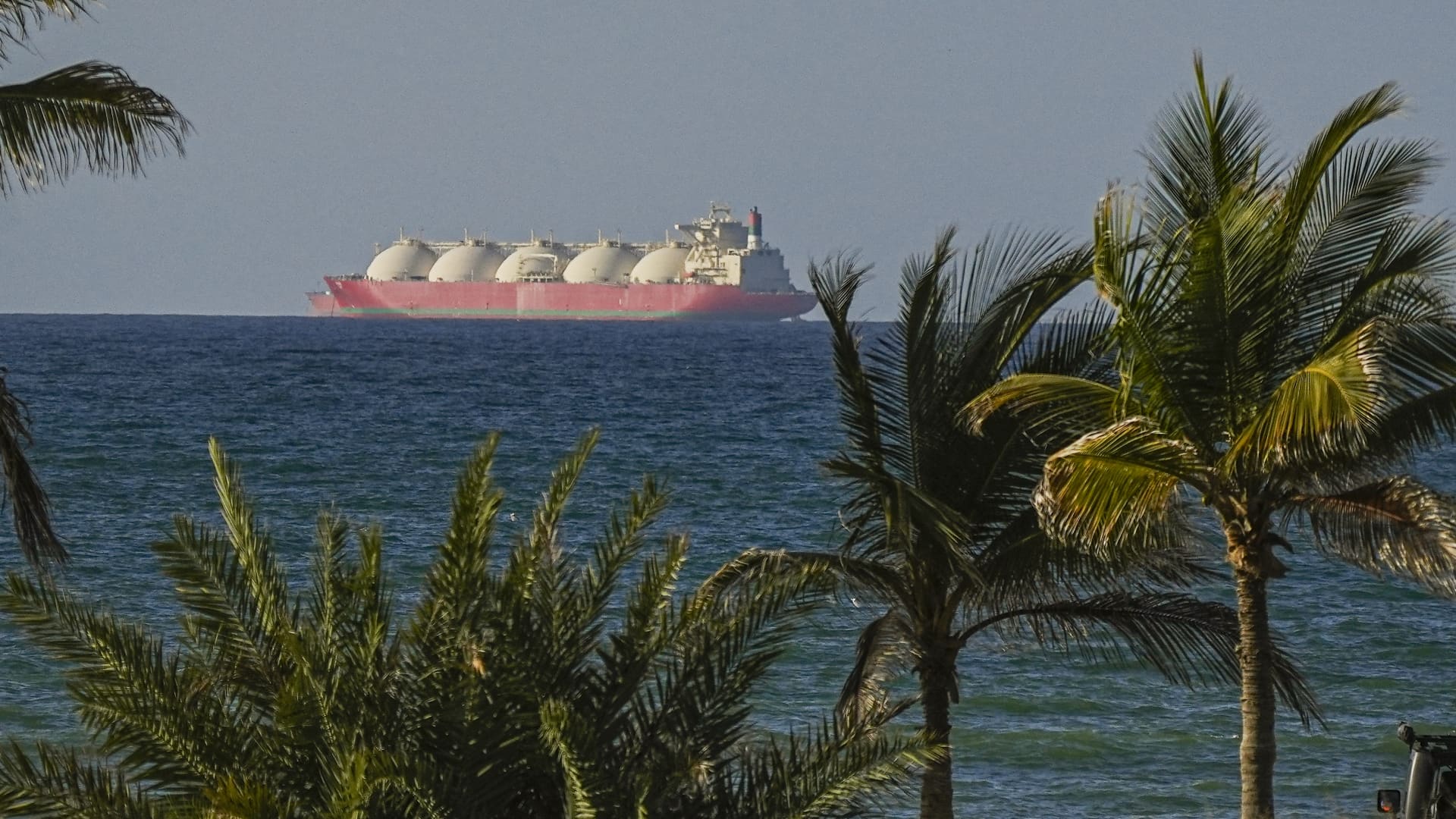
Rising geopolitical risk premiums force a flight-to-safety, with capital rotating into XAU/USD. Watch for energy volatility as the primary market catalyst.
Continue with
European Markets Face Downward Pressure
European equity markets are poised for a defensive start to the trading week as investors recalibrate their risk appetite in response to deteriorating stability in the Middle East. Futures contracts tied to major European benchmarks are signaling a lower open, reflecting a broader retreat from risk-on assets as hopes for a swift diplomatic resolution to the regional conflict appear to be diminishing.
Market participants are closely monitoring the latest developments following reports that diplomatic efforts to secure a durable peace in the region have stalled. The uncertainty is triggering a classic flight-to-safety response, with capital rotating away from equities and into traditional hedging vehicles. This shift in sentiment comes at a delicate time for European indices, which have been struggling to maintain momentum amid lingering concerns over regional economic growth and the persistence of restrictive monetary policy.
Geopolitical Volatility and the Risk Premium
For institutional traders, the current environment is defined by the re-emergence of the geopolitical risk premium. When tensions escalate in the Middle East, the immediate impact is typically felt across energy markets, which subsequently bleeds into broader equity valuations. Higher energy costs act as a tax on the European economy, threatening to reverse recent progress in cooling inflation and complicating the European Central Bank’s (ECB) path toward potential rate cuts.
"The market is currently pricing in a heightened state of uncertainty," noted one senior strategist, highlighting that the fade in peace optimism is forcing desks to reassess their exposure to cyclical sectors. Analysts point out that sectors such as airlines, tourism, and consumer discretionary are particularly sensitive to such geopolitical shocks, as these businesses are highly susceptible to both fluctuating fuel prices and diminished consumer sentiment.