Macro● Neutral
Failed US-Iran Talks: Market Risks Rise After 21-Hour Standoff
Diplomatic collapse in Islamabad signals prolonged regional instability. Watch for shifts in CL and SPX as the trust deficit keeps geopolitical risk elevated.
Continue with
The Collapse of Diplomatic Channels
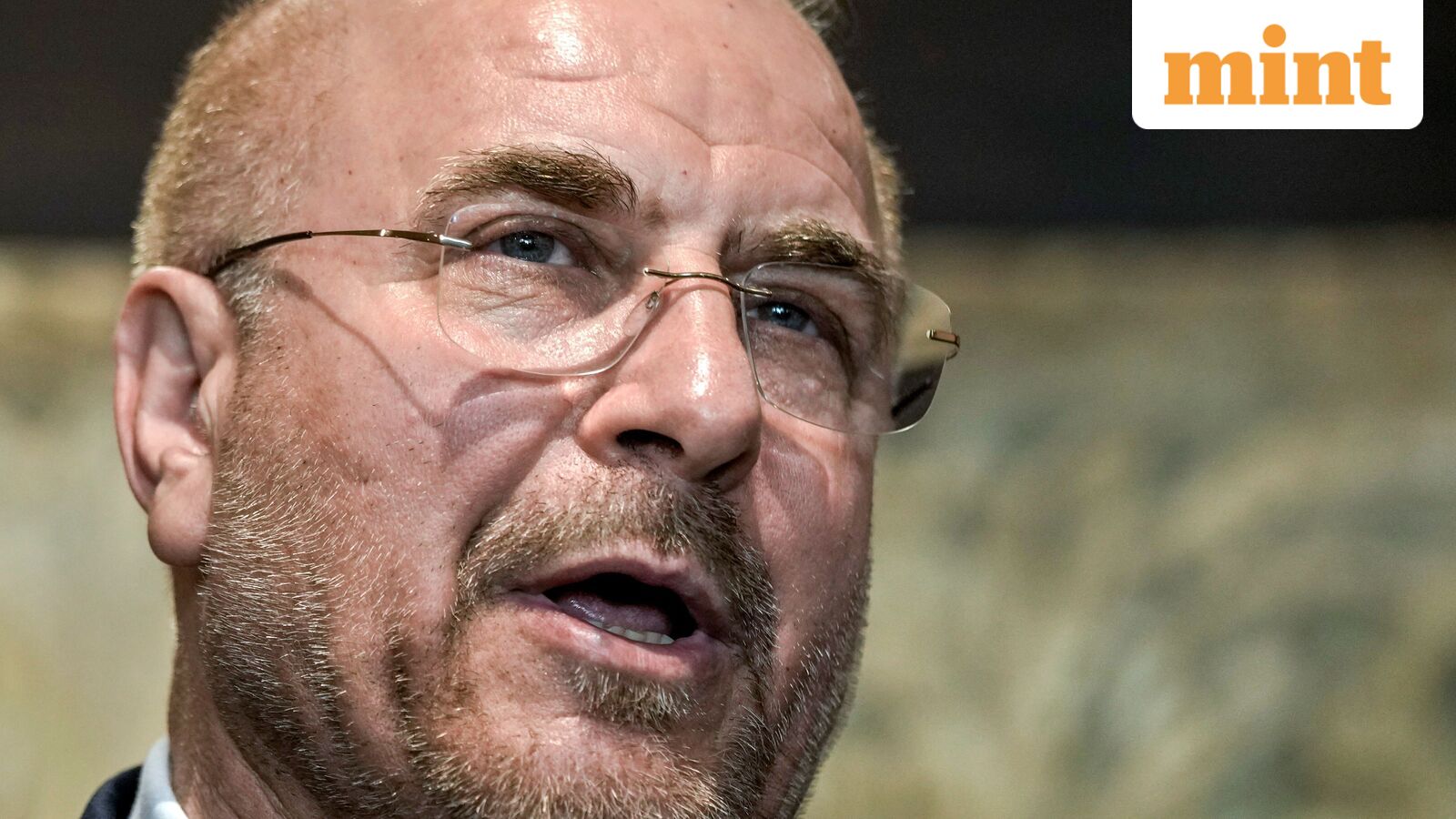
Recent high-stakes negotiations between the United States and Iran in Islamabad have concluded in a stalemate, leaving observers and market participants searching for clarity on the future of regional stability. Iranian Parliament Speaker Mohammad Bagher Ghalibaf officially addressed the breakdown of these discussions on Sunday, asserting that the primary obstacle to a breakthrough was the United States' failure to secure the trust of the Iranian delegation.
The talks, which were intensive and spanned over 21 hours of deliberation, failed to produce a joint communique or a roadmap for de-escalation. Instead, the aftermath has been characterized by finger-pointing, with both Washington and Tehran assigning blame to the other for the lack of progress.
A History of Broken Promises
For traders and macro analysts, the failure of these talks is a stark reminder of the deeply entrenched animosity that continues to cloud U.S.-Iran relations. Ghalibaf’s comments underscore a recurring theme in Iranian foreign policy: the perception that U.S. commitments are transient and subject to domestic political shifts, making long-term agreements inherently risky for Tehran.
Historically, the volatility surrounding U.S.-Iran relations has been a primary driver of geopolitical risk premiums in global markets. When diplomatic channels freeze, the immediate reaction is often a flight to safety in traditional safe-haven assets. The failure of these specific talks in Islamabad highlights that despite back-channel efforts to normalize communication, the fundamental trust deficit remains the largest hurdle to any form of rapprochement.