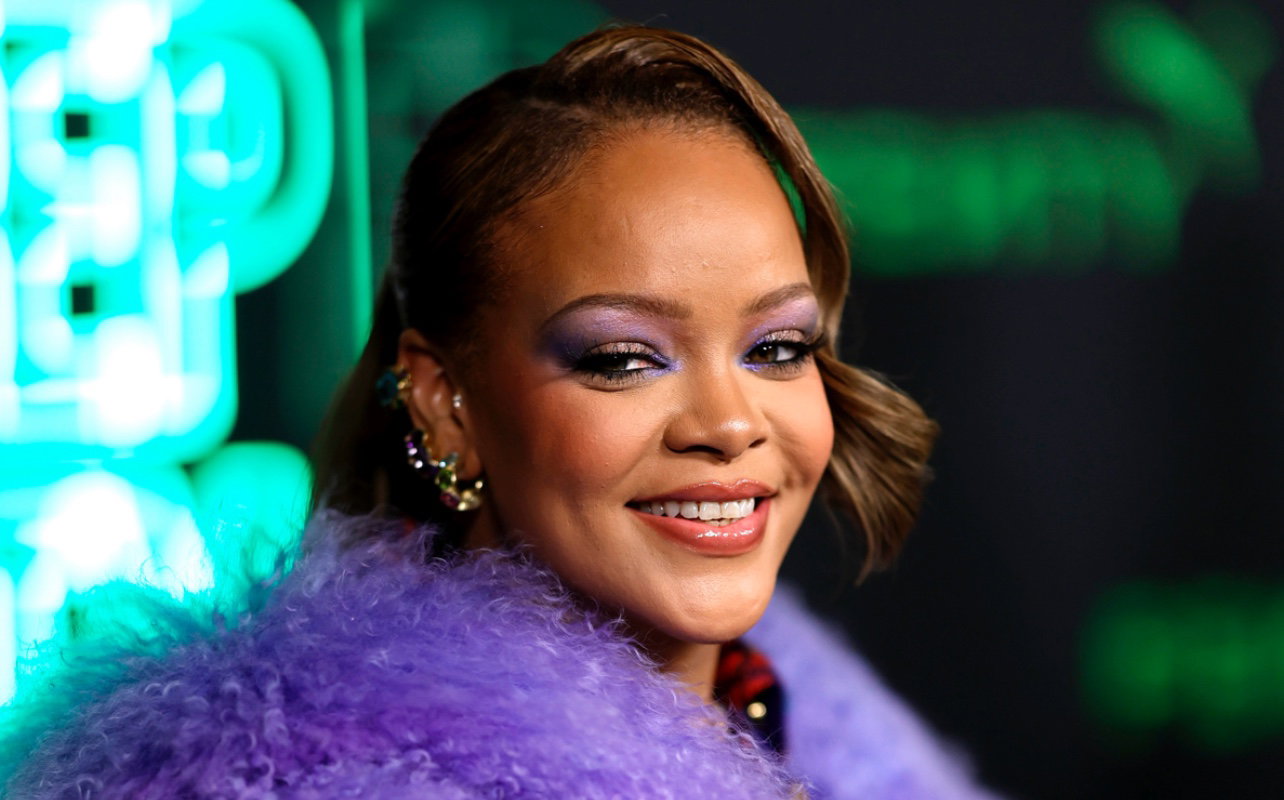
Rihanna’s direct involvement at a Fenty Beauty pop-up event in Mumbai marks a significant shift in the brand’s international distribution strategy. By engaging directly with the Indian consumer base, the company is moving beyond traditional digital-first marketing to establish a physical footprint in one of the world’s fastest-growing beauty markets. This move highlights a broader trend among high-end consumer brands seeking to capture emerging middle-class demand through localized engagement.
Scaling Brand Presence in Emerging Markets
The decision to prioritize physical interaction in India suggests that Fenty Beauty is transitioning from a global e-commerce model to a more nuanced regional strategy. While many beauty brands rely on third-party retail partnerships, the focus on direct-to-consumer pop-ups allows the company to control the brand narrative and gather immediate feedback on product performance across diverse skin tones. This approach is critical for a brand built on the premise of inclusivity, as it requires localized testing to maintain its competitive advantage against established global incumbents.
For the broader consumer cyclical sector, this expansion serves as a case study in how celebrity-backed brands are leveraging personal influence to bypass traditional advertising hurdles. The ability to generate organic demand through high-profile appearances reduces the reliance on expensive, broad-spectrum marketing campaigns. Investors should monitor whether this localized strategy results in a measurable increase in regional market share or if it remains a niche marketing exercise.
Sector Read-through and Valuation Dynamics
Consumer brands with high celebrity association often face unique valuation challenges, as their growth is frequently tied to the public profile of the founder. While Fenty Beauty operates within a private structure, its expansion efforts provide a useful barometer for the health of the premium cosmetics industry. Competitors in the space are watching closely to see if the Indian market can sustain the price points required for premium positioning, especially as local competition intensifies.
In the context of broader market performance, investors often look to companies like Amer Sports, Inc. (AS stock page) to gauge how consumer cyclical firms manage the balance between global brand recognition and regional execution. While Fenty Beauty is not a public entity, its operational shifts influence the competitive landscape for publicly traded beauty and personal care conglomerates. Our current data reflects a mixed outlook for several consumer-facing firms, with AS holding an Alpha Score of 47/100.
The Path to Regional Sustainability
The next concrete marker for this expansion will be the announcement of permanent retail partnerships or dedicated distribution centers within India. If the brand successfully transitions from temporary pop-up events to a sustained retail presence, it will likely trigger a shift in how international beauty brands allocate capital toward the South Asian market. Future filings from retail partners or logistics providers will serve as the primary indicator of whether this expansion is achieving the necessary scale to impact long-term revenue growth. Monitoring these logistical developments is essential for understanding the brand's ability to maintain its momentum beyond the initial launch phase.