Fed's Hammack, Kashkari: Now Is the Time to Act on Inflation
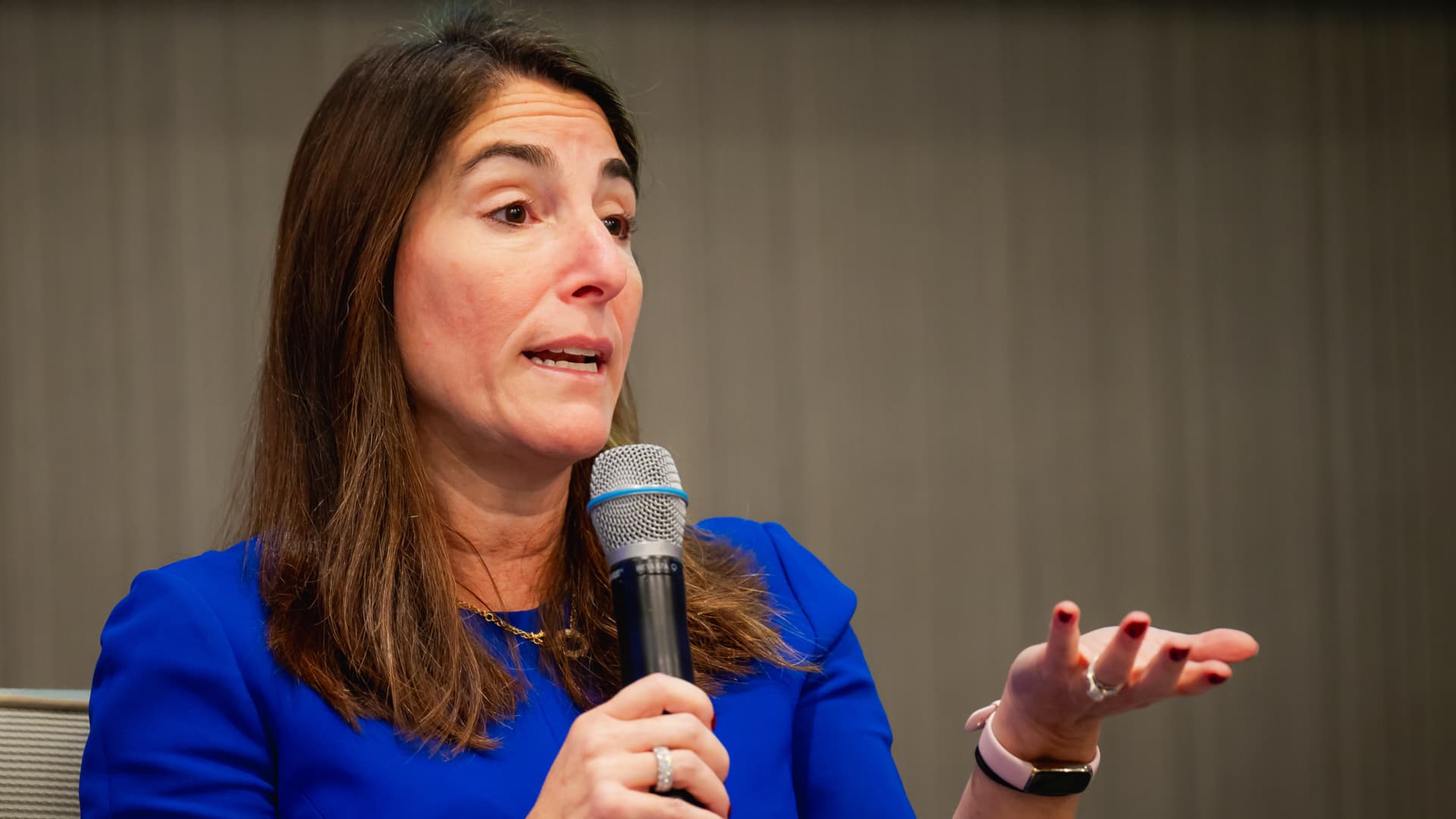
Three Fed officials dissented against the rate hold. Hammack and Kashkari said Friday the time to act is now, warning waiting makes the inflation fight costlier.
Alpha Score of 67 reflects moderate overall profile with strong momentum, strong value, weak quality, moderate sentiment.
Three Federal Reserve officials who voted against this week's decision to hold interest rates steady argued Friday that the time to tighten is now. Cleveland Fed President Beth Hammack and Minneapolis Fed President Neel Kashkari issued statements explaining their dissent, joining Dallas Fed President Lorie Logan in a 9-3 vote that kept the Fed's key overnight borrowing rate in a range between 3.5% and 3.75%.
The rate has stayed there all year following a series of three cuts in the latter part of 2025. Inflation has held above the Fed's 2% target for more than five years. Price increases spiked again this year after the Iran war and President Donald Trump's tariffs pushed costs higher. A brief easing in June, when Middle East tensions briefly cooled, gave way to rising energy costs.
Consumer spending has remained resilient, though lower-income households are showing signs of strain. The housing market has cooled sharply as mortgage rates stay elevated. The labor market remains tight, with wage growth running above what most Fed officials consider consistent with 2% inflation.
The 9-3 vote is the most public display of division on the FOMC this year. A quarter of the voting committee broke with the majority. Kashkari, who has historically leaned dovish, was among them. The next FOMC meeting is scheduled for September.
"In my view, now is the time for the [Federal Open Market Committee] to act to speed the return of PCE inflation to our 2 percent objective and deliver on our commitment to price stability for the American people," Hammack said. "The longer that high inflation persists, the more challenging and costly it can be to bring it back down."
Kashkari said he favors small hikes now to avoid larger moves later. "In my view, a potential series of small policy moves would be better than waiting and eventually concluding that even bolder actions were necessary."
Fed Chairman Kevin Warsh voted in favor of the hold. He said the committee understands that five-plus years of inflation above target cannot be cured quickly. "We have begun a new chapter, and we understand that the five-plus years of inflation above target cannot be cured in nine weeks – or by a single month of modest price decreases," he said.
Hammack said she is "not confident it will return to our objective on its own." Supply-side factors, including energy prices, have boosted inflation this year. "I see inflationary pressures coming from the demand side of the economy, as well," she added.
Supply-driven inflation often fades on its own. Demand-driven inflation typically requires the Fed to raise rates to cool the economy.
Hammack said her constituents in the Cleveland area have been describing pricing pressures as broadening rather than fading. "Consumers are expressing despair over persistently higher prices," she said.
Drafted by a large language model from the source reporting linked above, then screened by automated publishing checks. It is not read by a journalist before publication. Some articles cite our Alpha Score. Verify prices and figures against the original source. Educational coverage, not personalized advice.