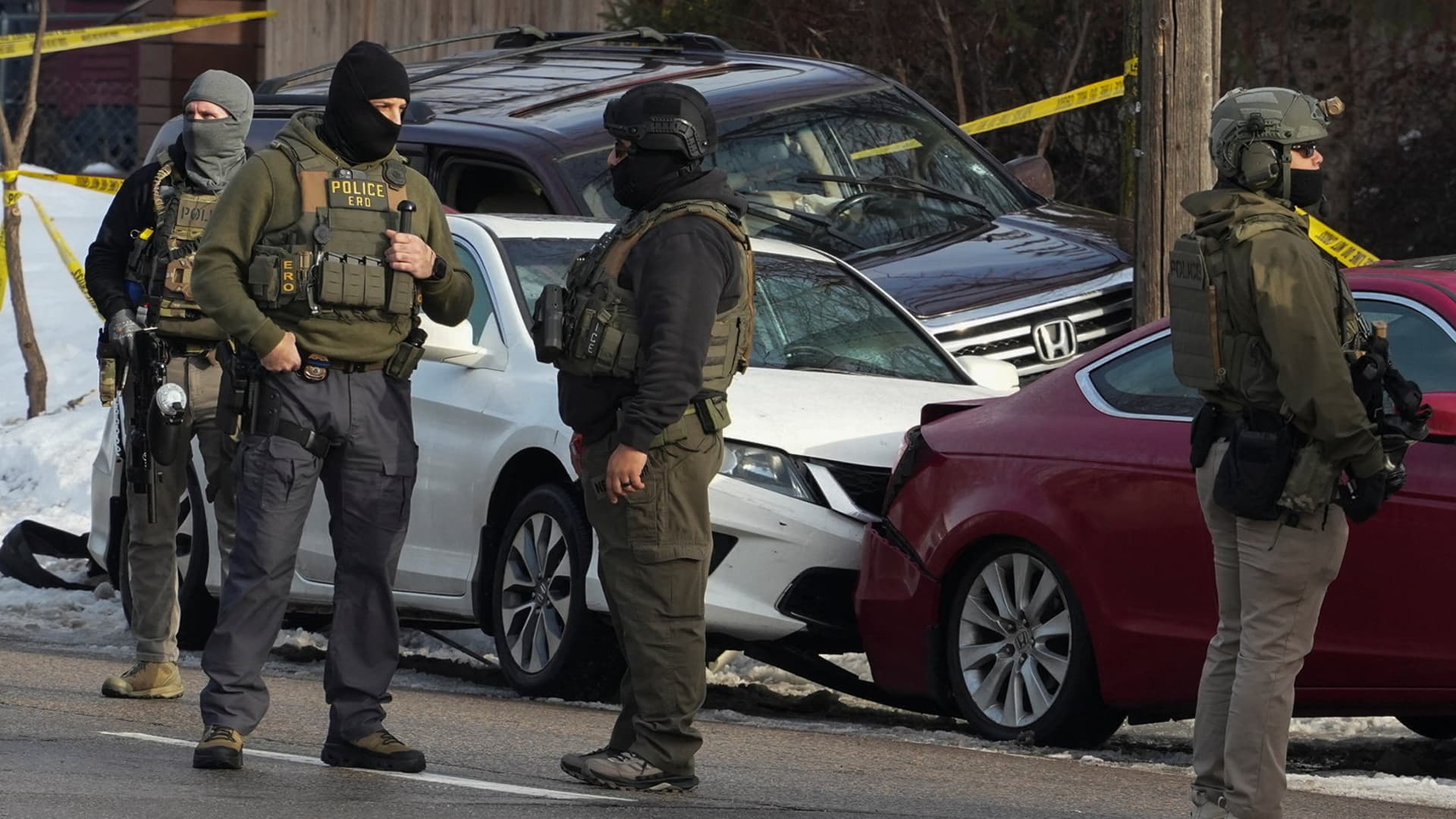
Minnesota state prosecutors have filed assault charges against an Immigration and Customs Enforcement (ICE) agent, resulting in an active arrest warrant. The legal action follows an ongoing investigation into the deaths of Renee Good and Alex Pretti, who were killed during a federal operation in Minneapolis.
Prosecutors Move Against Federal Personnel
The decision by state-level authorities to charge a federal officer marks a rare escalation in the oversight of federal law enforcement activities. While federal agencies often operate under their own jurisdictional protections, the Minnesota prosecutor's office has opted to pursue criminal charges, signaling a shift in how local authorities handle lethal encounters involving federal agents. The issuance of an arrest warrant for the agent suggests that investigators have gathered sufficient evidence to bypass initial departmental reviews and move directly toward a judicial process.
Legal and Operational Context
The incident involving Good and Pretti has prompted intense scrutiny of ICE tactical protocols in urban environments. State prosecutors are currently building a case that centers on the specific conduct of the agent at the scene, rather than the broader policy mandates of the federal agency. This development adds a layer of complexity to future federal-state cooperation, as local law enforcement agencies may now feel empowered to challenge the conduct of federal counterparts more aggressively.
| Case Element | Status |
|---|
| Charges Filed | Assault |
| Investigation | Ongoing |
| Arrest Warrant | Issued |
| Primary Focus | Conduct of federal agent |
Market and Institutional Implications
For traders and institutional observers, this case highlights potential friction points in federal-state relations that can impact municipal risk profiles. While this is primarily a legal matter, prolonged investigations of this nature often lead to policy shifts within federal agencies, potentially affecting staffing levels or operational budgets for internal security departments.
Investors looking at broader market analysis should monitor whether this legal challenge sets a precedent for how federal assets are deployed in urban centers. Increased oversight often correlates with higher compliance costs and slower operational speeds for federal entities. If this prosecution results in a conviction, it could lead to a reassessment of federal immunity standards, creating a ripple effect across government-contracted security firms and public sector insurance providers.
What to Watch
- The timing of the agent's surrender or apprehension.
- Any potential intervention by the Department of Justice to move the case to federal court, as this would likely suspend or alter the state-level proceedings.
- Statements from the Department of Homeland Security regarding internal disciplinary actions taken against the individuals involved.
This case remains a focal point for those tracking the intersection of federal authority and state-level criminal justice. The outcome will likely dictate the willingness of local prosecutors to challenge federal agents in future high-profile incidents.