Macro● Neutral
Fed Minutes: Many Officials See Need for Rate Hike if Inflation Persists
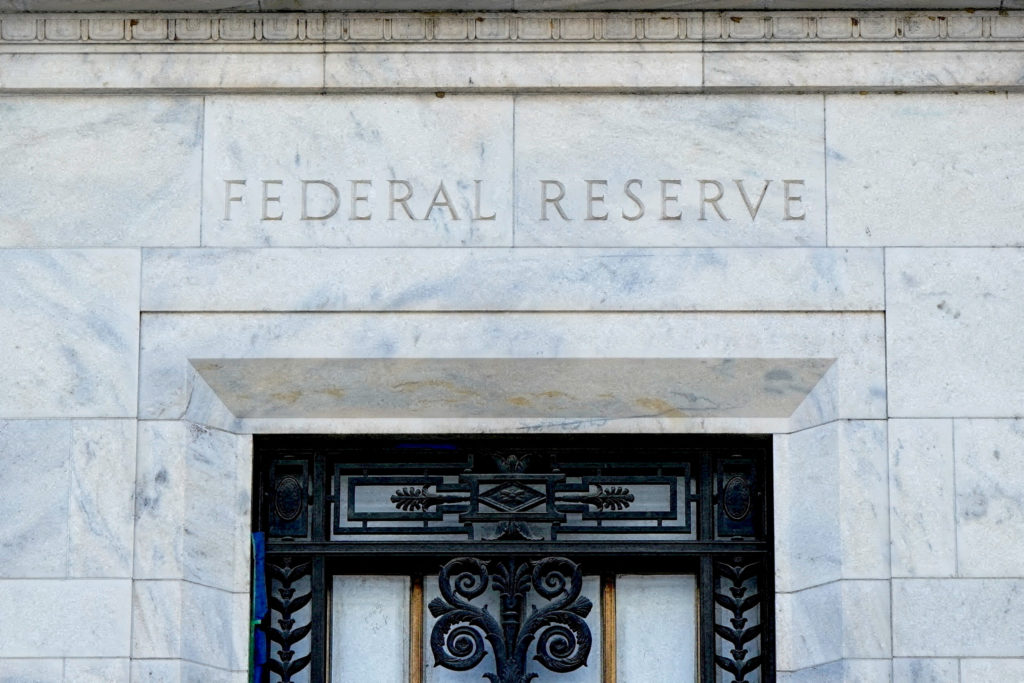
Minutes from the Fed's July meeting show a majority of officials believe higher rates may be needed if inflation does not cool. The 10-year yield touched 4.7% as markets price in a potential December hike.
Continue with
Many Federal Reserve officials think the central bank will need to raise its key short-term interest rate in the coming months if inflation does not decline, according to minutes of the July 28-29 meeting released Wednesday. The document does not specify how many of the 19 officials supported higher rates. Only 12 of those policymakers vote on the outcome. The committee voted 9-3 to hold the benchmark rate at about 3.6%.
Officials focused on stubborn inflation. They worried that tariffs and heavy investment in AI infrastructure were boosting prices across a range of goods and services. "Participants judged that their inflation outlooks were highly uncertain and that inflation risks were skewed to the upside," the minutes said. "Many participants assessed that [higher rates] would likely be necessary if inflation did not decline."
Some officials pointed out that "even after excluding prices of items most directly affected by tariffs and energy prices, underlying inflation appeared to be elevated," the minutes said.
Since the meeting, inflation has shown some signs of cooling. Excluding volatile food and energy categories, core prices rose 2.5% in July from a year ago, according to the consumer price index. The Fed pays more attention to a separate gauge, the personal consumption expenditures price index. Core PCE prices are expected to have risen 3.3% in July from a year ago, a much hotter reading. Those figures are due Aug. 26.