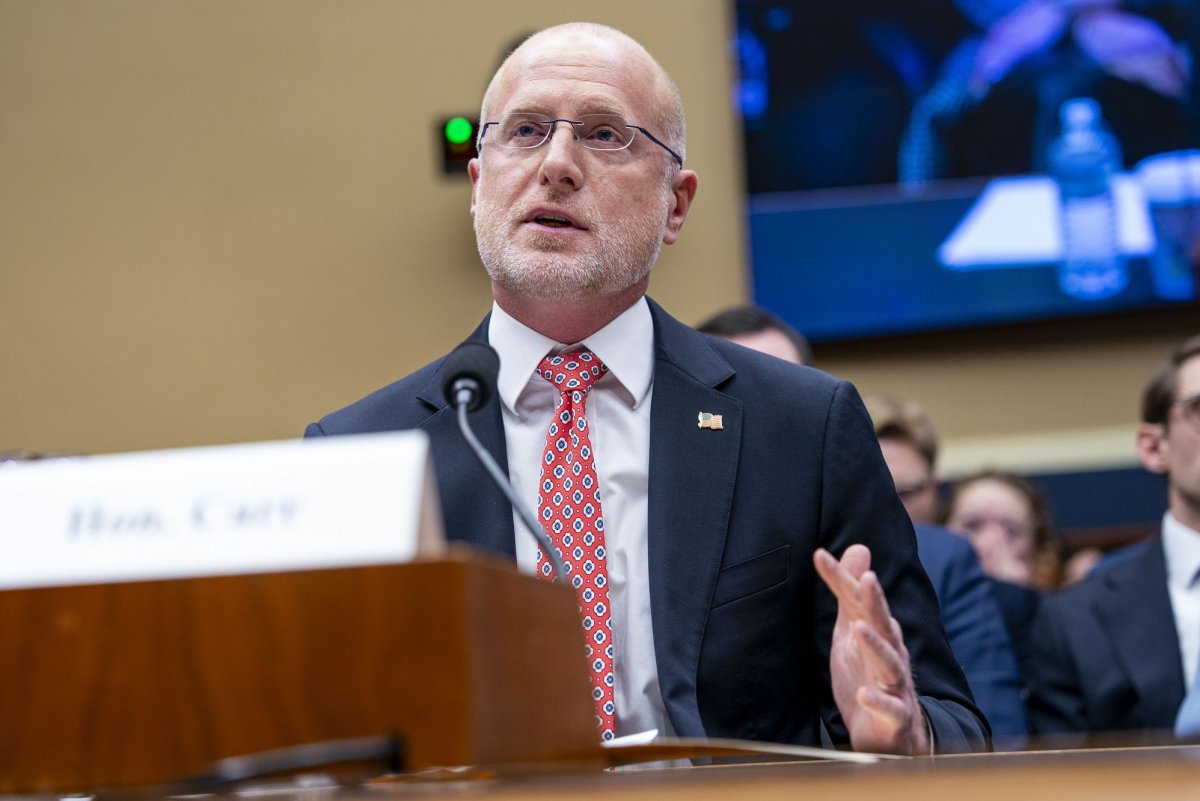
The Federal Communications Commission has initiated a formal review of broadcast licenses held by The Walt Disney Company. This regulatory action follows public pressure regarding content aired on the network, specifically targeting comments made by late-night host Jimmy Kimmel. The move marks a shift in the oversight environment for major media conglomerates, as the commission evaluates the conduct of license holders in relation to public interest standards.
Regulatory Oversight and Broadcast Licensing
The FCC review process focuses on the obligations of entities that operate under federal broadcast licenses. While license renewals are typically routine, the intervention of the commission in response to specific programming content introduces a layer of operational uncertainty for Disney. The inquiry centers on whether the network's editorial choices align with the regulatory expectations set by the commission. This development forces a re-evaluation of how media companies manage talent and programming in an increasingly polarized political climate.
For Disney, the primary concern is the potential impact on its portfolio of local broadcast stations. These assets are integral to the company's broader media strategy, serving as both revenue generators and distribution channels for national content. Any disruption to the licensing status of these stations could complicate the company's long-term distribution agreements and advertising partnerships. The current regulatory posture suggests that content-related complaints are now being treated with higher priority by commission leadership.
Sector Impact and Valuation Context
The broader communication services sector faces a period of heightened scrutiny regarding the intersection of content production and federal regulation. Investors are monitoring whether this review sets a precedent for other media entities that rely on broadcast spectrum. The uncertainty surrounding license stability often leads to a risk premium being applied to companies with significant exposure to traditional television assets.
AlphaScala data currently assigns DIS an Alpha Score of 46/100, reflecting a mixed outlook as the company navigates these regulatory headwinds alongside its ongoing transition to digital streaming models. This score underscores the volatility inherent in balancing legacy broadcast operations with the demands of modern media consumption. The company's ability to maintain its licensing footprint will be a critical factor in stabilizing its valuation as it balances these external pressures.
The Path to Resolution
The next concrete marker for this situation is the formal response from Disney to the FCC inquiry. The company must demonstrate that its programming practices remain within the bounds of its license agreements. Any subsequent findings by the commission will determine if further enforcement actions, such as fines or more stringent oversight conditions, are necessary. Market participants will look for clarity on whether this review remains limited to specific programming or if it signals a broader shift in how the commission monitors network content. The outcome will likely influence the risk assessment for other major broadcasters as they prepare for their own upcoming license renewal cycles. This case serves as a reminder of the regulatory leverage held by federal agencies over the media landscape.