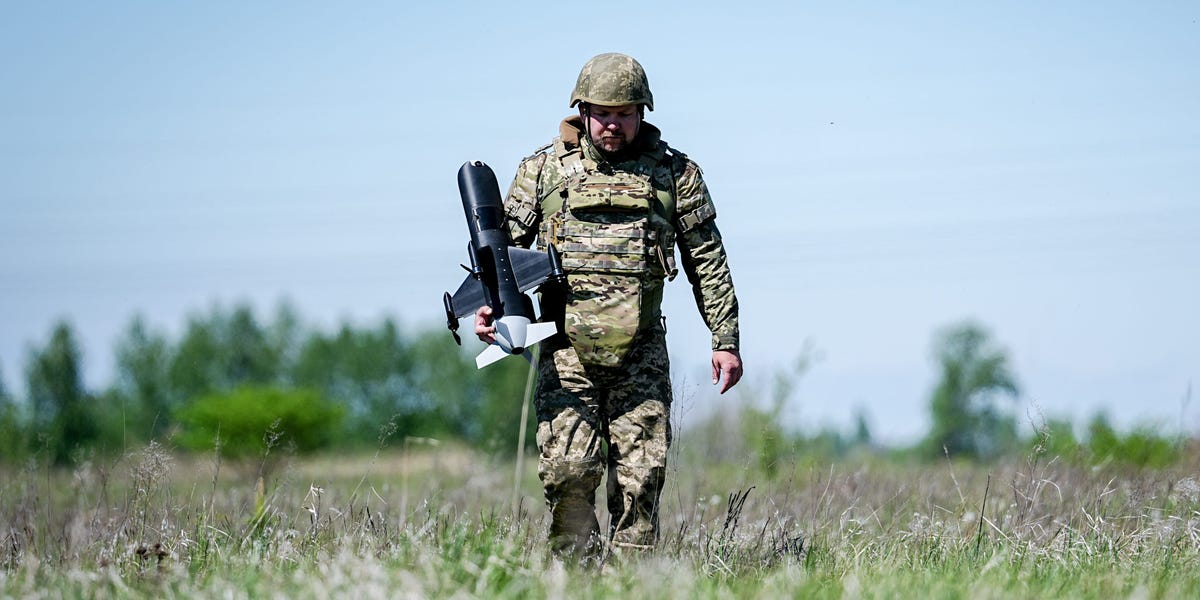
Ukraine's defense leadership confirmed that Russia has begun deploying a new jet-powered attack drone in response to the growing effectiveness of Ukrainian interceptor drones. The admission marks a tactical escalation in the drone war that carries direct implications for defense contractors and procurement timelines.
The Tactical Shift in Drone Warfare
Ukraine has used inexpensive first-person-view (FPV) drones to intercept Russian reconnaissance and loitering munitions with increasing success. Moscow's answer is a faster, jet-powered platform that can outrun those interceptors. The shift from propeller-driven to jet-powered drones reduces engagement windows for counter-drone systems. Faster targets require quicker sensor response and harder-hitting kinetic or directed-energy interceptors.
Ukraine says it is already developing a countermeasure. The timeline for fielding an effective reply remains uncertain. What is clear is that each adaptation forces a response, and each response consumes defense budgets and R&D cycles. The drone arms race has entered a phase where speed becomes the decisive variable.
Defense Contractors with C-UAS Exposure
The development directly affects companies with exposure to counter-drone, electronic warfare, and advanced interceptor programs. Lockheed Martin produces the ATHENA laser system and the AGM-114 Hellfire for drone elimination. RTX fields the Coyote drone-killer and the Phalanx radar-guided gun. Kratos Defense & Security Solutions makes the BQM-177A target drone and the XQ-58A combat drone, positioning it on both sides of the arms race.
A faster Russian drone makes existing counter-drone solutions less effective. That creates urgency for government contracts to upgrade or replace current systems. The Pentagon's Counter-Unmanned Aerial Systems (C-UAS) budget request already faces pressure to accelerate spending. Any field failure of current interceptors could trigger emergency procurement or supplemental appropriations.
For traders, the read-through is straightforward but not immediate. Defense primes rarely spike on single tactical reports unless the news accompanies a contract award. The value here is in reconfirming a long-term exposure thesis: drone warfare is not a passing trend. Every tactical adaptation by Russia or Ukraine forces NATO allies to reassess their own inventories and procurement timelines.
Budget and Procurement Implications
Two events will test whether this catalyst translates into real demand. First, the next National Defense Authorization Act (NDAA) markup cycle, where specific C-UAS line items are debated. Second, any emergency Foreign Military Sales (FMS) request from Ukraine for advanced interceptor drones or directed-energy systems.
Investors watching the Global X Defense ETF or individual names should treat this as a data point in a longer trend, not a trade trigger. The stronger conviction signal would be a U.S. or allied military request for proposal (RFP) specifically citing jet-powered drone threats. Until then, the pragmatic stance is to maintain existing defense positions and monitor the next budget cycle.
This story also reinforces a broader theme: asymmetric warfare accelerates hardware upgrades faster than peacetime procurement ever does. That dynamic benefits contractors with proven field-ready systems over those with purely speculative platforms.
For more on how defense spending patterns affect broader markets, see our stock market analysis.