Back to Markets
Stocks● Neutral

EVgo Charging Infrastructure Strategy Faces Extended Path to Cash Flow Breakeven

EVgo Charging Infrastructure Strategy Faces Extended Path to Cash Flow Breakeven
PATHONHUBSASEVGO

EVgo's updated timeline for cash flow positivity pushes expectations to 2031, forcing a shift in focus toward long-term infrastructure scaling and DCFC utilization rates.

AlphaScala Research Snapshot
Live stock context for companies directly referenced in this story
Technology
Alpha Score
58
Moderate

Alpha Score of 58 reflects moderate overall profile with poor momentum, strong value, strong quality, moderate sentiment.

Alpha Score
46
Weak

Alpha Score of 46 reflects weak overall profile with strong momentum, poor value, poor quality, moderate sentiment.

Technology
Alpha Score
35
Weak

Alpha Score of 35 reflects weak overall profile with poor momentum, poor value, moderate quality, moderate sentiment.

Consumer Cyclical
Alpha Score
47
Weak

Alpha Score of 47 reflects weak overall profile with moderate momentum, poor value, moderate quality. Based on 3 of 4 signals — score is capped at 90 until remaining data ingests.

This panel uses AlphaScala-native stock data, separate from the source wire linked above.

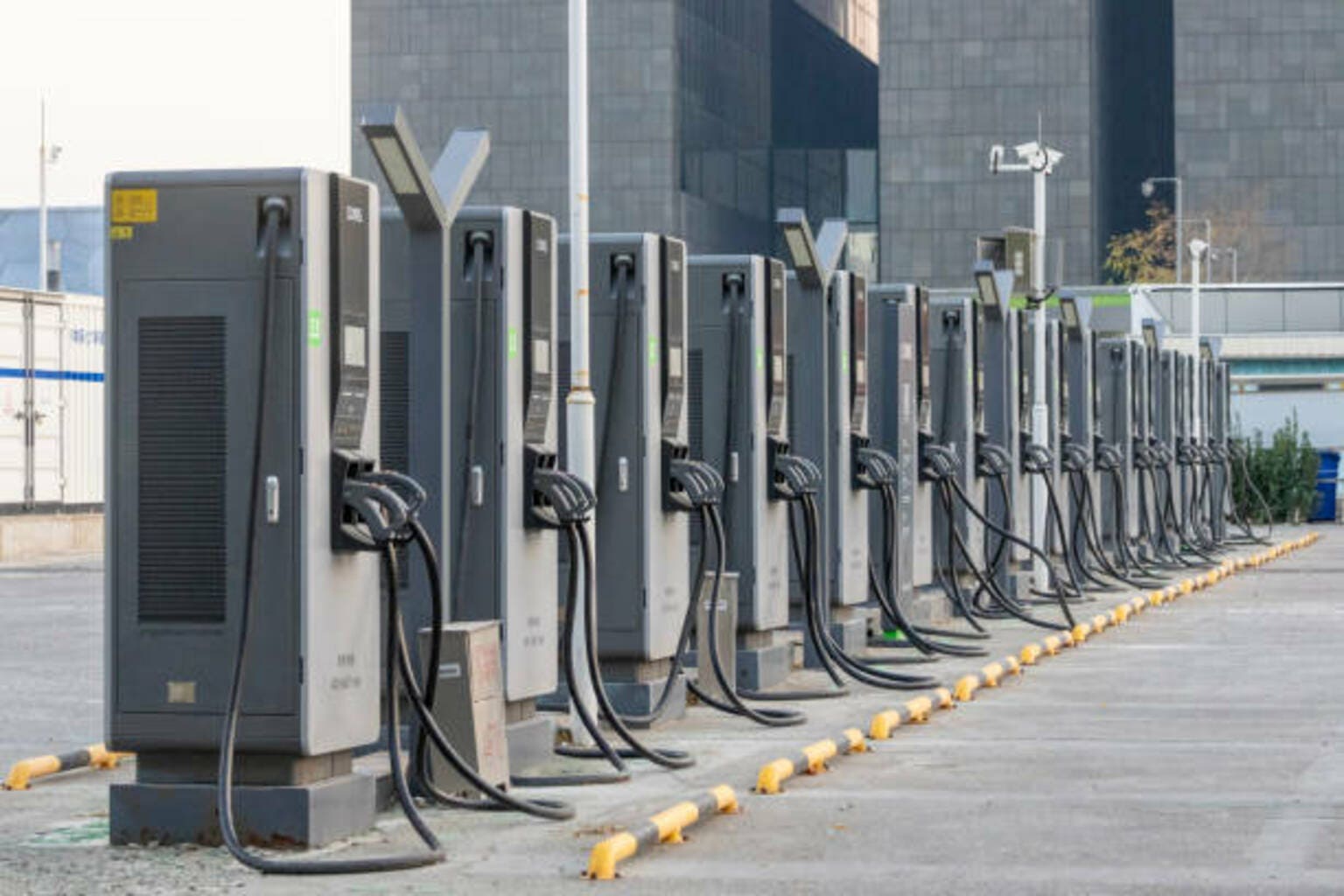
EVgo has signaled that its path to positive cash flow will extend into 2031, shifting the investment narrative from near-term operational profitability to long-term infrastructure scaling. The company maintains a strategic focus on direct current fast charging, or DCFC, infrastructure. By prioritizing high-speed charging hubs, the firm aims to decouple its revenue trajectory from the immediate fluctuations in consumer electric vehicle adoption rates.

Infrastructure Scaling and Revenue Decoupling

The core of the current business model rests on the deployment of high-capacity charging stations. Unlike residential or slower charging solutions, DCFC technology serves as a critical utility for commercial fleets and high-mileage drivers. This focus allows the company to capture revenue based on utilization rates rather than relying solely on the pace of new vehicle sales. The decision to prioritize this segment suggests a long-term commitment to capturing market share in the utility-like charging space.

However, the extended timeline for cash flow positivity highlights the capital-intensive nature of building out a national charging network. The company must balance the high costs of hardware installation and grid connectivity against the gradual growth of the active electric vehicle fleet. This strategy requires consistent access to capital to fund the expansion of its footprint while waiting for utilization rates to reach the necessary thresholds for self-sustaining operations.

Sector Read-through and Capital Allocation

The broader charging sector remains in a phase of heavy capital expenditure. As companies like EVgo navigate the transition from early-stage deployment to mature network management, the primary challenge remains the efficiency of site selection and power management. Investors looking at the broader stock market analysis must weigh the potential for long-term utility-style returns against the reality of a multi-year runway before the business model generates excess cash.

AlphaScala data currently tracks various firms across the industrial and technology sectors, including BE stock page, which holds an Alpha Score of 46/100 and a Mixed label. Similar to the charging infrastructure space, these industrial players face significant hurdles in scaling operations while managing the high costs associated with energy-related hardware deployment.

The Path to Operational Maturity

The next concrete marker for the company will be the reporting of site utilization metrics and the efficiency of capital deployment in upcoming quarterly filings. Investors should monitor the relationship between the growth of the installed base and the corresponding increase in revenue per stall. If the company can demonstrate that its existing hubs are reaching higher utilization tiers, it may provide evidence that the long-term thesis remains intact despite the delayed timeline for cash flow positivity.

Future updates regarding government infrastructure grants and partnerships with commercial fleet operators will serve as critical indicators of the company's ability to offset its high capital requirements. The transition toward a more mature, revenue-generating network will likely depend on the company's success in securing high-traffic locations that guarantee consistent throughput. The ability to maintain this pace of expansion without excessive dilution remains the primary hurdle for the next several fiscal cycles.

How this story was producedLast reviewed Apr 28, 2026

AI-drafted from named sources and checked against AlphaScala publishing rules before release. Direct quotes must match source text, low-information tables are removed, and thinner or higher-risk stories can be held for manual review.

Editorial Policy·Report a correction·Risk Disclaimer