Stocks● Neutral
Evergrande Founder Pleads Guilty to $300B Fraud Scheme
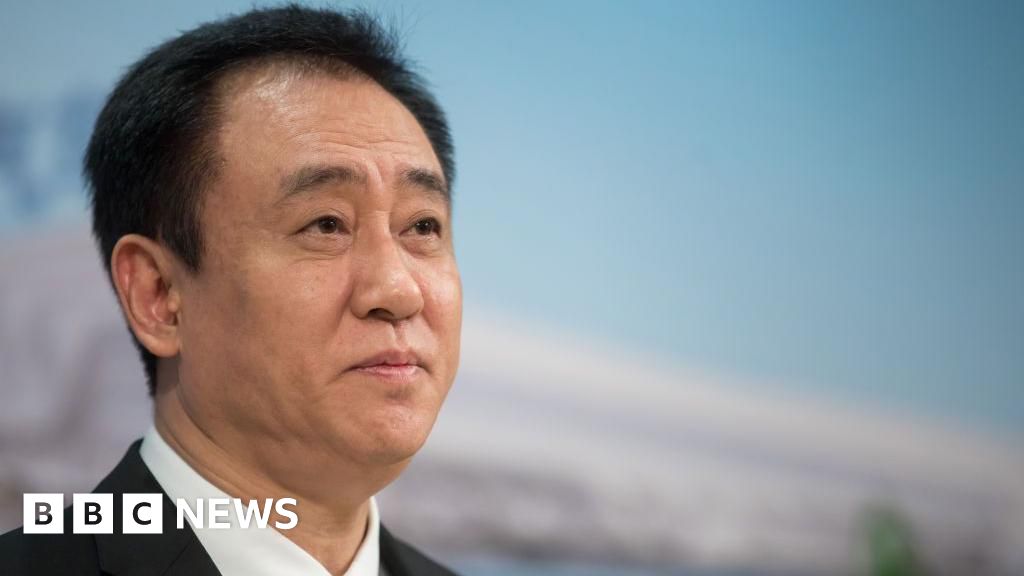
Hui Ka Yan admits to massive fundraising fraud and bribery as the developer undergoes liquidation. Watch for sentencing to signal future sector crackdowns.
Continue with
The Fall of a Property Giant
Hui Ka Yan, the founder of China's property developer Evergrande, has pleaded guilty to charges of fundraising fraud and bribery. The admission marks a critical moment in the collapse of a company once regarded as a pillar of the Chinese real estate sector.
Authorities accused Hui of orchestrating a massive financial deception. The case centers on how the firm managed its capital and interacted with regulators during its period of rapid expansion. Evergrande, which once held $300 billion in liabilities, became the face of the liquidity crisis that continues to ripple through the domestic economy.
Legal Challenges Facing Evergrande
The charges against Hui include:
- Fundraising fraud: Misleading investors regarding the company's financial health.
- Bribery: Using illicit payments to secure business advantages or favorable treatment.
These actions allowed the firm to accumulate debt at an unsustainable rate. Investors who once viewed the developer as a safe harbor now face total losses as the company undergoes liquidation proceedings. The market analysis suggests that the fallout from this collapse remains a primary concern for institutional investors tracking Chinese debt.