The European Commission has introduced the AccelerateEU framework to stabilize regional energy markets following supply chain disruptions linked to the conflict involving Iran. The initiative focuses on the optimization of jet fuel distribution across member states, aiming to insulate the aviation sector from potential volatility in refined product availability. By streamlining logistics and cross-border fuel movement, the Commission seeks to prevent localized shortages that often arise when geopolitical tensions threaten traditional maritime transit corridors.
Refined Product Logistics and Distribution
The primary objective of the AccelerateEU measures is the reallocation of existing jet fuel inventories to areas facing the highest risk of supply bottlenecks. Member states are now tasked with coordinating storage levels to ensure that aviation hubs remain operational despite potential delays in tanker arrivals. This shift toward centralized distribution oversight marks a departure from standard market-driven procurement, prioritizing regional energy security over individual national inventory management. The framework mandates that infrastructure operators provide real-time data on terminal capacity to facilitate the rapid redirection of supplies.
Geopolitical Risk and Transit Corridors
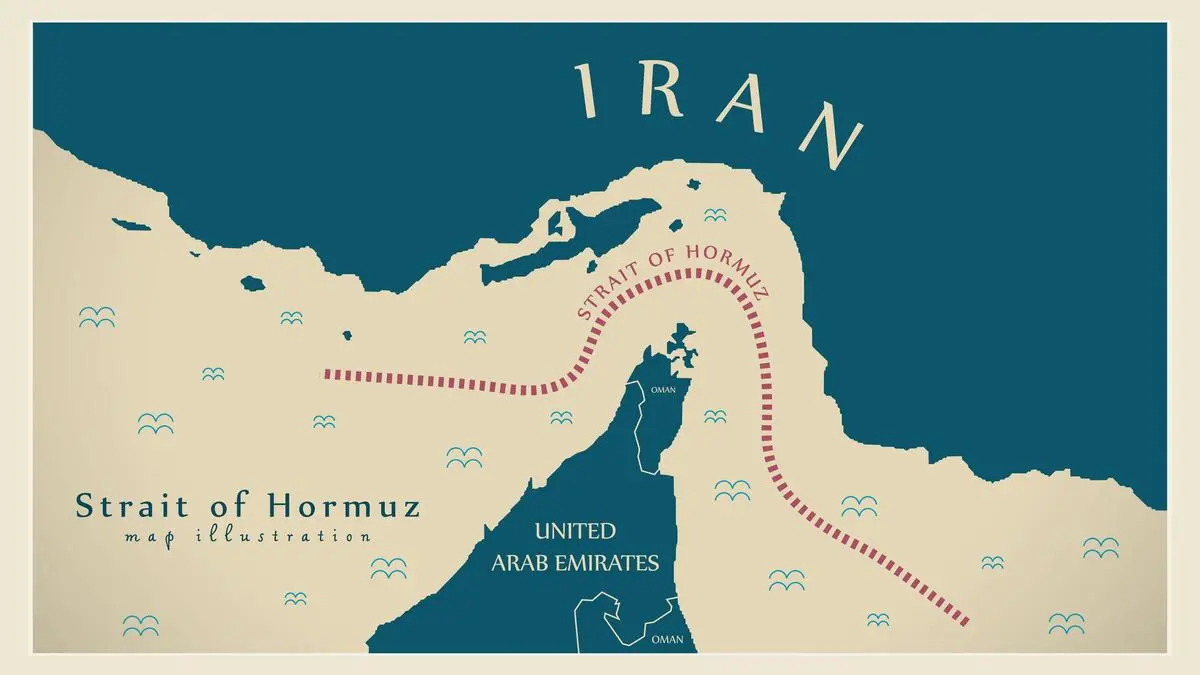
Geopolitical instability in the Middle East continues to exert pressure on global energy flows, particularly for refined products traveling through key maritime chokepoints. The EU response acknowledges that the current conflict creates significant uncertainty regarding the timing and volume of fuel imports. By establishing a unified distribution protocol, the Commission intends to mitigate the impact of sudden supply interruptions on the broader European economy. This strategy addresses the vulnerability of energy-dependent industries that rely on consistent, high-volume deliveries of jet fuel to maintain daily operations.
AlphaScala Data and Market Context
Market participants are currently evaluating the implications of these measures on broader energy pricing and industrial demand. Within the technology sector, companies like ON Semiconductor Corporation (Alpha Score 45/100) and Unity Software Inc. (Alpha Score 41/100) maintain mixed outlooks as they navigate supply chain complexities. Meanwhile, Agilent Technologies, Inc. (Alpha Score 55/100) continues to operate within the healthcare sector under moderate conditions. These scores reflect the current volatility across various industries as they adjust to shifting macroeconomic conditions and supply-side constraints.
For those monitoring broader trends, further commodities analysis provides additional context on how regional policy shifts impact global trade. The effectiveness of the AccelerateEU framework will be tested by the upcoming winter season, which historically increases demand for heating fuels and complicates logistics for refined products. The next concrete marker for this policy will be the formal adoption of the distribution mandates by the European Council, which will determine the extent of state cooperation and the specific mechanisms for cross-border fuel sharing.