Commodities● Neutral
Darwin Port Fish Die-Off Triggers Urgent Regulatory Scrutiny
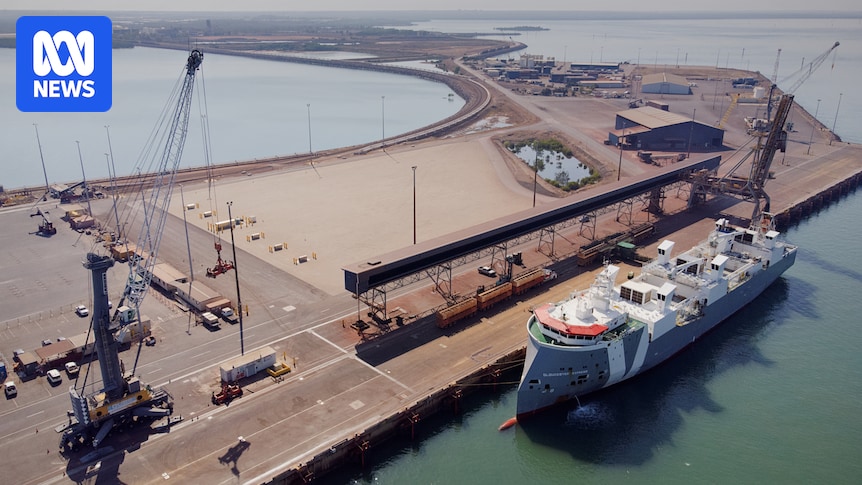
Acidic run-off from iron ore stockpiles killed over 1,000 fish, forcing a review of containment infrastructure that could hike future compliance costs.
Continue with
Ecological Impact and Operational Fallout
A significant environmental incident at the Port of Darwin has resulted in the loss of more than 1,000 small fish, raising urgent questions regarding industrial containment protocols and the environmental oversight of mineral exports. The mass mortality event was traced back to acidic run-off originating from an iron ore stockpile, which subsequently breached standard containment measures following a period of intense rainfall.
Local authorities confirmed that the heavy precipitation overwhelmed existing drainage systems, allowing the acidic leachate to migrate from the ore storage area into a containment pond. The subsequent chemical shift in the water column proved fatal for the local aquatic population, highlighting the vulnerability of the port’s infrastructure to extreme weather events—a growing concern for industrial operators in Northern Australia.
The Anatomy of the Failure
For industrial stakeholders, this incident serves as a stark reminder of the intersection between climate volatility and ESG (Environmental, Social, and Governance) compliance. Iron ore, while a staple of the Australian export economy, requires stringent moisture and drainage management to prevent chemical leaching. The breach at Darwin Port suggests that current containment infrastructure may be under-calibrated for the intensity of tropical storm cycles increasingly seen in the region.
While the direct financial impact of the cleanup and potential regulatory fines remains in the early stages of assessment, the broader implications for the port’s operator and associated mining entities are significant. Environmental regulators are expected to initiate a comprehensive review of the facility’s stormwater management plans, which could lead to mandatory capital expenditure on improved drainage and filtration systems.