Commodities● Neutral
Strait of Hormuz Disruptions Drive 50% Surge in LPG Prices
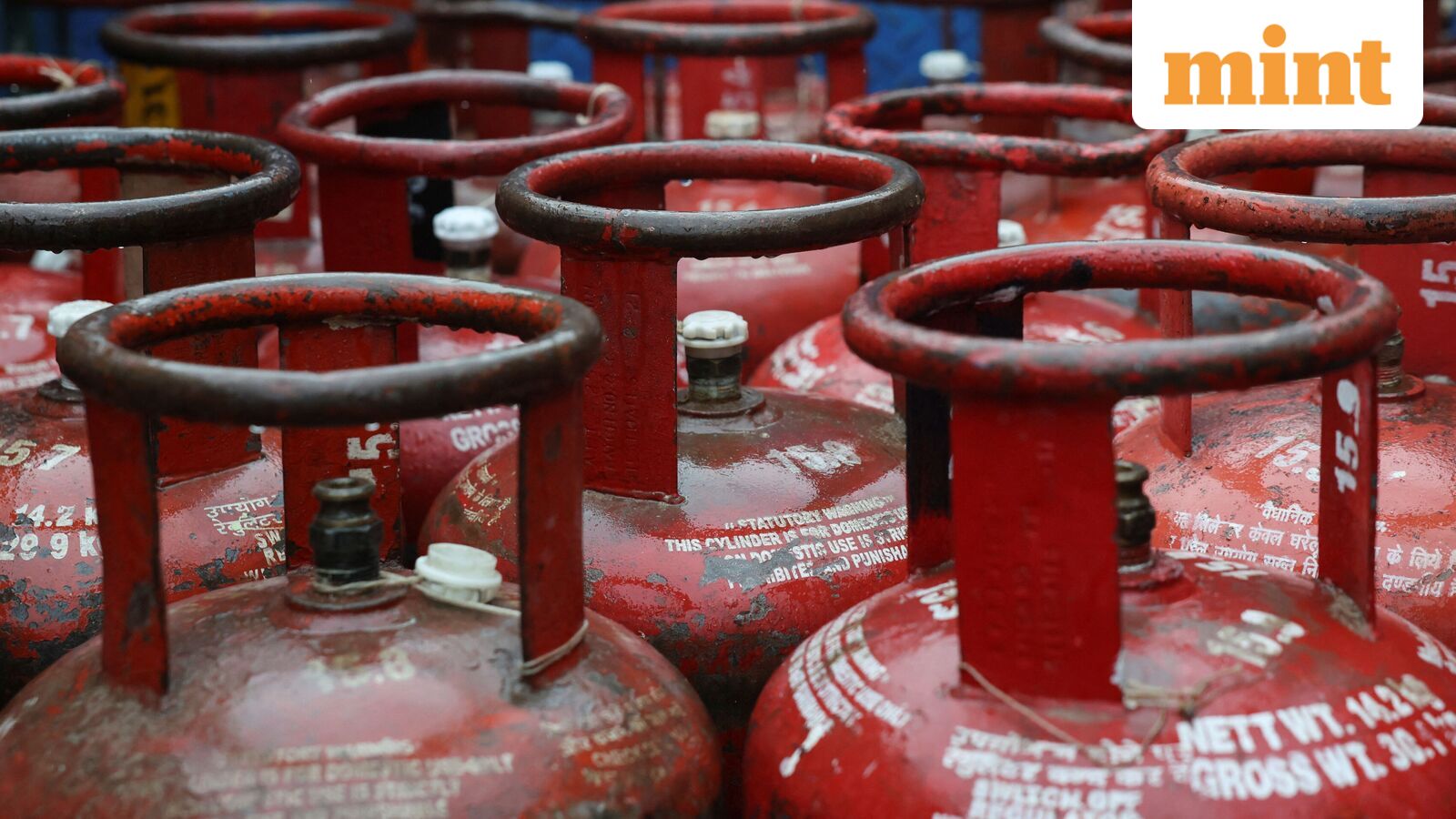
Global supply bottlenecks are forcing energy providers to pass surging costs to consumers. Monitor maritime security reports for potential price stability.
Continue with
Escalating Geopolitical Tensions Drive LPG Price Hikes
Energy markets are grappling with a sharp upward trajectory in Liquefied Petroleum Gas (LPG) pricing as of April 12, as domestic and commercial consumers alike face the immediate financial impact of global supply chain volatility. The catalyst for this sudden price adjustment is a significant upheaval in international oil markets, where prices have soared by as much as 50% following critical logistical disruptions in the Strait of Hormuz.
As one of the world’s most vital maritime chokepoints, the Strait of Hormuz facilitates the transit of a substantial portion of global oil and gas exports. The current impasse—characterized by heightened geopolitical friction—has created a supply bottleneck that is forcing energy providers to pass the increased procurement costs onto the end consumer. For households and businesses across major metropolitan centers, including Delhi, Mumbai, Bengaluru, and Kolkata, the result is a marked increase in the cost of both domestic and commercial cylinders.
Understanding the Ripple Effect
For traders and market analysts, the correlation between the Strait of Hormuz and local LPG rates underscores the fragility of global energy corridors. When transit through this narrow passage is compromised, the immediate reaction in the futures market is a risk premium spike. Because LPG is a derivative of natural gas and crude oil refining, its price is intrinsically linked to the benchmark volatility of global energy commodities.
Historical precedents suggest that when maritime volatility persists, domestic energy prices rarely remain insulated. The 50% surge in oil prices acting as the primary driver for today’s LPG adjustment highlights how quickly upstream geopolitical events can erode the margins of commercial enterprises and pinch the disposable income of retail consumers. Businesses that rely heavily on commercial gas—particularly in the hospitality and manufacturing sectors—are now facing an immediate need to re-evaluate their operational expenditure budgets to accommodate these elevated input costs.