Commodities● Neutral
Saudi Infrastructure Attacks Force Global Energy Supply Reassessment
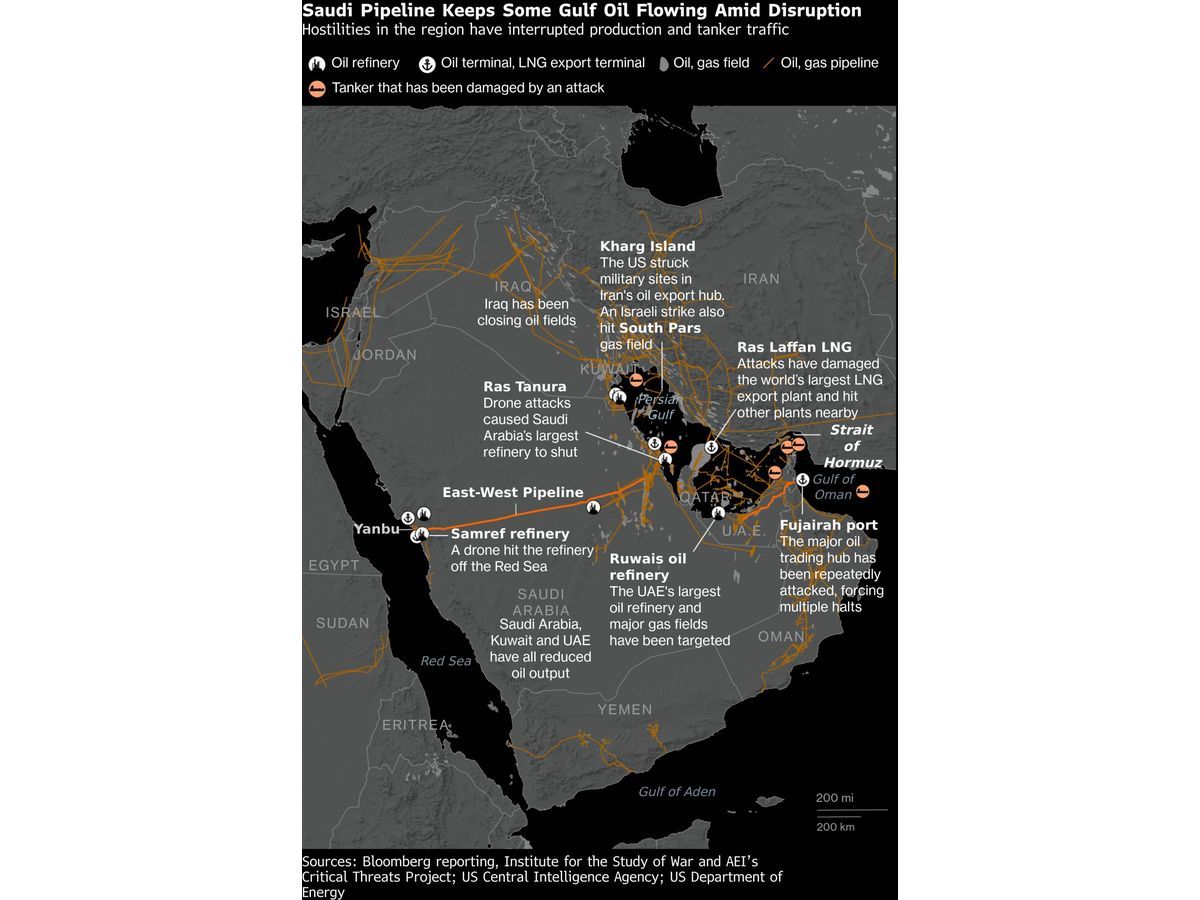
Disruptions to crude and gas output threaten to remove a critical global safety valve. Watch for OPEC+ production quota shifts to gauge future price risk.
Continue with
Escalating Geopolitical Risk in the Energy Corridor
Global energy markets are grappling with a renewed layer of uncertainty following a series of coordinated attacks on critical Saudi Arabian energy infrastructure. The strikes have caused tangible disruptions to both oil and gas production, forcing a reassessment of supply chain vulnerabilities in a market already strained by tight margins and geopolitical volatility.
Saudi authorities confirmed that these hostile actions have hampered production capacities and curtailed export capabilities. For traders and institutional investors, the development serves as a stark reminder of the fragile equilibrium currently governing global energy logistics. The disruption is particularly sensitive given the Kingdom’s role as the world’s leading exporter of crude and a pivotal swing producer within the OPEC+ alliance.
Quantifying the Disruption
While the full scope of the damage remains under assessment, the immediate impact on output and export volumes has sent ripples through commodity desks globally. The disruption of supply from Saudi facilities limits the flow of crude to international markets, exerting upward pressure on benchmark prices.
Market analysts are scrutinizing the potential for a prolonged supply deficit. Historically, Saudi Arabia has functioned as the primary buffer against global supply shocks; any diminution of its operational capacity inherently removes a critical safety valve from the global energy market. The current situation exacerbates existing concerns regarding the resilience of energy infrastructure in the Middle East, a region that remains the heartbeat of global hydrocarbon supply.