A Ukrainian drone attack struck an oil terminal in St. Petersburg on Saturday, Russian officials said, the latest in a campaign of long-range strikes on Russia's oil infrastructure that is creating a domestic fuel crisis and heaping political pressure on the Kremlin.
Gov. Alexander Beglov said the Kirovsky district terminal on the Baltic Sea was hit. Air defenses shot down 72 drones across the city and region, he said. Ukrainian President Volodymyr Zelenskyy described the attack as part of Ukraine's "long-range sanctions" against Russia, saying forces also hit a military target on Kronstadt island.
The strikes have become almost daily. They have forced local authorities in Crimea to suspend gasoline sales to civilians. The border city of Belgorod was left without power on Saturday after overnight attacks, local media reported.
Putin has shrugged off the attacks as "not critical," but analysts say the fuel crisis is eroding his narrative that the war does not affect ordinary Russians. The attacks target revenue from oil exports that fund the war effort.
Russian oil export infrastructure is concentrated around the Baltic and Black Sea. St. Petersburg's port handles crude and product exports. A sustained campaign could disrupt loading, increase insurance costs, and tighten global diesel and fuel oil markets.
The attacks have intensified since June, when St. Petersburg's Kirovsky district was hit ahead of the St. Petersburg International Economic Forum. Ukraine has shown it can reach deep into Russian territory.
Improved air defense or a diplomatic resolution would reduce the threat. So far, Russia has not demonstrated the ability to stop the drones. Further strikes on major export terminals or pipeline nodes would amplify the supply risk. A hit on the Ust-Luga terminal or the Druzhba pipeline would have direct global price implications.
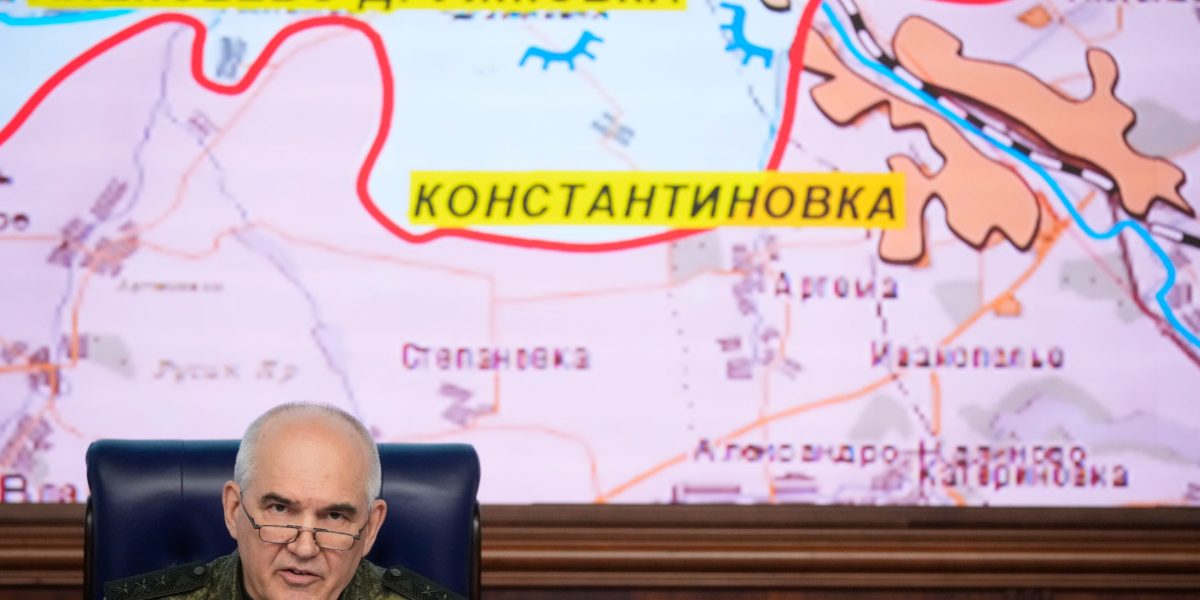
On Friday, Putin visited military headquarters and claimed capture of Kostyantynivka, a city Zelenskyy denied was under Russian control. The competing narratives underscore the stalemate on the ground even as the energy war escalates.
For traders tracking crude oil, the key question is whether Ukraine can sustain the tempo of strikes and whether Russia can protect its export infrastructure. A prolonged disruption to Baltic loadings would tighten European diesel supplies and support refining margins. The next few weeks will test both sides' capacity to escalate.