Back to Markets
Stocks● Neutral

Dr. Will’s Secures Nationwide Sainsbury’s Distribution for Core Product Line

Dr. Will’s Secures Nationwide Sainsbury’s Distribution for Core Product Line
HASONASBE

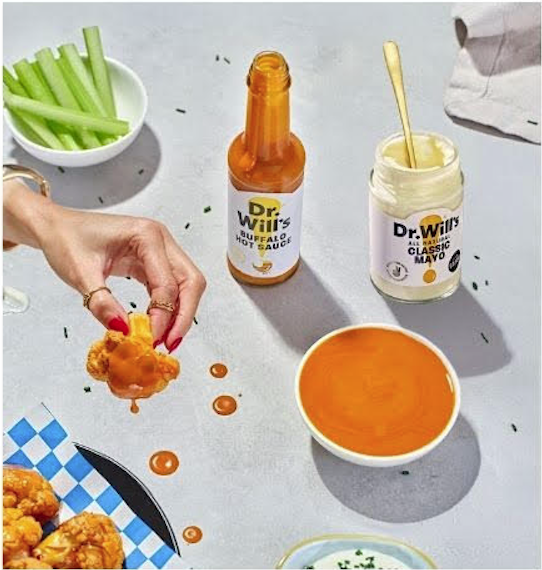
Dr. Will’s has secured its first nationwide retail listing with Sainsbury’s, marking a significant shift in its distribution strategy for its Classic Mayo product.

AlphaScala Research Snapshot
Live stock context for companies directly referenced in this story
Consumer Cyclical

HASBRO, INC. currently screens as unscored on AlphaScala's scoring model.

Alpha Score
45
Weak

Alpha Score of 45 reflects weak overall profile with strong momentum, poor value, poor quality, weak sentiment.

Consumer Cyclical
Alpha Score
47
Weak

Alpha Score of 47 reflects weak overall profile with moderate momentum, poor value, moderate quality. Based on 3 of 4 signals — score is capped at 90 until remaining data ingests.

Industrials
Alpha Score
46
Weak

Alpha Score of 46 reflects weak overall profile with strong momentum, poor value, poor quality, moderate sentiment.

This panel uses AlphaScala-native stock data, separate from the source wire linked above.

Dr. Will’s has secured its first major bricks-and-mortar retail partnership, confirming that its Classic Mayo will be available across Sainsbury’s locations nationwide. This move marks a transition for the brand from its existing digital and niche retail presence into the high-volume environment of national supermarket chains. The expansion represents a shift in the company’s distribution strategy as it seeks to capture broader consumer demand within the condiment category.

Scaling Distribution and Retail Presence

The entry into Sainsbury’s provides Dr. Will’s with immediate access to a national footprint, bypassing the incremental growth typically associated with regional store rollouts. By placing its flagship Classic Mayo on shelves across the country, the company is testing its ability to compete against established legacy condiment brands that dominate shelf space. This transition requires a significant increase in supply chain reliability and production capacity to meet the inventory requirements of a major grocery retailer.

For emerging food brands, the move from direct-to-consumer models to national supermarket listings is often the most significant hurdle in scaling operations. The ability to maintain consistent product availability while managing the logistics of large-scale retail distribution will determine the long-term viability of this partnership. Success in this channel often validates a brand’s value proposition to a wider demographic that does not rely on online ordering for pantry staples.

Competitive Positioning in the Condiment Sector

The condiment market remains highly consolidated, with large multinational corporations maintaining significant pricing power and shelf dominance. Dr. Will’s entry into this space forces a direct comparison with products that have benefited from decades of brand loyalty and lower price points. The brand must now prove that its specific product attributes can justify the shelf space allocated by Sainsbury’s, particularly as retailers increasingly optimize their inventory for high-turnover items.

This development serves as a case study for how smaller, independent food companies attempt to disrupt traditional grocery categories. The sector is currently seeing a push toward premiumization, where consumers are willing to pay a premium for products perceived as having cleaner ingredient profiles or superior sourcing. If the Classic Mayo achieves strong sell-through rates, it may provide the necessary data for the brand to negotiate further shelf space for additional product lines.

Monitoring Sales Velocity and Shelf Retention

The next critical marker for Dr. Will’s will be the performance data gathered during the initial months of the nationwide rollout. Retailers typically evaluate the success of new listings based on sales velocity and the ability of the product to drive foot traffic or complement other basket items. If the brand fails to meet the expected turnover rates, it risks being delisted in favor of higher-performing alternatives during the next category review cycle.

Investors and industry observers should monitor the company’s ability to sustain this distribution level without compromising its margins. The cost of entry into national retail often involves significant promotional spending and slotting fees, which can pressure short-term profitability. Future updates regarding the expansion of the product range within Sainsbury’s or the announcement of additional retail partners will provide a clearer picture of the company’s growth trajectory and its long-term competitive standing in the retail landscape. For broader context on how emerging companies navigate these transitions, see Legal Challenges and Corporate Governance Risks in Property Development.

How this story was producedLast reviewed Apr 27, 2026

AI-drafted from named sources and checked against AlphaScala publishing rules before release. Direct quotes must match source text, low-information tables are removed, and thinner or higher-risk stories can be held for manual review.

Editorial Policy·Report a correction·Risk Disclaimer