Commodities● Neutral
Indian Fuel Prices Defy Global Crude Volatility as of April 11
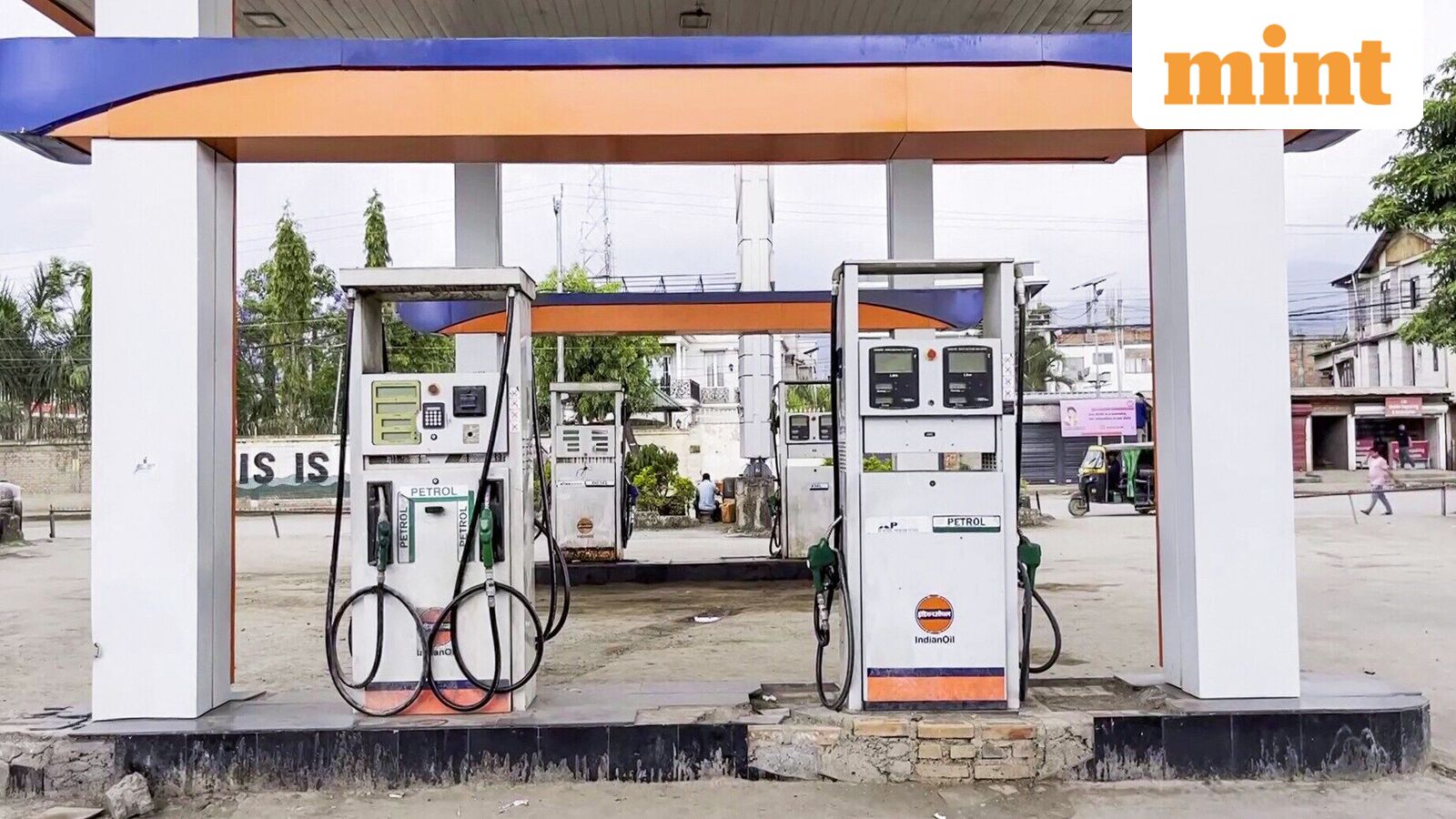
Retailers in Delhi, Mumbai, and Bengaluru maintain stagnant pump prices despite rising global crude. Watch for margin pressure in upcoming earnings reports.
Continue with
Stagnant Pump Prices Defy Global Energy Trends
Despite a palpable firming in global crude oil prices, domestic fuel retailers in India have maintained retail selling prices for petrol and diesel across major metropolitan hubs as of April 11. Consumers and traders monitoring the energy complex in Delhi, Mumbai, Chennai, Kolkata, and Bengaluru saw no adjustments at the pump, signaling a continued period of price stability that contrasts sharply with the underlying volatility in international energy markets.
For traders and market participants, this divergence between benchmark crude prices—which have been trending upward due to geopolitical tensions and supply-side constraints—and domestic retail pricing highlights the ongoing influence of state-controlled pricing mechanisms. While global oil benchmarks like Brent and WTI fluctuate based on OPEC+ production quotas and macroeconomic demand signals, the domestic retail market remains insulated by the strategic pricing policies of Oil Marketing Companies (OMCs).
The Disconnect Between Global Benchmarks and Retail Reality
Historically, retail prices in India were linked to a 15-day rolling average of international crude prices. However, in the current market environment, Indian OMCs have largely decoupled from daily global price movements. This policy of price stabilization is designed to buffer the domestic economy from the inflationary shocks often associated with energy price spikes.
Energy analysts note that while the rise in global crude oil prices typically exerts upward pressure on the landed cost of imports, the status quo at the pump suggests that OMCs are currently absorbing the margin volatility. For investors in the energy sector, this implies a narrow window for profit margins on the marketing side, as retailers prioritize price stability over immediate recovery of input costs.