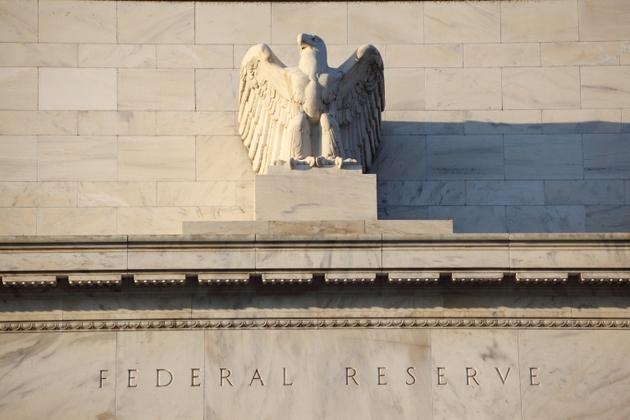
DOJ Closes Powell Probe as Oversight Shifts to Internal Watchdog

The Department of Justice has closed its criminal probe into Fed Chair Jerome Powell, shifting oversight of renovation cost overruns to the Federal Reserve's internal watchdog.
Alpha Score of 47 reflects weak overall profile with moderate momentum, poor value, moderate quality. Based on 3 of 4 signals — score is capped at 90 until remaining data ingests.
Alpha Score of 59 reflects moderate overall profile with moderate momentum, moderate value, moderate quality, moderate sentiment.
HASBRO, INC. currently screens as unscored on AlphaScala's scoring model.
Alpha Score of 51 reflects moderate overall profile with poor momentum, strong value, strong quality, weak sentiment.
The Department of Justice has concluded its criminal investigation into Federal Reserve Chair Jerome Powell regarding the management of renovation cost overruns and associated testimony. The matter now transitions to the Federal Reserve Office of Inspector General, which will assume responsibility for the ongoing review of these administrative and financial discrepancies. This shift effectively removes the immediate threat of criminal litigation, refocusing the inquiry on internal compliance and institutional governance.
Institutional Stability and Policy Continuity
The closure of the criminal probe provides a degree of clarity for the Federal Reserve as it navigates a complex macroeconomic environment. Markets generally favor institutional continuity, particularly when the central bank is tasked with balancing persistent inflationary pressures against the need for labor market stability. By moving the inquiry into the hands of the internal watchdog, the Federal Reserve avoids the volatility typically associated with high-level criminal investigations involving monetary policy leadership.
This development allows the Federal Open Market Committee to maintain its focus on the current interest rate cycle without the distraction of external legal proceedings. The transition to an internal review process suggests that the scope of the inquiry will likely remain confined to procedural oversight and budgetary accountability. For investors, this reduces the risk of a leadership vacuum or a forced transition during a period where the market analysis remains sensitive to any signals regarding the path of monetary policy.
Transmission to Financial Markets
The immediate reaction across asset classes has been muted, as the market had largely priced in the low probability of a criminal outcome. The shift to an internal review serves as a technical resolution that stabilizes the institutional outlook. Bond yields and equity indices have continued to trade based on broader economic data rather than the administrative status of the Fed Chair. The lack of criminal exposure ensures that the Federal Reserve can continue its communication strategy without the legal constraints that would have accompanied a Department of Justice inquiry.
AlphaScala data reflects the current sentiment across various sectors, with COST stock page holding an Alpha Score of 59/100, AS stock page at 47/100, and U stock page at 40/100. These scores highlight the varying levels of stability across consumer and technology sectors as the broader market digests institutional updates.
Next Steps for Oversight
The focus now shifts to the findings of the Office of Inspector General. While the criminal threat has been neutralized, the internal report will likely address the specific failures in oversight that led to the renovation cost overruns. Any recommendations for structural changes within the Federal Reserve or adjustments to internal reporting protocols will be the next concrete marker. The market will monitor whether these findings necessitate any changes to the Federal Reserve's internal governance framework or if they remain isolated to the specific project in question. The resolution of this matter allows the focus to return entirely to the upcoming policy meetings and the interpretation of incoming employment and inflation data.
AI-drafted from named sources and checked against AlphaScala publishing rules before release. Direct quotes must match source text, low-information tables are removed, and thinner or higher-risk stories can be held for manual review.